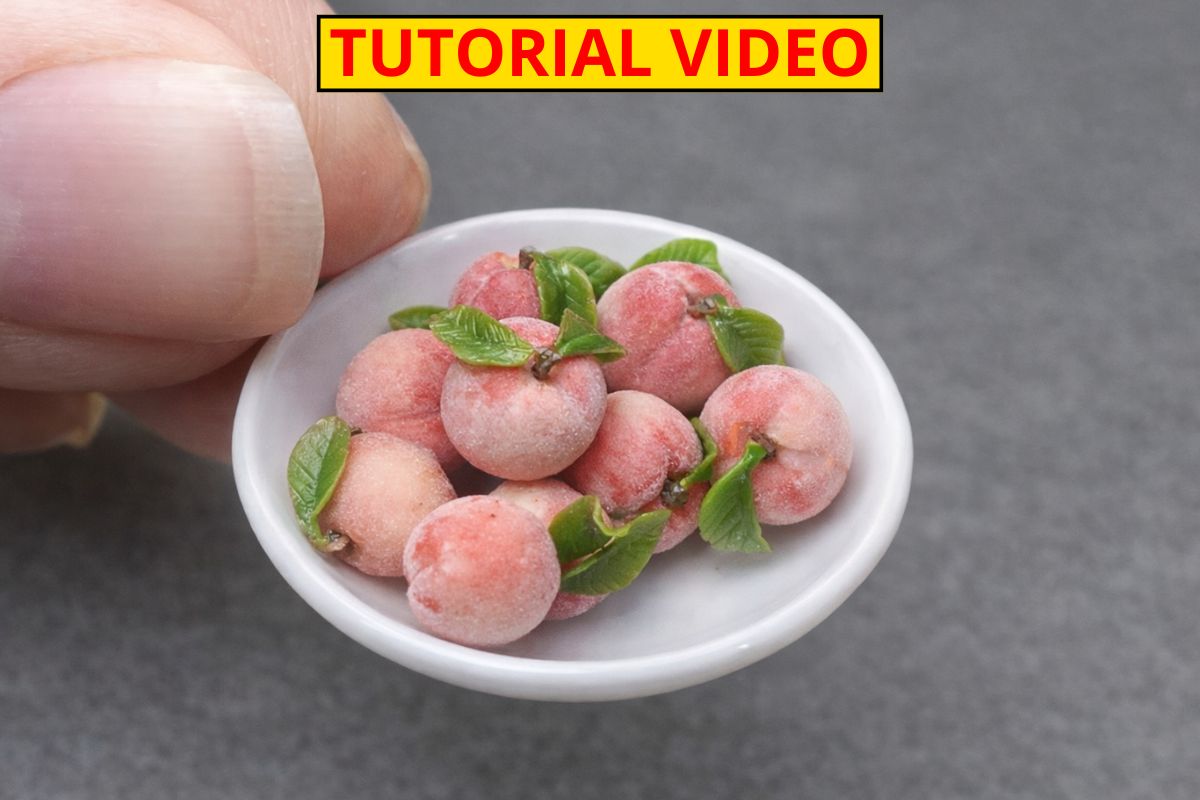
Polymer clay has become one of the most popular materials in the world of miniature crafting, especially for artists who specialize in realistic food replicas. Its flexibility, durability, and ease of shaping make it an ideal medium for creating tiny, lifelike fruits such as miniature peaches.
| Product | Buy |
|---|---|
| Air Dry Clay |

|
| Clay Tools |
|
| Clay Shaper Tool |
|
| Magnets |
|
| Jewellery Materials |
|
| Acrylic Colours |
|
| Paint Brushes |
|
Whether used by beginners or professional miniature makers, polymer clay offers unmatched control and detail, allowing artists to produce peaches that look almost good enough to eat.
Why Polymer Clay Is Perfect for Miniature Fruit
One of the main reasons polymer clay is favored in miniature food art is its workability. Unlike air-dry clay, polymer clay remains soft and pliable until it is baked. This gives artists plenty of time to sculpt the perfect peach shape, refine surface textures, and adjust proportions.
For miniature peaches, this is especially important because the fruit’s natural form includes subtle curves, a gentle seam line, and a slightly uneven organic shape. Polymer clay allows makers to capture these delicate details with precision.
Color Blending for Realistic Peach Tones
Color control is another major advantage. Polymer clay comes in a wide range of colors that can be blended easily to achieve realistic peach tones. Artists typically mix soft yellows, warm oranges, and touches of blush pink to mimic the natural gradient of a ripe peach.
This ability to custom-blend colors directly into the clay means the finished miniature maintains its realism even if the surface gets lightly scratched. Many miniature artists also enhance the surface with soft pastels or chalk powders to create the fuzzy, sun-kissed effect peaches are known for.
Creating Authentic Surface Texture
Texture plays a crucial role in making miniature peaches believable, and polymer clay excels in this area. The material responds well to gentle stippling, brushing, or sponge techniques that replicate the fine skin texture of real fruit.
After shaping, artists often add the characteristic peach seam and a slight indentation at the top where the stem would be. These small details dramatically improve realism and help the miniature stand out in dollhouse kitchens or food displays.
Durability and Long-Term Display
Another important benefit of polymer clay is its durability after baking. Once cured properly, miniature peaches become lightweight yet sturdy, resistant to minor impacts and handling.
This makes them perfect for permanent dollhouse scenes, jewelry pieces, or collectible miniature food sets. Unlike some other materials, polymer clay miniatures maintain their color and shape over time without cracking or shrinking significantly.
Tips for Better Miniature Peach Results
To achieve professional-looking miniature peaches, artists should work at the correct scale, usually 1:12 for dollhouse miniatures. Using reference photos of real peaches helps in capturing natural imperfections.
Gentle color layering, subtle texturing, and proper baking temperature are key factors for success. A light matte or satin varnish can also be applied after baking to enhance the realistic fruit finish without making the peach look artificially glossy.
I found this miniature artist who appears highly skilled, and their video is full of useful ideas you can learn from.
Conclusion
Polymer clay plays a vital role in the creation of realistic miniature peaches thanks to its flexibility, color versatility, and excellent texturing capabilities. For miniature artists and hobbyists alike, it remains one of the most reliable and rewarding materials for crafting lifelike fruit.
With careful sculpting, thoughtful color blending, and attention to tiny details, polymer clay can transform a simple piece of material into a beautifully convincing miniature peach that enhances any dollhouse or mini food collection.