Creating lifelike dollhouse scenes is an art that combines craftsmanship, observation, and storytelling. While basic miniature furniture and structures form the foundation, it is the small details that truly bring a scene to life.
Realism in miniatures is not about perfection but about creating the illusion of reality at a reduced scale. This article explores practical techniques and creative approaches to adding realistic details that transform miniatures into believable, immersive dollhouse scenes.
I rely on a set of trusted tools that help achieve professional-looking results in miniature woodworking:
- Sandpaper – to smooth edges and prepare surfaces.
- Transparent brown stain – to bring out the natural beauty of the wood grain.
- Wood oil – to protect and enhance the finish.
- Jeweler’s saw – for delicate and precise cuts.
- Small table saw – to speed up straight cuts.
- 12V mini sander – for quick, clean smoothing.
The Role of Realism in Miniature Worlds
Realism is what makes viewers pause and look twice. A well-detailed miniature scene can evoke emotions, memories, and curiosity. Realistic miniatures often tell a story—a lived-in kitchen, a cozy bedroom, or a forgotten workshop. Achieving realism requires attention to scale, texture, color, and composition. Every element should feel intentional and harmonious within the miniature environment.
Understanding Scale and Proportion
Scale accuracy is the foundation of realistic miniatures. Common dollhouse scales include 1:12, 1:24, and 1:48, and each requires careful measurement. A realistic scene quickly loses credibility if accessories or furniture are out of proportion.
Comparing miniature items to real-life references helps maintain consistency. Using rulers, templates, or scaled drawings ensures that all elements align correctly within the chosen scale.
Creating Realistic Surface Textures
Textures play a crucial role in making miniatures look real. Smooth, perfect surfaces rarely exist in real life. Wood should show subtle grain, stone should appear uneven, and fabrics should have visible weave patterns. Many artists use everyday materials such as sand, baking soda, or tissue paper to simulate natural textures. Adding small imperfections—chips, dents, or uneven edges—enhances authenticity and prevents a toy-like appearance.
Painting Techniques That Add Depth
Painting is one of the most powerful tools for adding realism. Flat, single-color surfaces often look artificial. Instead, professional miniature artists build color in layers. Base colors are enhanced with washes to create shadows and dry brushing to highlight raised areas. Slight color variations mimic natural aging and use. Muted tones often look more realistic than bright colors, especially for interiors and furniture.
Adding Small Functional Details
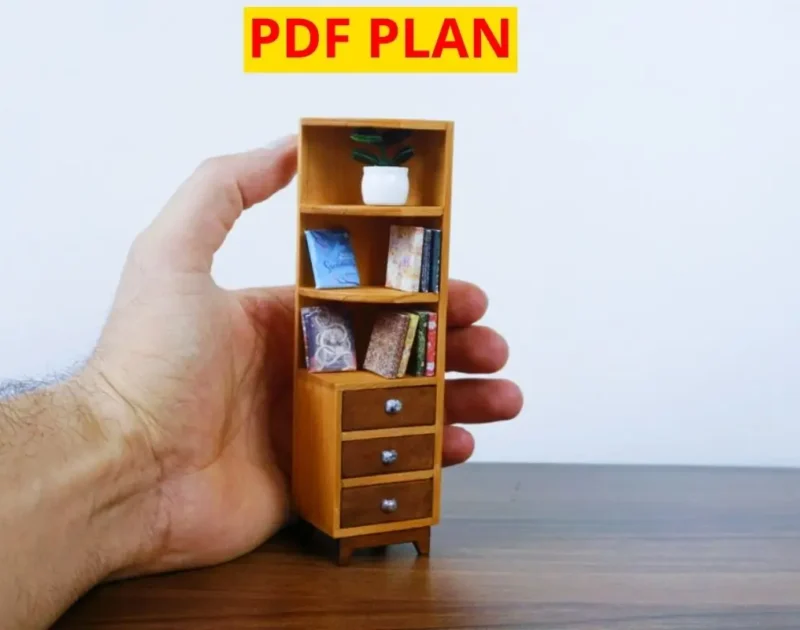
Functional details greatly increase realism. Tiny hinges, drawer knobs, door handles, and trims give furniture a believable structure. Even when parts are not fully functional, suggesting functionality through design adds authenticity. Miniature accessories such as folded towels, open books, or partially used items make scenes feel lived in rather than staged.
Weathering and Aging Effects
A brand-new appearance is rarely realistic unless the scene demands it. Weathering techniques simulate time, use, and environment. Light sanding on edges can represent wear, while dark washes in corners create depth and shadow. Dust effects, water stains, and faded paint add character. These techniques are especially effective for vintage, rustic, or abandoned dollhouse scenes.
The Importance of Lighting
Lighting is often overlooked but has a dramatic impact on realism. Natural light creates soft shadows, while miniature LED lighting adds warmth and depth. Warm lighting works well for living spaces, while cooler tones suit workshops or modern interiors. Lighting should highlight focal points without overpowering the scene. Proper placement ensures that details are visible and the atmosphere feels natural.
Scene Composition and Furnishing
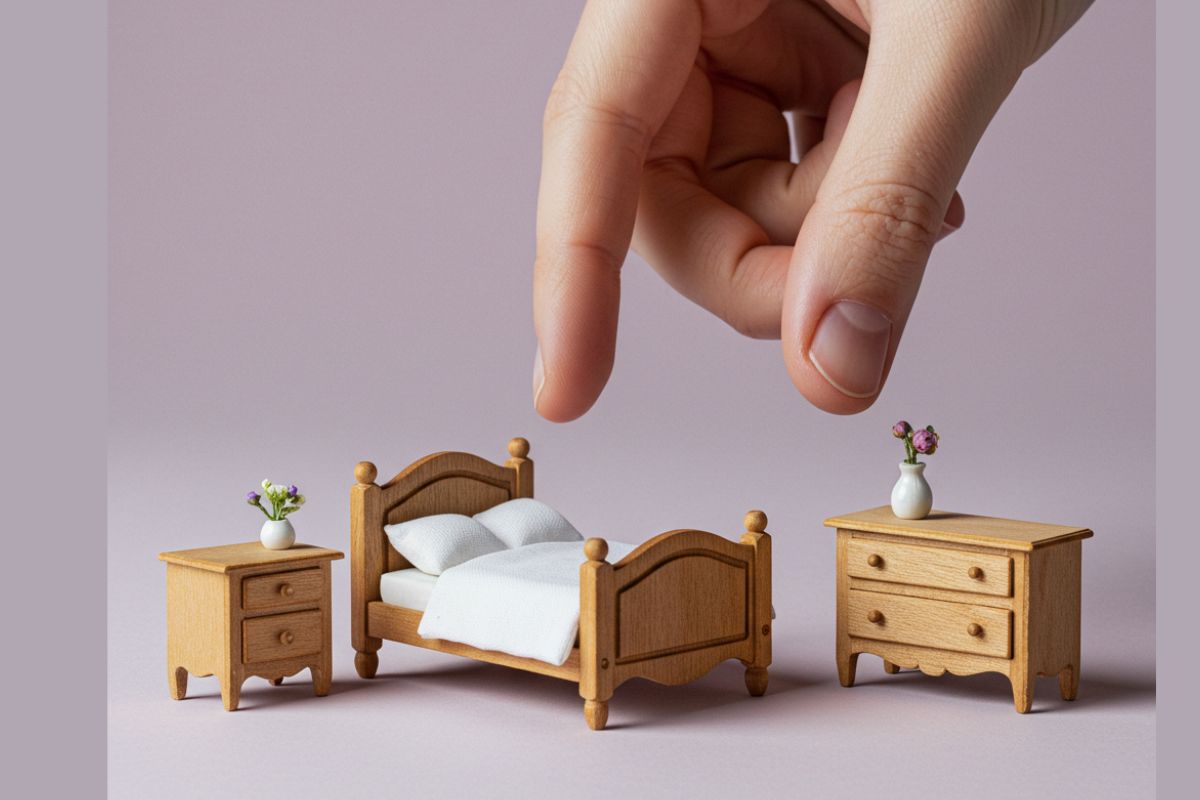
Realistic dollhouse scenes require thoughtful composition. Overcrowding a space with furniture and accessories can make it feel cluttered and unnatural. Instead, focus on balance and visual flow. Leave empty spaces where appropriate, just as in real interiors. Each room should have a clear purpose and a focal point, whether it is a dining table, a bed, or a workbench.
Backgrounds and Wall Details
Walls and floors play a major role in setting the scene. Wallpapers, paneling, and painted walls add depth and context. Simple details like baseboards, picture frames, and wall art enhance realism. Flooring should match the room’s style, whether it is wood, tile, or carpet. Layering these elements creates a richer and more immersive environment.
Choosing Scale-Appropriate Accessories
Accessories bring personality to a miniature scene, but scale accuracy remains essential. Plants, books, food items, and textiles should all match the chosen scale. Handmade accessories often blend better with custom furniture, while ready-made items save time. Thoughtful placement of accessories—slightly off-center or casually arranged—makes the scene feel natural and spontaneous.
Photography and Presentation
Once a miniature scene is complete, proper photography helps showcase its realism. Shooting from eye-level angles enhances the illusion of scale. Using a shallow depth of field can make miniatures appear life-sized. Natural light or soft artificial lighting reduces harsh shadows. Presentation is the final step in convincing viewers that the miniature world is real.
Common Mistakes to Avoid
One common mistake is over-detailing. Too many details can overwhelm the scene and distract from the main story. Inconsistent styles or color palettes can break realism. Ignoring scale accuracy, especially with accessories, quickly reveals the miniature nature of the scene. Being selective and intentional is key to achieving balance.
Tips for Beginners and Advanced Creators
For beginners, starting small and practicing individual techniques builds confidence. Observing real spaces and studying how objects interact improves realism. Advanced creators can push boundaries by experimenting with mixed materials and storytelling elements. Developing a personal style helps distinguish your work while maintaining realistic principles.
Conclusion: Bringing Miniature Worlds to Life
Adding realistic details to miniatures is a process that rewards patience and creativity. By focusing on scale, texture, color, and composition, miniature artists can create lifelike dollhouse scenes that feel authentic and engaging. It is the subtle details—the worn edge of a table, the soft glow of light, the casual placement of an object—that transform miniatures into believable worlds. With practice and attention to detail, any miniature scene can come alive.