Managing household expenses can feel overwhelming, especially as the cost of living continues to rise. From groceries and utilities to maintenance and daily essentials, small expenses quickly add up.
The good news is that saving money at home doesn’t always require drastic lifestyle changes. With thoughtful planning and a few smart habits, you can reduce spending while still maintaining comfort and quality of life.
Here are seven practical and effective ways to save money on household expenses.
1. Track Your Spending and Create a Realistic Budget
The first step to saving money is understanding where your money goes. Many households lose money simply because they don’t track their expenses.
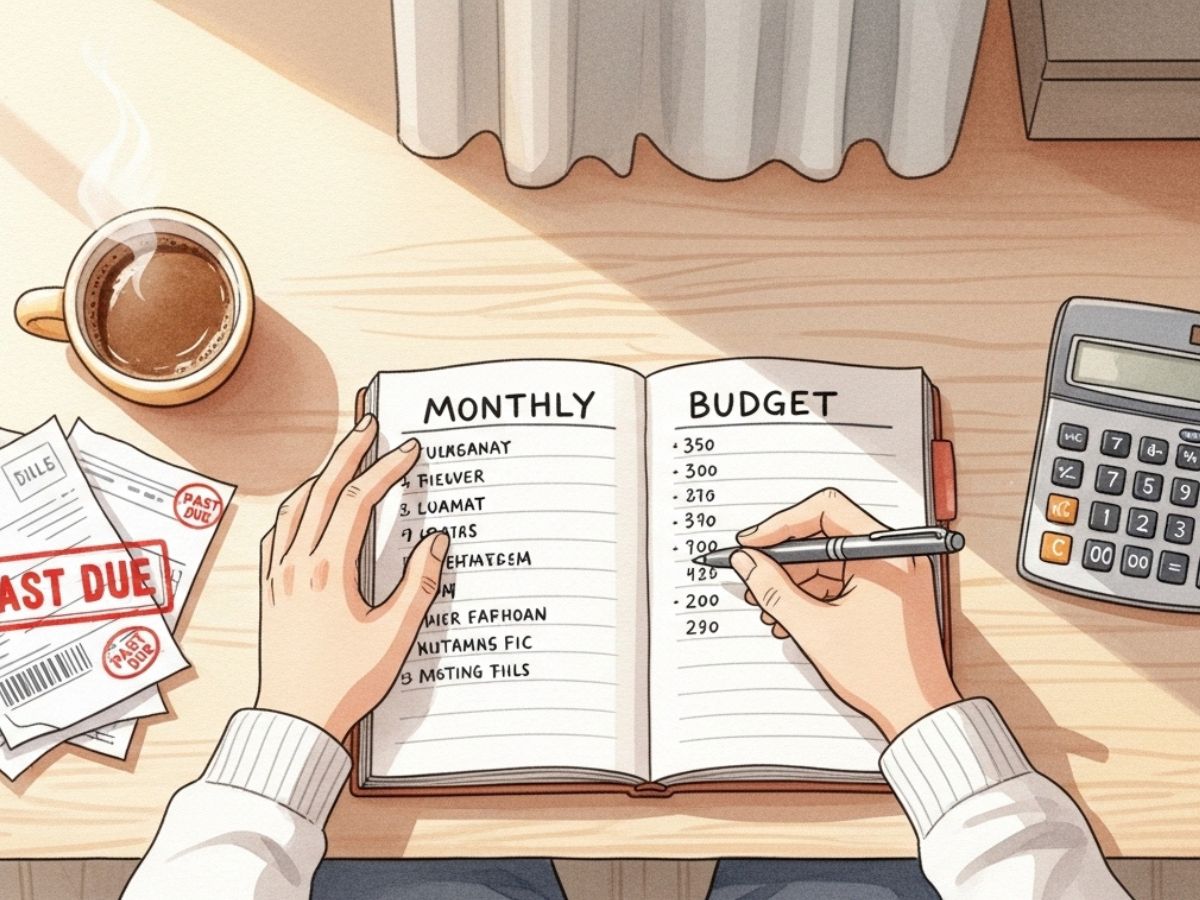
Start by writing down everything you spend for one month — groceries, electricity, internet, cleaning products, and even small purchases. Once you see the full picture, categorize your spending into needs and wants. From there, build a realistic monthly budget that covers essentials while setting limits for non-essential spending.
A budget isn’t about restriction; it’s about control. When you assign your money a purpose, you naturally become more mindful of unnecessary expenses.
2. Reduce Energy Consumption at Home
Utility bills are one of the largest recurring household costs, but they’re also one of the easiest areas to optimize.
Simple habits can make a big difference:
- Turn off lights when leaving a room
- Unplug devices not in use
- Use energy-efficient LED bulbs
- Wash clothes in cold water
- Air-dry laundry when possible
If your budget allows, consider investing in energy-efficient appliances. While the upfront cost may seem high, the long-term savings on electricity and water bills can be significant.
Even adjusting your thermostat by just a few degrees in winter or summer can noticeably reduce your energy expenses.
3. Plan Meals and Shop Smart for Groceries
Food expenses can quickly spiral out of control without planning. One of the smartest ways to save money is to plan your meals weekly.
Before shopping, check what you already have at home. Then create a shopping list based on planned meals. This prevents impulse buying and reduces food waste.
Other smart grocery strategies include:
- Buying seasonal fruits and vegetables
- Choosing store brands instead of premium brands
- Purchasing staples in bulk
- Cooking larger portions and freezing leftovers
Home-cooked meals are almost always cheaper and healthier than takeout. Even replacing just two restaurant meals per week with home cooking can save a substantial amount each month.
4. Adopt a “Repair Before Replace” Mindset
In today’s consumer culture, people often replace items the moment they break. But repairing instead of replacing can save a lot of money over time.
Learn basic repair skills such as fixing loose hinges, patching small holes, or repainting furniture. Many household items can be restored with simple tools and a little effort.
Clothing, furniture, and small appliances often have much longer lifespans than we assume. Extending their use reduces spending and also helps the environment by lowering waste.
This mindset shift encourages creativity and resourcefulness, turning maintenance into an investment rather than a burden.
5. Buy Quality Items That Last Longer
While it might seem contradictory to saving money, sometimes spending more upfront actually saves money in the long run.
Cheap products often wear out quickly and require frequent replacement. High-quality items, on the other hand, may cost more initially but last much longer.
This applies to:
- Kitchen tools
- Furniture
- Home maintenance equipment
- Bedding and textiles
Instead of repeatedly buying low-cost items, invest in durable products that withstand daily use. Over time, this reduces replacement costs and often provides better performance and comfort.
Think of it as buying once instead of buying five times.
6. Declutter and Sell What You Don’t Use
Many homes contain unused items that quietly hold value. Decluttering not only creates a more organized living space but can also generate extra income.
Look for items you no longer use:
- Old electronics
- Unused furniture
- Extra kitchen tools
- Clothes in good condition
You can sell these through online marketplaces or local community groups. The money earned can go toward household needs or savings.
Additionally, decluttering helps you become more conscious about future purchases, reducing the likelihood of buying unnecessary items again.
7. Build Smart Daily Habits That Reduce Waste
Saving money often comes down to small daily habits. These may seem minor individually, but together they create meaningful savings.
Examples include:
- Using reusable cleaning cloths instead of disposable wipes
- Refilling water bottles instead of buying packaged drinks
- Making coffee at home instead of buying it daily
- Using leftovers creatively instead of throwing them away
Another powerful habit is delaying purchases. When you feel the urge to buy something non-essential, wait 48 hours. Often, the desire fades, and you avoid spending money on something you don’t truly need.
These mindful habits help you develop a long-term saving mindset rather than relying on short-term fixes.
Final Thoughts
Saving money on household expenses isn’t about deprivation or extreme frugality. It’s about awareness, intention, and smarter choices. By tracking spending, reducing waste, planning purchases, and investing wisely, any household can lower costs without sacrificing comfort.
Start small. Choose one or two of these strategies and implement them this week. As these habits grow, you’ll likely notice not only financial benefits but also a greater sense of control and peace of mind in your daily life.
Smart saving isn’t just about money — it’s about building a sustainable lifestyle that supports your future goals.