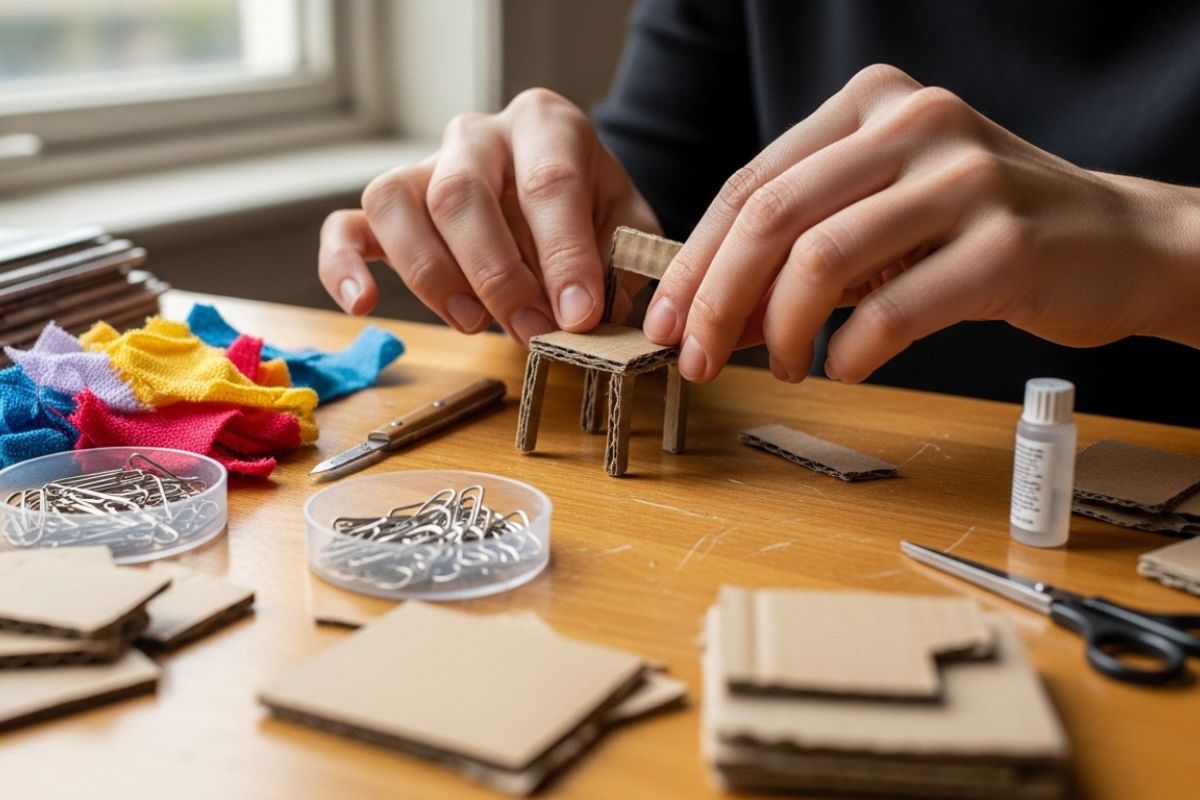
The world of miniatures and dollhouse furniture making is a fascinating blend of art, engineering, patience, and imagination. Artists in this field transform ordinary materials—wood scraps, fabric remnants, paper, metal wire—into realistic tiny worlds that capture the charm of life at a reduced scale.
| Product | Buy |
|---|---|
| Rapid Wood Glue |

|
| Needle File |
|
| Sandpaper |
|
| Transparent Brown Stain |
|
| Wood Oil |
|
| Jeweler’s Saw |
|
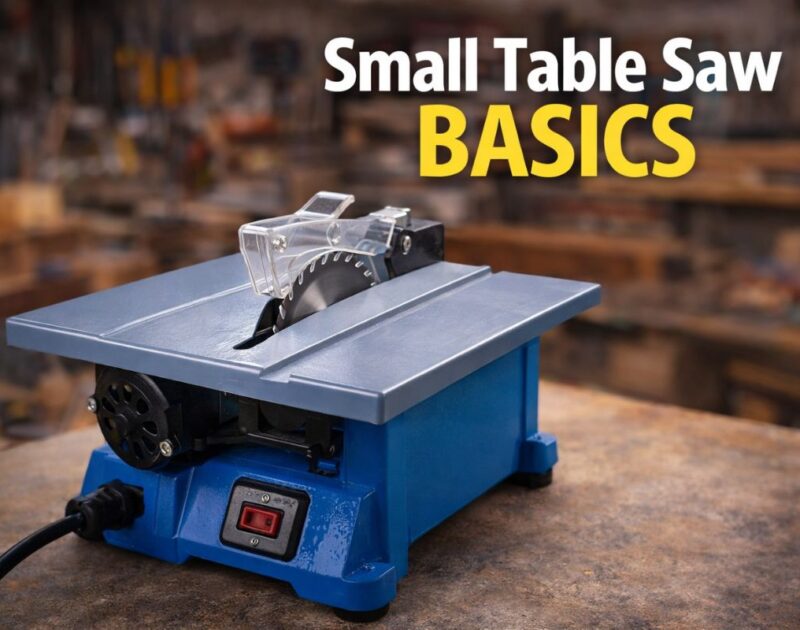
| Small Table Saw |
|
| 12V Mini Drill |
|
One of the most debated questions among beginners and experienced hobbyists alike is whether expensive tools are essential for producing high-quality miniatures. While professional equipment can improve efficiency and precision, it is not the defining factor of success. Skill, creativity, understanding of materials, and practice matter far more than the price tag of tools.
To understand this better, it helps to explore three main aspects: what expensive tools actually offer, what can be achieved with simple tools, and how craftsmanship ultimately depends on the maker rather than the equipment.
1. What Expensive Tools Provide
Professional miniature artists often use specialized tools: miniature table saws, precision sanders, rotary tools, airbrush systems, laser cutters, and micro-chisels. These tools are undeniably useful. They offer speed, consistency, and convenience.
First, precision tools allow extremely accurate cuts. In dollhouse furniture, scale matters. A difference of even one millimeter can make a cabinet door look unrealistic or a chair appear oversized. A miniature table saw or precision cutting jig can produce repeatable measurements quickly, reducing errors.
Second, expensive tools save time. For example, sanding by hand may take an hour, while a motorized sander can achieve a smoother finish in minutes. This becomes especially important for artists who sell miniatures professionally, where production speed affects income.
Third, advanced tools expand possibilities. A laser cutter can produce delicate lace-like wooden patterns impossible to cut manually. An airbrush can create smooth paint gradients that brushes struggle to achieve. Therefore, professional tools can enhance the level of detail and open creative options.
However, usefulness does not equal necessity. These advantages improve workflow but do not replace craftsmanship.
2. What Simple Tools Can Achieve
Many beginners assume they must invest heavily before starting. In reality, miniature furniture can be created with a surprisingly small set of affordable tools:
- Craft knife (precision cutter)
- Metal ruler
- Sandpaper
- Small hand saw
- Glue
- Tweezers
- Basic paint brushes
- Pins and needles
With just these, a skilled maker can produce remarkable work.
Historically, miniature artisans worked long before electric tools existed. Early dollhouses from the 18th and 19th centuries were handcrafted entirely with manual tools. The realism came from observation and patience, not machinery. Even today, some of the most admired miniatures are handmade specifically because subtle irregularities make them feel authentic.
Manual methods also teach control. Cutting wood by hand develops understanding of grain direction. Sanding manually teaches surface sensitivity. Painting tiny objects with a brush builds hand stability. When beginners skip these experiences and rely only on machines, they may struggle to fix mistakes because they lack material intuition.
Additionally, inexpensive tools encourage creativity. Without a laser cutter, artists learn to simulate carved decorations using layered paper, embossed foil, or sculpted clay. Without an airbrush, they master dry brushing, washes, and shading techniques. Limitations often lead to innovation.
3. Skill vs Equipment
The most important truth in miniature making is this: tools execute, but artists decide.
Two people can own identical professional equipment yet produce vastly different results. The difference lies in observation, scale awareness, and finishing techniques. Realism in miniatures depends less on perfect cutting and more on proportion, texture, and color harmony.
For example, a beginner using a laser cutter may create a perfectly shaped table that still looks like a toy because the paint is too thick, the wood grain is ignored, or the proportions are incorrect. Meanwhile, a skilled artisan using a knife and sandpaper can craft a slightly imperfect but convincing antique table by applying subtle aging effects, realistic varnish layers, and correct scale thickness.
Miniature realism comes from understanding reality: how wood ages, how fabric folds, how metal reflects light. No expensive machine can teach observation. Only practice can.
Moreover, expensive tools cannot prevent poor planning. Measuring mistakes, wrong glue choice, or incorrect scaling will ruin a piece regardless of equipment quality. In miniature art, thinking precedes cutting.
4. When Expensive Tools Become Helpful
Although not essential, professional tools become valuable at certain stages.
They are useful when producing multiple identical pieces, such as sets of chairs for sale. Repetition by hand can introduce inconsistencies, while machines ensure uniformity. For commercial artists, time efficiency matters.
They are also beneficial for specific materials. Hardwood, metal, or acrylic sheets are difficult to process manually at small scales. Precision machines make these materials safer and easier to handle.
Finally, advanced tools help reduce physical strain. Continuous manual sanding or cutting can cause fatigue or injury over time. For long-term professional work, ergonomics matter.
Therefore, expensive tools should be seen as upgrades rather than starting requirements. They enhance productivity, not talent.
5. The Psychological Factor
Interestingly, the belief that expensive tools are necessary can discourage beginners. Many postpone learning because they think they must first buy a workshop. This delays skill development.
In reality, starting small builds confidence. When beginners realize they can produce attractive miniatures using basic tools, they focus on improving techniques instead of collecting equipment. Over time, they naturally understand which tools they truly need rather than buying them impulsively.
This mindset prevents frustration and financial waste.
6. The True Essentials of Miniature Craftsmanship
Instead of costly tools, the true foundations of miniature furniture making are:
- Patience
- Observation
- Scale accuracy
- Material understanding
- Finishing techniques
- Practice
Patience allows slow, precise work. Observation ensures realism. Scale accuracy keeps proportions believable. Material understanding prevents breakage and warping. Finishing techniques—painting, staining, aging—create life in objects. Practice combines all these elements.
These qualities cannot be purchased.
Conclusion
Expensive tools in miniature and dollhouse furniture making are helpful but not essential. They improve efficiency, consistency, and comfort, especially for professional production. However, they do not create realism, creativity, or craftsmanship. Simple tools, when used with knowledge and care, can produce results equal to or sometimes better than those made with advanced equipment.
The quality of miniatures ultimately depends on the maker’s eye, patience, and understanding of materials. Beginners should start with basic tools, develop skills, and upgrade equipment only when their artistic needs demand it.
In miniature art, the most powerful tool is not a machine—it is the human hand guided by experience and imagination.