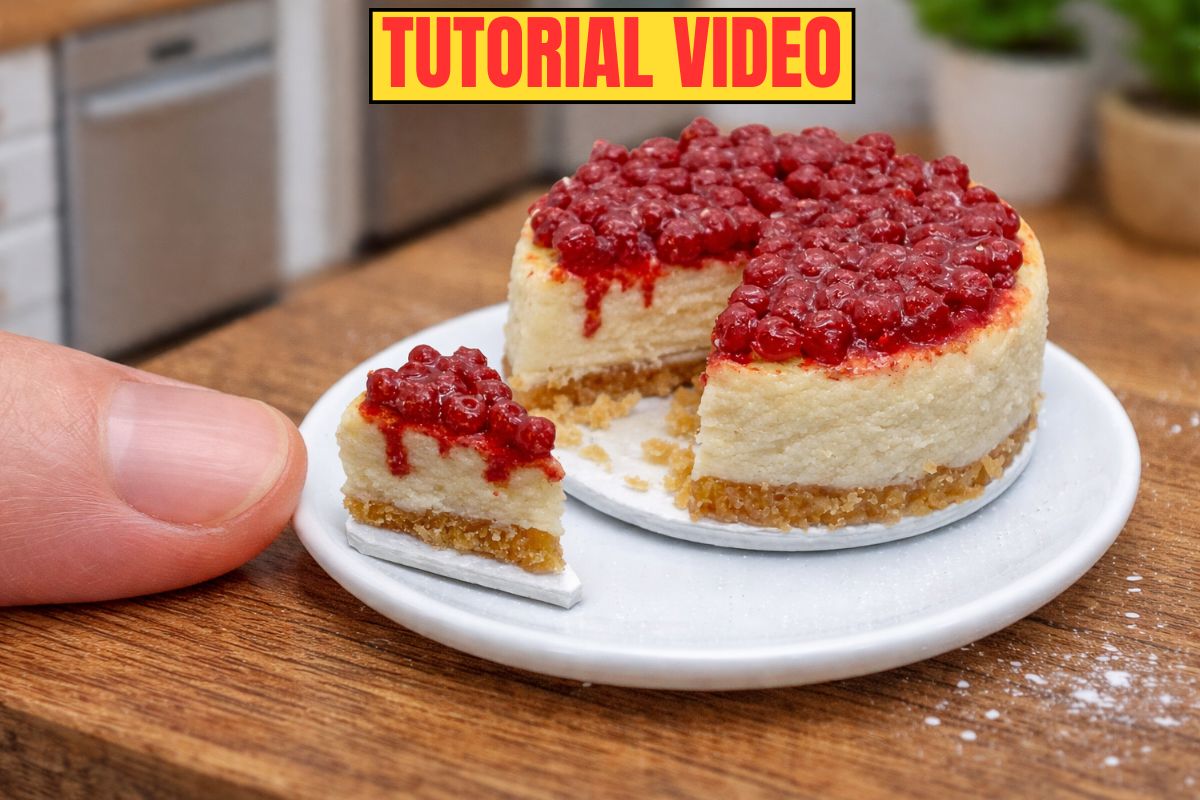
Creating miniature food from polymer clay is a relaxing and creative hobby, and one of the most popular pieces to make is a perfect cheesecake. A tiny cheesecake looks beautiful in dollhouses, miniature kitchens, or as part of a handmade collection. With the right materials and a few simple techniques, you can create a realistic cheesecake that looks almost good enough to eat.
| Product | Buy |
|---|---|
| Air Dry Clay |

|
| Clay Tools |
|
| Clay Shaper Tool |
|
| Magnets |
|
| Jewellery Materials |
|
| Acrylic Colours |
|
| Paint Brushes |
|
Why Make a Miniature Cheesecake?
Cheesecake is a favorite dessert around the world. Its smooth texture, golden crust, and creamy filling make it perfect for miniature art. When recreated with polymer clay, cheesecake allows you to practice blending colors, shaping smooth surfaces, and adding realistic details like toppings and crust texture. It is also a great project for beginners because the basic shape is simple and easy to form.
Materials You Will Need
To make a perfect polymer clay cheesecake, prepare the following materials:
- Polymer clay in cream, white, and light yellow tones (for the filling)
- Brown clay (for the crust)
- Soft pastel or chalk (optional, for shading)
- Craft blade or precision knife
- Toothbrush or small brush (for texture)
- Roller or flat surface for smoothing
- Oven (for baking the clay according to package instructions)
- Gloss varnish (optional, for realistic shine)
Make sure you work on a clean surface to avoid dust or fingerprints on the clay.
Step 1: Making the Crust
Start by shaping the crust. Mix brown clay with a small amount of darker brown to create a realistic baked color. Roll it into a flat circle slightly larger than the cheesecake filling.
To create a biscuit-like texture, gently press a toothbrush or rough sponge onto the surface. This will give the crust a crumbly appearance. Wrap a thin strip of brown clay around the edge to form the side crust. Blend it gently so it looks natural.
Step 2: Creating the Creamy Filling
For the filling, mix white clay with a small amount of yellow or beige clay to achieve a soft cheesecake color. Knead the clay well until the color is smooth and even.
Shape the mixture into a thick round disk and place it on top of the crust. Smooth the surface carefully using your fingers or a flat tool. Cheesecake is known for its creamy, smooth texture, so take your time making the top look perfect.
If you want a baked cheesecake look, lightly shade the top with soft pastel in a golden tone. Blend gently to create a natural baked effect.
Step 3: Cutting a Slice (Optional)
To make your miniature cheesecake more realistic, cut a small slice using a sharp blade. Remove the slice carefully and refine the edges. Slightly texture the inside using a toothpick to give it a soft, creamy appearance.
You can even place the slice next to the cake or on a tiny plate for extra detail.
Step 4: Adding Toppings
This is where creativity shines. You can decorate your cheesecake with:
- Red clay strawberries or raspberries
- Blueberries made from tiny rolled balls
- A thin layer of red translucent clay for strawberry sauce
- Whipped cream swirls made with white clay
Add small details carefully using tweezers or a needle tool. Realistic toppings make the cheesecake stand out.
Step 5: Baking and Finishing
Once you are satisfied with your design, bake the clay according to the instructions on the package. Usually, polymer clay bakes at a low temperature for 15–30 minutes, depending on thickness.
After cooling completely, you can apply a thin layer of gloss varnish on the topping or sauce to create a shiny, realistic finish. Avoid adding too much gloss on the crust or filling if you want a natural look.
I found a helpful video titled “How to Make Perfect Cheesecake | DIY Polymer Clay Food.” The method may be a little different from mine, but you can learn useful tips and new techniques from it. Watching different styles will help you improve your miniature food skills and get even better results.
Final Tips for a Perfect Result
- Blend colors slowly for realistic tones.
- Avoid fingerprints by smoothing gently.
- Study real cheesecake photos for inspiration.
- Practice small details to improve your skills.
Making a perfect polymer clay cheesecake is not only fun but also a great way to improve your miniature food techniques. With patience and creativity, you can create a tiny dessert masterpiece that looks incredibly realistic and adds charm to any miniature scene.