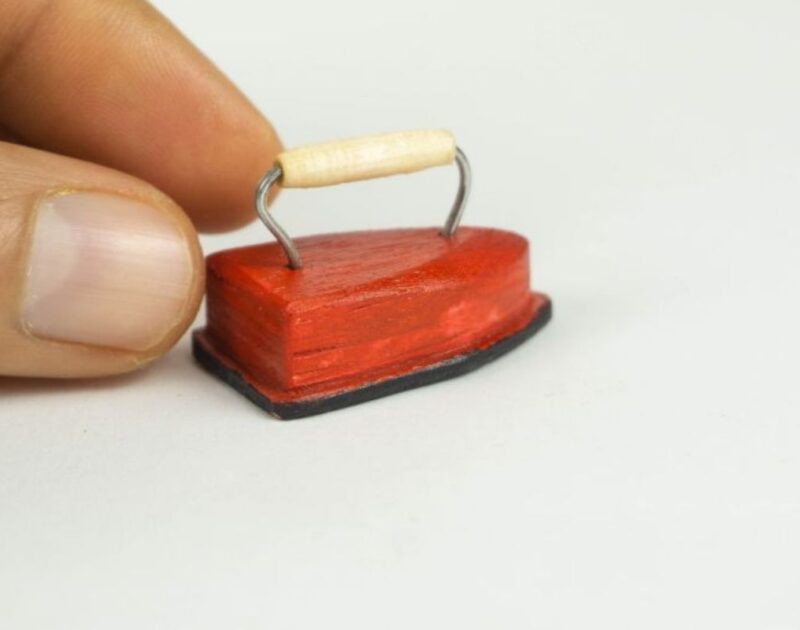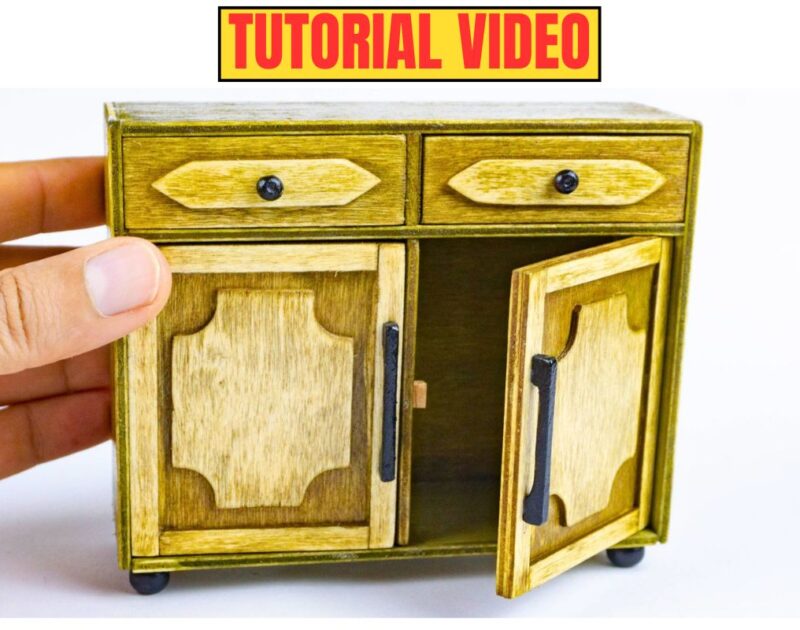

For decades, miniature art was considered a quiet, personal hobby practiced by enthusiasts in small workshops and craft rooms. Today, the internet has transformed this niche craft into a viable source of income for thousands of artists around the world.
| Product | Buy |
|---|---|
| Rapid Wood Glue |

|
| Needle File |
|
| Sandpaper |
|
| Transparent Brown Stain |
|
| Wood Oil |
|
| Jeweler’s Saw |
|
| Small Table Saw |
|
| 12V Mini Drill |
|
Through social media platforms, online marketplaces, and digital products, miniature creators can now turn their passion into sustainable businesses. The shift from hobbyist to entrepreneur is no longer rare—it is becoming the new normal.
One of the biggest changes enabling this transformation is visibility. Platforms such as Instagram and TikTok allow artists to showcase their work to a global audience instantly. Unlike traditional craft fairs or local exhibitions, social media removes geographical barriers.
A miniature chair crafted in a small workshop can now be admired by collectors, hobbyists, and buyers worldwide within minutes of being posted. This exposure is the first step toward monetization because it builds recognition, trust, and interest in the artist’s work.
Video content plays an especially powerful role in converting viewers into customers. Time-lapse videos, process clips, and transformation reels reveal the level of skill and patience required in miniature craftsmanship. When viewers see how much detail goes into a tiny bookshelf or dollhouse bed, they begin to understand the value of handmade work.
Platforms like YouTube are particularly useful for longer tutorials, which not only attract viewers but also establish the artist as an authority in the field. Over time, educational content builds credibility and positions the creator as both an artist and a teacher.
Beyond visibility, the internet offers multiple income streams for miniature artists. The most direct method is selling physical pieces. Online marketplaces such as Etsy provide a ready-made audience specifically interested in handmade and artistic products.
Instead of spending months searching for buyers locally, artists can open a digital storefront and reach collectors actively looking for unique miniature items. High-quality photos, clear descriptions, and storytelling about the crafting process can significantly increase perceived value and encourage purchases.
However, selling physical products is only one part of the opportunity. Many miniature artists are now earning income through digital products, which often scale more easily than handmade goods. Plans, templates, printable patterns, and instructional PDFs can be sold repeatedly without additional production time.
Platforms like Gumroad make it simple to distribute downloadable files and receive payments from international customers. This approach allows artists to monetize their expertise, not just their finished objects.
Teaching is another powerful income channel. Online workshops, video courses, and live crafting sessions enable miniature artists to transform their knowledge into a product. Even simple tutorial videos can generate revenue through ads, memberships, or sponsorships once a creator builds a loyal audience.
Many followers are eager to learn techniques such as wood cutting, scale measurement, or painting details, and they are often willing to pay for structured guidance. In this way, the artist becomes both a creator and an educator.
Trust plays a central role in turning followers into buyers. Consistent posting, transparent communication, and behind-the-scenes content help build a connection with the audience. When viewers feel they know the artist and understand the effort behind each piece, they are more likely to support the work financially.
Storytelling is especially effective here—sharing why a piece was designed, what inspired it, or how long it took to complete gives emotional depth to the product. Customers are not just buying a miniature object; they are buying a story and a piece of the artist’s world.
Another key factor in monetizing miniature art online is branding. Artists who develop a recognizable style—whether through materials, colors, themes, or photography—stand out more easily in crowded feeds.
A consistent visual identity makes the work memorable and signals professionalism. Over time, this branding can evolve into a personal brand, where customers follow the artist not only for individual items but for the artistic vision as a whole.
Of course, turning a hobby into income also brings challenges. Managing orders, responding to messages, packaging fragile pieces, and maintaining online engagement require time and discipline.
Many artists must learn skills beyond crafting, such as marketing, pricing strategy, and customer service. Yet these challenges are also what transform a hobby into a sustainable creative business.
Ultimately, the internet has changed the meaning of being a miniature artist. No longer limited to private collections or local sales, creators now have access to a worldwide audience, multiple income streams, and tools that support independent entrepreneurship. With patience, consistency, and strategic use of online platforms, miniature artists can build careers that were almost unimaginable just a generation ago.
What was once a quiet pastime can now become a thriving digital craft business—proof that even the smallest art can create a big opportunity.