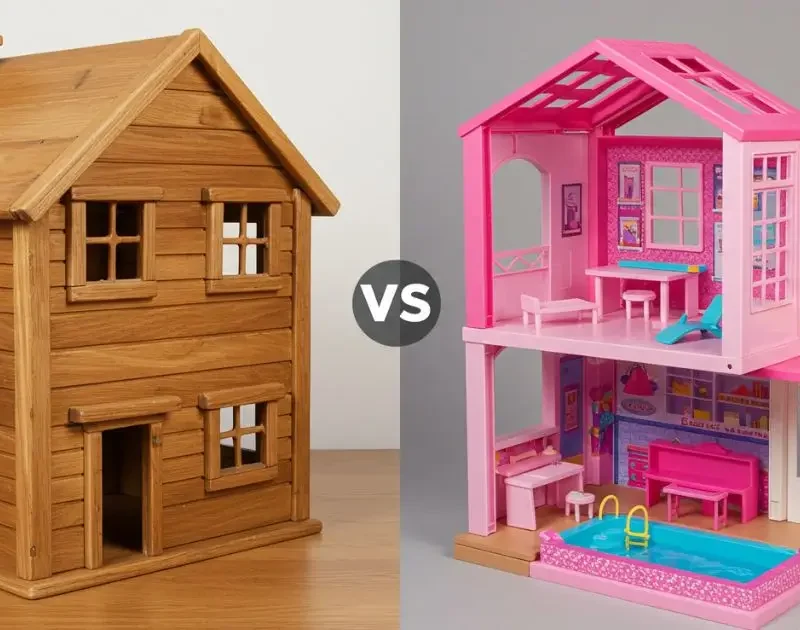
Entering the world of dollhouses and miniatures can be exciting, creative, and sometimes a little overwhelming. With so many materials available—wood, MDF, resin, and handcrafted mixed media—beginners often wonder where to start. For many people, a plastic dollhouse is actually the smartest first step.
While experienced hobbyists may eventually move to wooden or custom-built houses, plastic dollhouses offer a practical and stress-free introduction to the hobby. But who exactly benefits the most from starting with plastic?
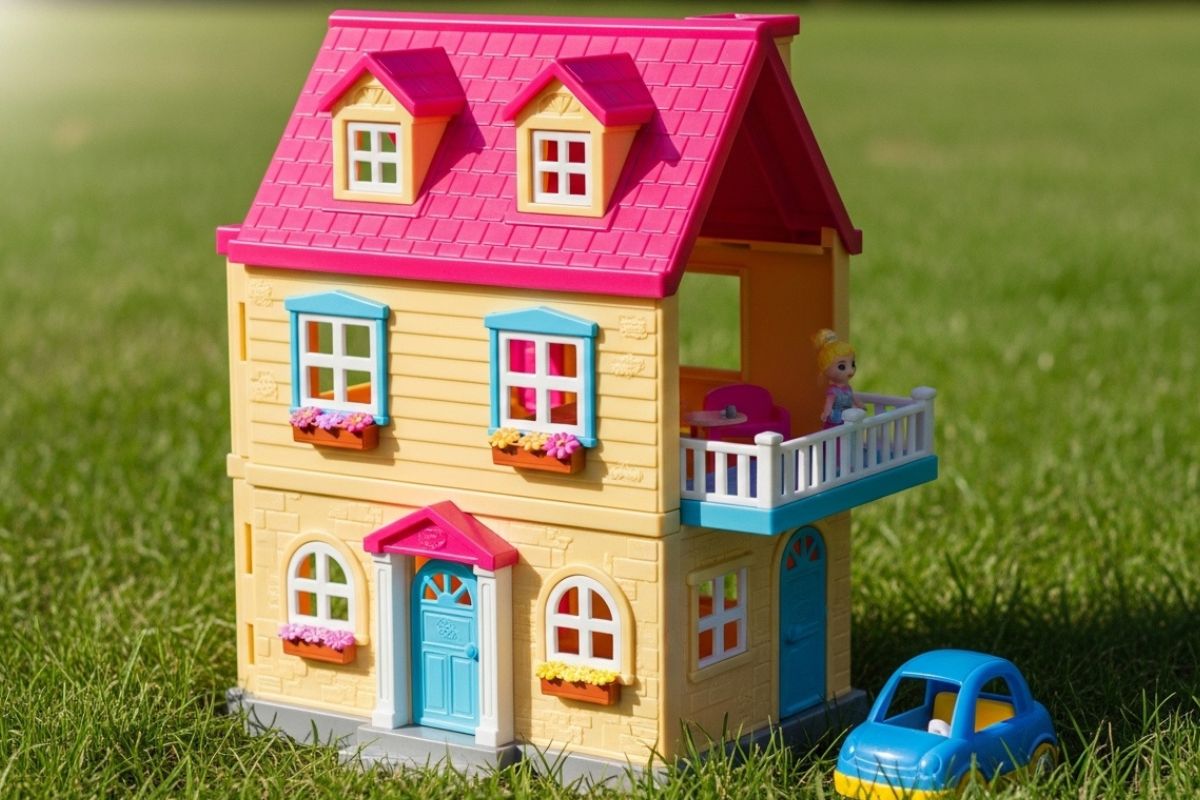
First, plastic dollhouses are ideal for young beginners and children. Kids who are just discovering imaginative play need something durable and safe. Plastic houses are lightweight, resistant to drops, and easy to clean. Unlike wooden models that may splinter or require careful handling, plastic versions can survive daily play.
They also usually come with bright colors and ready-to-use furniture, which helps children focus on storytelling rather than construction. For parents, this makes plastic dollhouses a low-risk way to introduce creativity and role-play.
Second, plastic dollhouses are perfect for complete beginners to miniatures. Many adults are curious about dollhouse crafting but feel intimidated by cutting wood, using glue, sanding surfaces, or painting tiny details. A plastic dollhouse removes these barriers. Since it often comes pre-assembled or easy to snap together, beginners can immediately start decorating and arranging miniature items.
This allows them to explore the artistic side of the hobby—design, color combinations, layout planning—before learning advanced construction techniques. It builds confidence and keeps motivation high.
Another group that benefits from plastic dollhouses is people with limited time. Building a wooden dollhouse from scratch can take weeks or even months. Not everyone has the schedule for such a long project. Plastic models provide instant results. Someone with a busy job, school commitments, or family responsibilities can still enjoy the miniature world without a huge time investment.
They can decorate a room in a single evening, change the furniture later, or repaint sections when inspiration strikes. This flexibility makes plastic dollhouses very appealing to hobbyists who want relaxation rather than a long technical project.
Plastic dollhouses are also great for budget-conscious hobbyists. Starting a new craft can be expensive, especially when tools and materials are involved. Wooden dollhouses often require saws, clamps, paints, varnishes, and specialized glues. Plastic dollhouses, on the other hand, usually cost less upfront and don’t explained require many additional tools.
This makes them ideal for people who want to test the hobby before investing heavily. If they later discover a passion for miniatures, they can always upgrade to more advanced materials.
Another often overlooked group is collectors who enjoy rearranging scenes frequently. Plastic dollhouses are easier to move, transport, and modify. Someone who likes photographing miniatures, creating social media content, or changing seasonal decorations will appreciate how simple it is to swap rooms or repaint plastic surfaces.
Because they are lighter, they are also easier to store or relocate. This makes them practical for hobbyists living in apartments or shared spaces where large wooden dollhouses may be difficult to keep.
Plastic dollhouses can also serve as a good starting point for DIY learners who want to practice decoration skills. Painting walls, adding wallpaper, making miniature curtains, or building tiny accessories are skills that don’t require a wooden structure. Beginners can experiment freely on plastic without fear of ruining an expensive handmade base.
Mistakes are easier to fix, and repainting is simple. In this way, plastic dollhouses function almost like a training platform before moving on to more complex projects.
Finally, plastic dollhouses suit people who value fun over perfection. Not everyone wants museum-level realism. Some hobbyists simply enjoy arranging rooms, telling stories, and expressing creativity in a playful way. Plastic dollhouses embrace this spirit. They encourage experimentation, imagination, and freedom rather than strict craftsmanship rules.
In conclusion, plastic dollhouses are not just toys—they are an excellent entry point into the miniature world. They are especially suited for children, complete beginners, busy individuals, budget-conscious hobbyists, decorators, and creative storytellers.
By removing technical barriers and offering immediate enjoyment, plastic dollhouses make the hobby accessible to almost anyone. For many enthusiasts, they represent the first step in a long and rewarding journey into the art of miniatures.