As a miniature wooden furniture maker, I’ve always believed that tiny details are what truly bring a miniature scene to life. Whether it’s a handcrafted chair, a rustic table, or a carefully aged wardrobe, realism depends on the small elements that surround the furniture.
| Product | Buy |
|---|---|
| Air Dry Clay |

|
| Clay Tools |
|
| Clay Shaper Tool |
|
| Magnets |
|
| Jewellery Materials |
|
| Acrylic Colours |
|
| Paint Brushes |
|
One detail that often catches the eye in miniature kitchens, dining rooms, and market scenes is fruit, especially something as recognizable as grapes.
While I specialize in wooden miniature furniture, this article is based on techniques shared by other miniature artists and hobbyists. Over time, I’ve researched and observed how different creators achieve realistic results using simple, affordable materials.
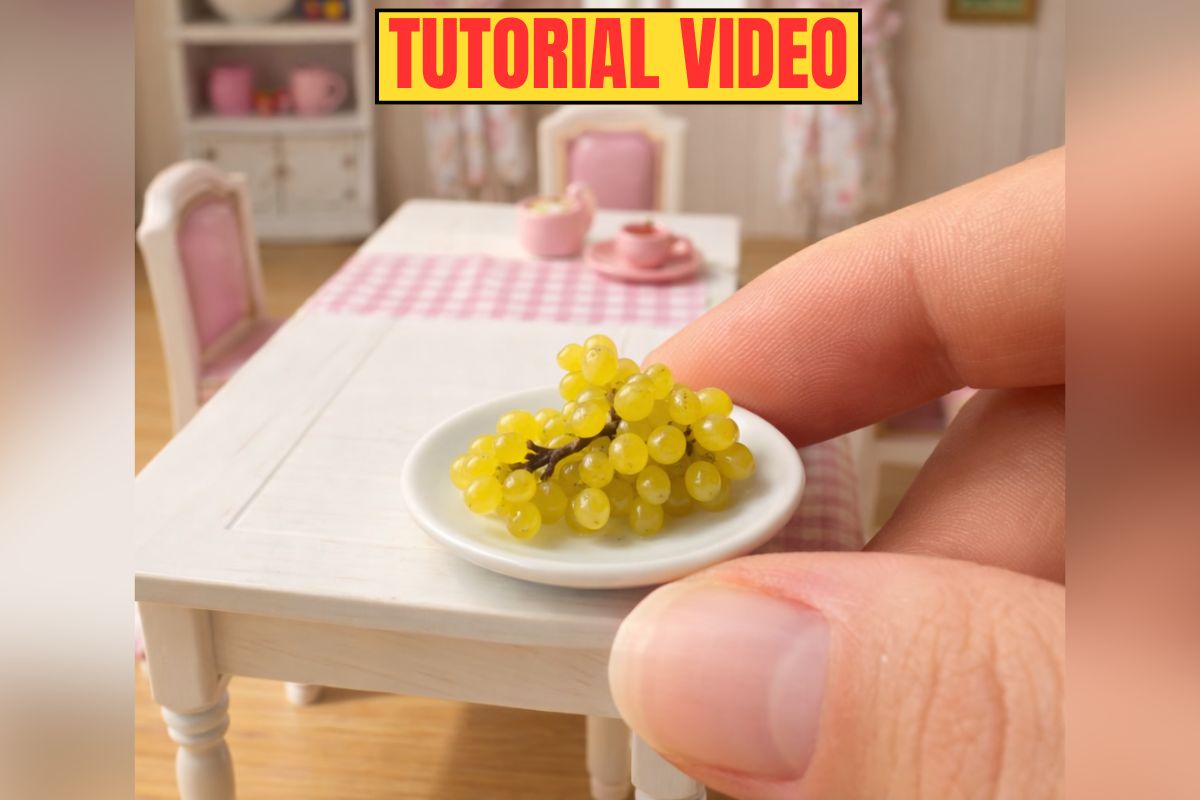
One particularly popular and clever method involves making miniature grapes using hot glue—a technique that proves you don’t need expensive tools to achieve impressive realism.
Why Grapes Matter in Miniature Scenes
In real life, grapes symbolize abundance, freshness, and everyday beauty. In miniature worlds, they serve a similar purpose. A small bunch of grapes can instantly add warmth and storytelling to a dollhouse kitchen, a dining table, or even a rustic wooden crate in a miniature market.
For hobbyists who enjoy building scenes around handcrafted furniture, grapes are more than decoration. They help establish scale, color balance, and authentic atmosphere. This is why so many miniature makers look for methods that are not only realistic but also practical.
Learning from the Miniature Community
It’s important to clarify that the hot glue grape technique is not my personal invention. Like many ideas in the miniature world, it has evolved through shared knowledge. Miniature artists on blogs, video platforms, and social media have experimented with different materials—resin, clay, beads, and glue—before settling on hot glue as an accessible alternative.
By observing multiple tutorials and comparing results, a clear pattern emerges: hot glue offers a unique combination of transparency, flexibility, and ease of shaping, making it surprisingly suitable for grape replicas.
Why Hot Glue Works So Well for Miniature Grapes
Hot glue is usually associated with basic crafting, but in miniature work, it becomes a powerful creative tool. When applied carefully, small drops of hot glue naturally form rounded shapes, closely resembling individual grapes.
Here are a few reasons miniature makers favor this material:
- Natural shape formation: Hot glue droplets naturally round out as they cool
- Affordable and accessible: Most hobbyists already own a glue gun
- Lightweight: Ideal for delicate miniature scenes
- Customizable: Can be painted, tinted, or left semi-transparent
This simplicity makes the technique especially attractive to beginners who want realistic results without investing in specialized supplies.
The Basic Technique Explained
Although details vary from creator to creator, the general approach follows a similar logic. Small drops of hot glue are applied one by one onto a non-stick surface or directly onto a thin wire or stem structure. Each drop represents a single grape.
Once cooled, these tiny spheres can be gently shaped, grouped, and arranged into a natural cluster. Some artists slightly vary the size of each drop to avoid a “too perfect” look, which actually enhances realism.
After the cluster is formed, light painting techniques are often used. Transparent purple, green, or red tones help mimic real grapes while allowing light to pass through, adding depth and realism.
How This Complements Miniature Wooden Furniture
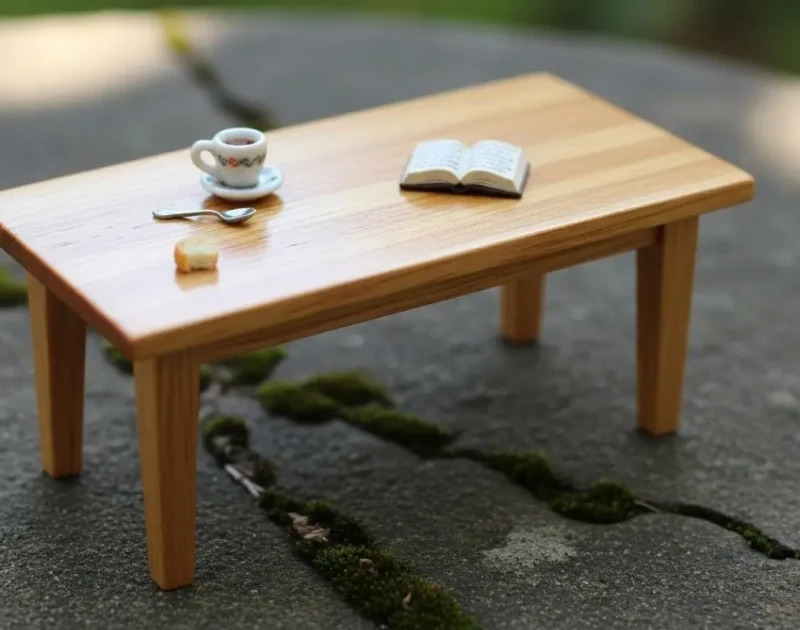
From my perspective as a miniature wooden furniture maker, this technique pairs beautifully with handcrafted wood pieces. A rustic miniature table instantly feels more alive when paired with a small bowl of grapes. A wooden shelf gains character when decorated with natural-looking food elements.
This harmony between furniture and accessories is what elevates a miniature scene from a simple model to a believable world. Even the most detailed wooden craftsmanship benefits from thoughtful decorative accents.
Perfect for Beginners and Relaxing Crafts
Another reason this technique has gained popularity is its relaxing nature. Many hobbyists describe the process as calming and meditative. There’s no pressure for perfection, and small imperfections actually enhance the handmade charm.
Because the materials are inexpensive, beginners feel free to experiment without fear of waste. This aligns perfectly with the spirit of miniature making—learning, exploring, and enjoying the process.
Final Thoughts
Miniature grapes made from hot glue are a wonderful example of how creativity thrives in the miniature community. By learning from other makers and adapting shared techniques, hobbyists can achieve beautiful results with minimal resources.
As someone deeply involved in miniature wooden furniture, I see these techniques not as separate crafts, but as complementary skills. When furniture and accessories work together, the miniature world becomes more immersive, realistic, and emotionally engaging.
If you love miniatures, don’t hesitate to explore techniques from fellow creators. Sometimes, the simplest materials can produce the most magical results.