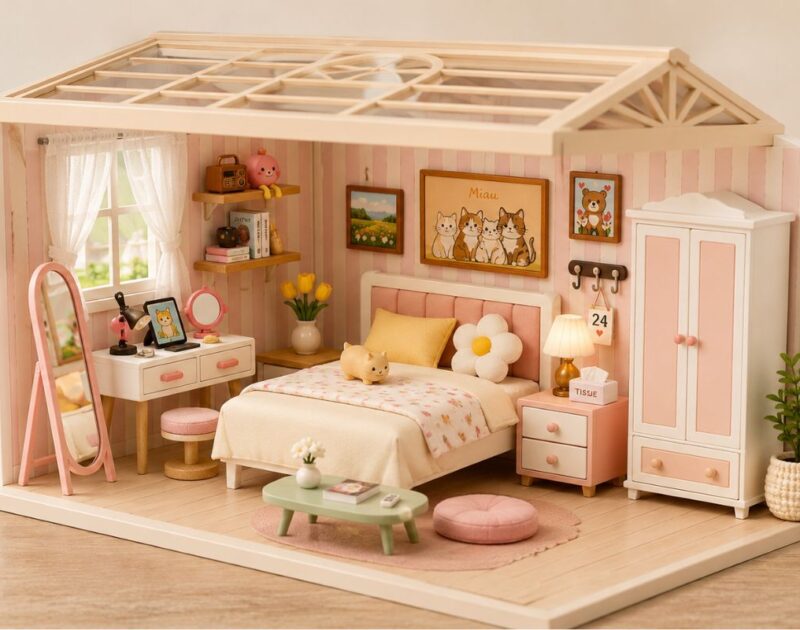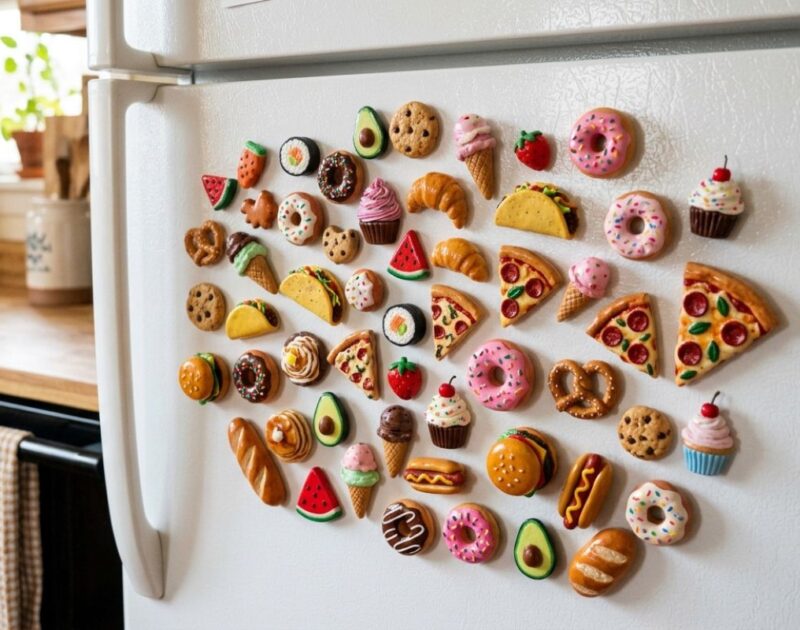
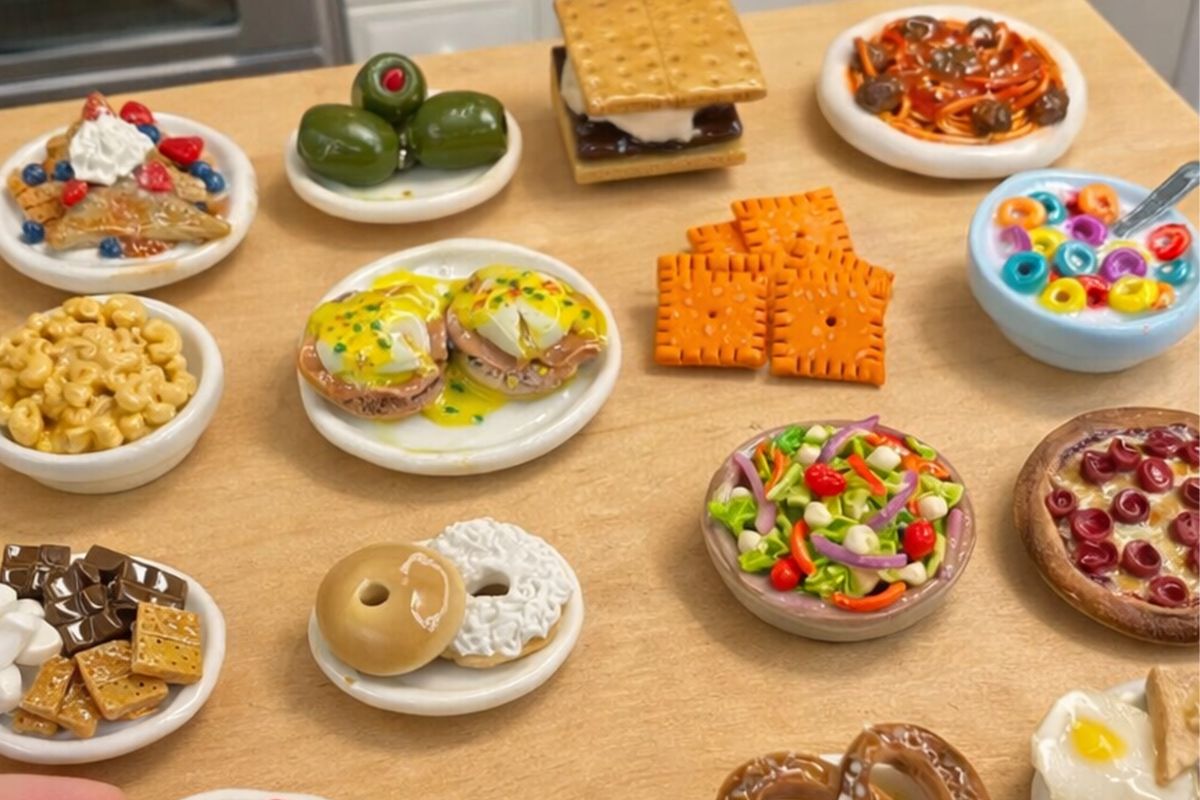
Miniature food made from polymer clay has captured the attention of artists, collectors, and dollhouse enthusiasts around the world. At first glance, many of these tiny creations look so convincing that viewers often mistake them for real food.
| Product | Buy |
|---|---|
| Air Dry Clay |

|
| Clay Tools |
|
| Clay Shaper Tool |
|
| Magnets |
|
| Jewellery Materials |
|
| Acrylic Colours |
|
| Paint Brushes |
|
From glossy strawberries to freshly baked miniature bread, polymer clay artists have mastered techniques that blur the line between craft and reality. The realism of these miniatures comes from a combination of material properties, artistic skill, observation, and human perception.
The Unique Properties of Polymer Clay
One of the main reasons polymer clay miniatures appear realistic is the material itself. Polymer clay is highly versatile and allows artists to sculpt extremely fine details without drying out quickly. This gives creators enough time to shape delicate textures such as bread crusts, icing swirls, or fruit skins.
Once baked, the clay becomes firm and durable while preserving all the small sculpted details. This ability to hold imperfections—tiny cracks, uneven edges, or subtle bumps—is essential because real food is never perfectly smooth.
The Importance of Realistic Color Blending
Color plays a crucial role in making miniature food believable. Real food rarely has a single flat tone; instead, it contains layers of shades, highlights, and shadows. Skilled artists mix multiple clay colors together to imitate these natural variations.
A loaf of bread, for example, might include warm beige tones, darker toasted edges, and golden highlights to simulate baking. Fruits often use translucent clay blends to mimic the way light passes through their flesh. These layered colors create depth that tricks the eye into perceiving realism.
Texture: The Secret Behind Lifelike Details
Texture is one of the strongest visual signals that something is real. Food surfaces are complex—the roughness of baked dough, the smooth shine of chocolate, or the tiny pores of fruit skin. Polymer clay can be manipulated using brushes, needles, sponges, or even household materials like foil or sandpaper to recreate these textures.
Many artists study real food closely, photographing it or examining it under strong light to understand how the surface behaves. By reproducing these details in miniature, they trigger the brain’s recognition of real food textures.
Accurate Scale and Proportion in Miniatures
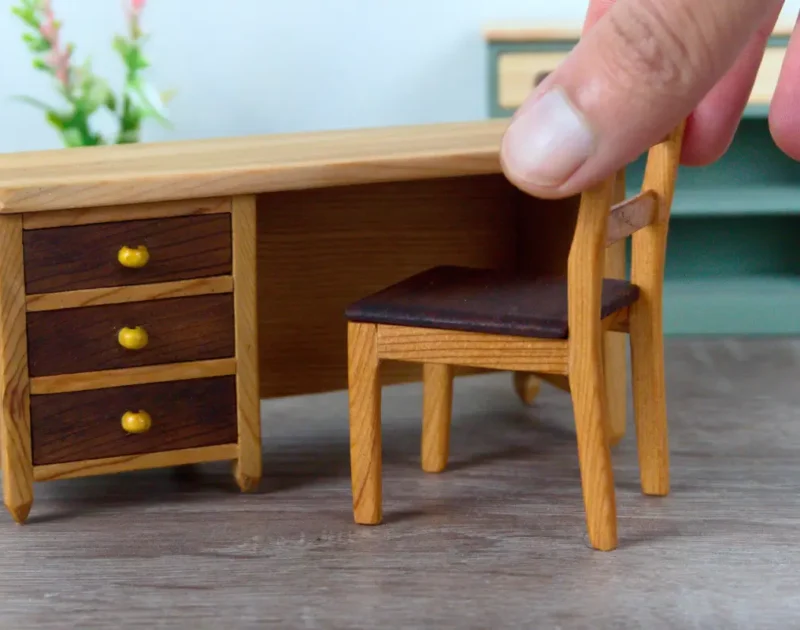
Realism also depends heavily on correct proportions. Most miniature food is created according to precise scales, such as 1:12 for dollhouses. When the plate size, slice thickness, or seed size matches real-life proportions, the object feels believable.
Even a small error in scale can break the illusion. Artists therefore measure carefully and often keep real objects nearby for reference. This attention to proportion ensures the miniature fits naturally into its environment.
Finishing Techniques That Enhance Realism
After baking, finishing techniques help bring miniature food to life. Artists may apply varnishes, paints, or pastels to add visual effects. Glossy finishes can simulate syrup, melted butter, or fruit glaze, while matte finishes can make pastries look soft and fresh. Chalk pastels are often brushed on to mimic browning or powdered sugar. These subtle enhancements imitate the way real food reflects light and develops surface variations.
The Role of Lighting and Photography
Lighting and presentation play a major role in how realistic miniature food appears, especially online. Many artists photograph their creations using natural light, shallow depth of field, and realistic backgrounds such as wooden tables or ceramic plates.
When captured from the right angle, the miniature blends seamlessly into the scene, making it difficult to distinguish from full-sized food. Photography therefore amplifies the illusion and helps viewers emotionally connect with the piece.
How Human Psychology Interprets Realistic Miniatures
Human perception also contributes to the realism of miniature food. Our brains are trained to recognize familiar objects quickly, especially food. When we see something with recognizable shapes, colors, and textures, our minds automatically categorize it as edible.
Even when we know it is artificial, our visual system still responds as if it were real. This psychological response explains why people often feel the urge to touch or taste realistic miniatures.
Patience and Craftsmanship in Miniature Art
Finally, realism comes from dedication and practice. Many miniature artists spend years refining their techniques and learning to observe tiny details others overlook. They experiment with color mixing, sculpting tools, and baking methods until they achieve convincing results. Some pieces may take hours to complete, but that time investment produces the level of detail viewers associate with authenticity.
When Art, Science, and Perception Meet
Polymer clay miniature food looks so realistic because it combines the adaptability of the material with artistic observation, accurate scaling, layered coloring, and thoughtful finishing techniques. Added to this is the psychological way humans interpret visual cues. What appears to be a simple craft is actually a blend of art, science, and perception—proof that even the smallest creations can achieve extraordinary realism.