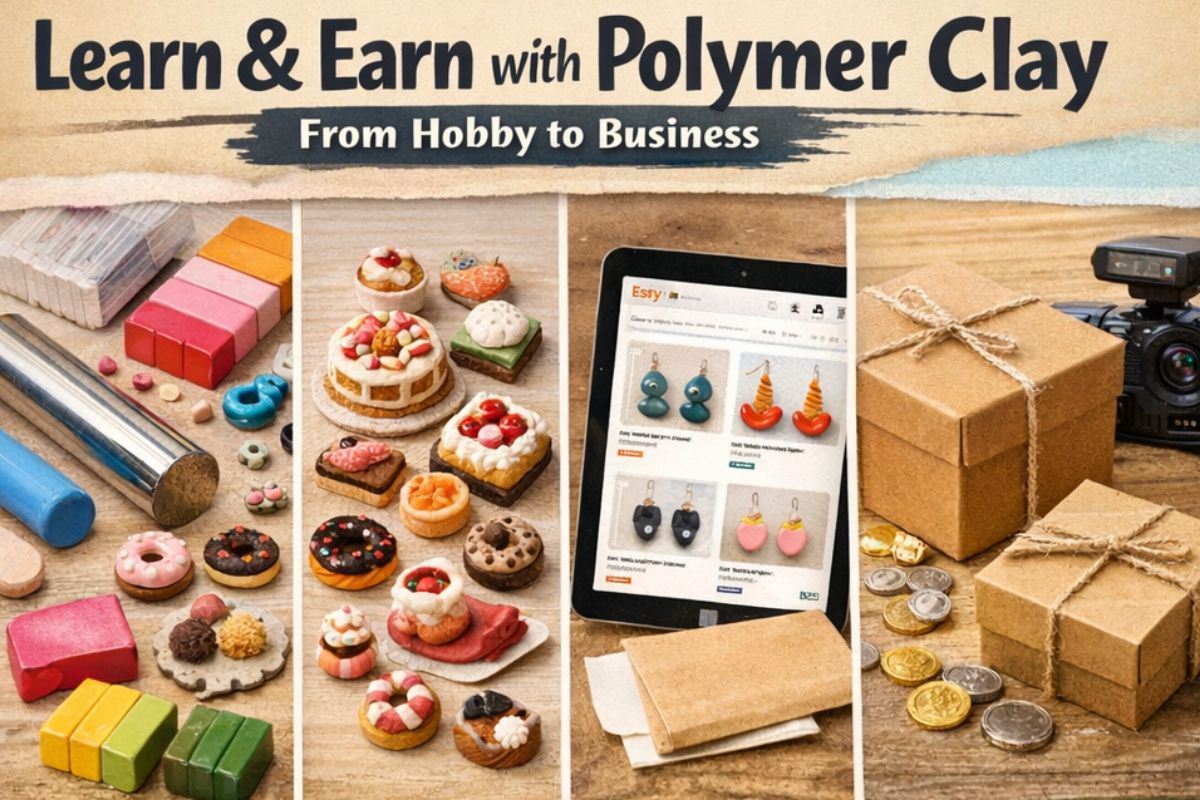
Polymer clay has become one of the most popular and versatile materials in the world of handmade crafts. Whether you are passionate about miniatures, jewelry, or home décor, learning how to work with polymer clay can open the door to both creativity and income. In this article, you will discover how to learn polymer clay step by step, improve your skills, and turn your passion into a steady source of profit.
| Product | Buy |
|---|---|
| Air Dry Clay |

|
| Clay Tools |
|
| Clay Shaper Tool |
|
| Magnets |
|
| Jewellery Materials |
|
| Acrylic Colours |
|
| Paint Brushes |
|
What Is Polymer Clay and Why Is It So Popular?
Polymer clay is a type of modeling material that hardens when baked in a home oven. It is easy to shape, comes in a wide range of colors, and allows artists to create highly detailed designs. Unlike natural clay, it does not dry out in the air, giving you unlimited time to refine your work.
Its popularity comes from three main advantages:
- Accessibility: Beginners can start with simple tools
- Versatility: You can create jewelry, miniatures, decorations, and more
- Profit potential: Handmade polymer clay products are in high demand
Step 1: Learn the Basics
Before thinking about selling, you need to build a strong foundation. Start with simple projects such as:
- Small charms
- Miniature food
- Basic shapes like beads or pendants
Watch tutorials on YouTube or Pinterest and focus on understanding:
- How to condition clay
- How to mix colors
- How to bake correctly
Practice regularly. Your first creations may not be perfect, but improvement comes with time and repetition.
Step 2: Use Simple Tools First
One of the best things about polymer clay is that you do not need expensive tools to begin. Start with:
- A roller or acrylic rod
- A craft knife
- Toothpicks or needles for details
- Baking paper and a home oven
As your skills improve, you can invest in:
- Silicone molds
- Texture sheets
- Professional cutting blades
Focus on mastering basic tools before upgrading.
Step 3: Choose a Niche
To stand out, it is important to specialize. Instead of making everything, choose a specific area such as:
- Miniature food
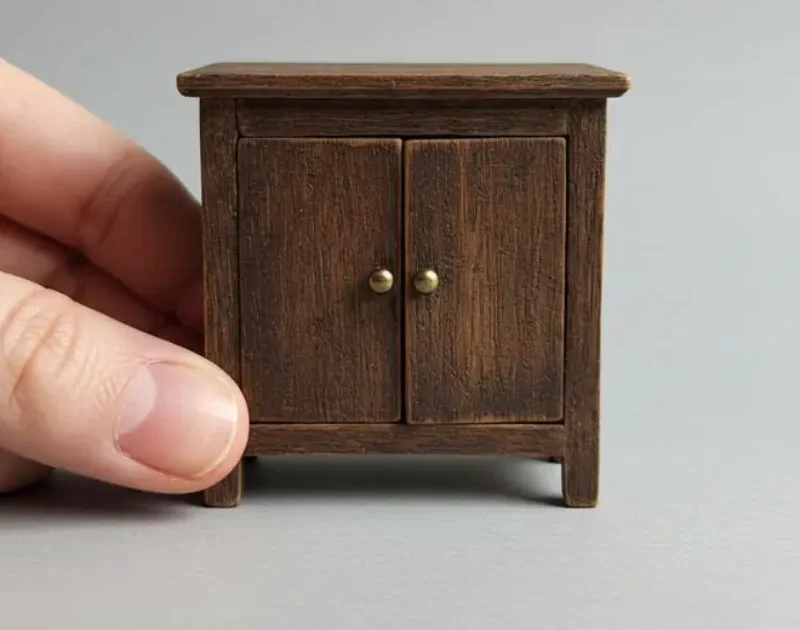
- Dollhouse furniture
- Jewelry (earrings, necklaces)
- Cute figurines
A clear niche helps you attract a targeted audience and build a recognizable style.
Step 4: Improve Your Techniques
Once you master the basics, move on to more advanced techniques:
- Color blending and gradients
- Creating realistic textures (wood, fabric, food)
- Fine detailing with precision tools
- Glazing and finishing for a professional look
High-quality pieces allow you to charge higher prices and increase your income.
Step 5: Build Your Online Presence
To turn your hobby into a business, visibility is essential. Share your work on:
- TikTok
Post consistently and focus on:
- High-quality photos
- Before-and-after transformations
- Short videos showing your process
People enjoy seeing how handmade items are created, which helps build trust and engagement.
Step 6: Start Selling Your Work
Once you feel confident, begin selling your creations on platforms like:
- Etsy
- Facebook Marketplace
- Instagram Shop
Make sure to:
- Write clear product descriptions
- Use relevant keywords
- Set fair and profitable prices
Your pricing should include:
- Material costs
- Time spent
- Platform fees
Do not undervalue your work—handmade items are unique and valuable.
Step 7: Create a Strong Brand
A strong brand makes your business look more professional. Focus on:
- A unique shop name
- A simple logo
- Consistent colors and style
Packaging also plays an important role. Clean and attractive packaging can improve customer experience and encourage repeat purchases.
Step 8: Expand Your Income Streams
Selling physical products is just one way to earn money. You can also:
- Sell digital tutorials or guides
- Offer online classes
- Create YouTube content and earn from ads
- Collaborate with other creators
Multiple income streams help you grow faster and increase financial stability.
Step 9: Analyze What Sells Best
Not all products perform the same. Pay attention to:
- Customer preferences
- Trending designs
- Seasonal demand
For example:
- Miniature food items are very popular
- Earrings sell well among younger audiences
- Personalized items often have higher value
Focus on your best-selling products to maximize profit.
Step 10: Stay Consistent and Keep Learning
Success does not happen overnight. Many successful creators spent months or even years improving their skills.
To grow faster:
- Practice regularly
- Learn from mistakes
- Follow trends while maintaining your style
- Listen to customer feedback
Consistency is more important than perfection.
Final Thoughts
Learning polymer clay is not just about creating beautiful objects—it is about building a creative and profitable skill. With patience, practice, and smart marketing, you can turn a simple hobby into a real business.
Start small, stay consistent, and share your work with the world. Every expert was once a beginner, and your journey today can become your income tomorrow.
In the end, polymer clay offers two powerful advantages: creative freedom and financial opportunity. If you use both wisely, you can build a successful and rewarding business.