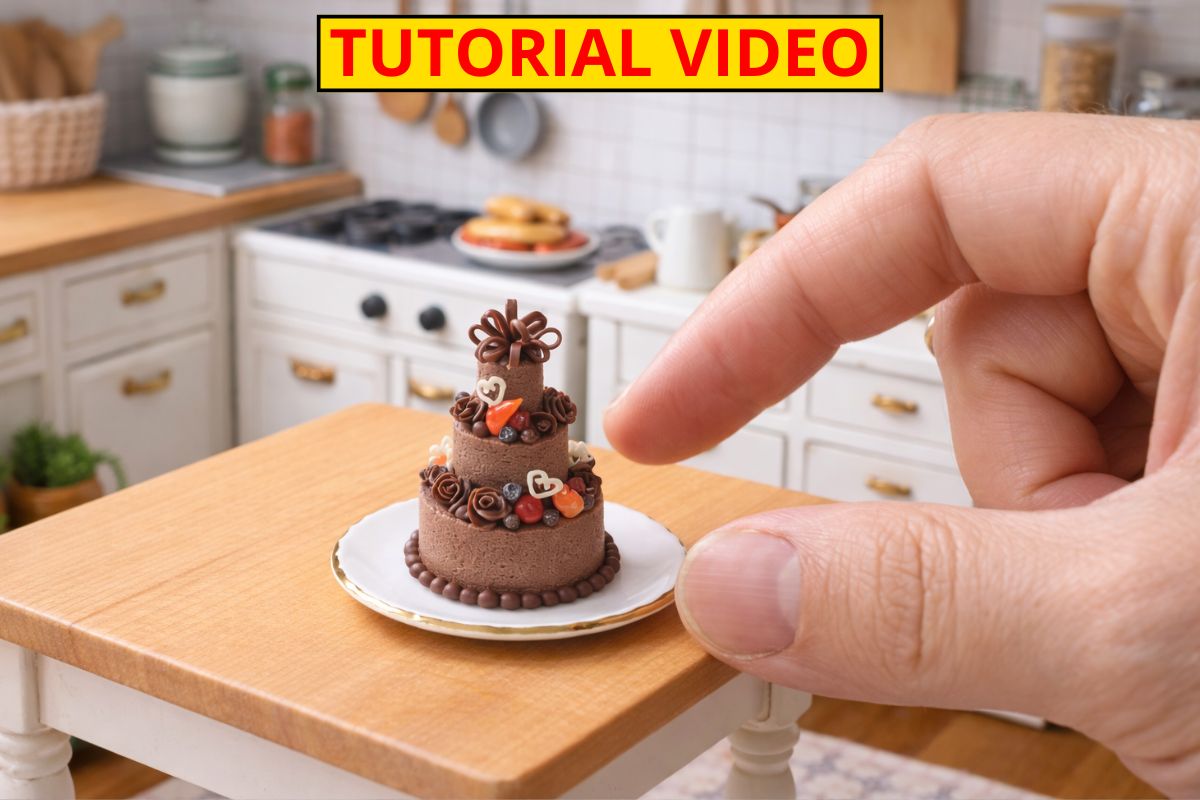
Creating miniature desserts is a fascinating craft that combines creativity, patience, and attention to detail. Among the most popular miniature projects is making a tiny cake using air dry clay.
| Product | Buy |
|---|---|
| Air Dry Clay |

|
| Clay Tools |
|
| Clay Shaper Tool |
|
| Magnets |
|
| Jewellery Materials |
|
| Acrylic Colours |
|
| Paint Brushes |
|
These small creations are often used in dollhouses, miniature kitchens, or as decorative collectibles. Before you start crafting, it is important to understand the key skills that will help you create a realistic and beautiful miniature cake.
Understanding the Basics of Air Dry Clay
Air dry clay is one of the most beginner-friendly materials used in miniature crafting. Unlike polymer clay, it does not require baking in an oven. It hardens naturally when exposed to air, making it convenient and safe to use.
However, working with air dry clay requires some familiarity with its texture and drying time. The clay can dry quickly if left uncovered, so learning how to handle small portions at a time is an important skill. Keeping unused clay sealed and slightly moist helps maintain its flexibility during the crafting process.
Understanding how the clay behaves while shaping and drying will make it easier to achieve smooth surfaces and detailed designs on your miniature cake.
Precision and Attention to Detail
One of the most essential skills in miniature crafting is precision. Because miniature cakes are extremely small, even the smallest detail can make a big difference in realism.
You must carefully shape the layers of the cake, ensuring they are even and proportionate. Small details such as frosting texture, decorative swirls, and tiny toppings are what transform a simple clay object into a realistic miniature dessert.
Using fine tools or simple household items like toothpicks can help create delicate textures that resemble whipped cream, icing, or sponge cake layers.
Color Mixing and Realistic Finishing
Color plays a crucial role in making a miniature cake look authentic. Learning how to mix and apply colors effectively is another valuable skill.
Many miniature artists use acrylic paint or pigments to add color to air dry clay. Soft shades can represent sponge cake layers, while bright colors can simulate frosting, fruit toppings, or chocolate glaze.
Blending colors subtly can create realistic gradients and shadows, which enhance the illusion that the miniature cake is a real dessert.
Patience and Careful Shaping
Patience is a key skill in any miniature project. Because the objects are small and delicate, rushing the process can lead to uneven shapes or accidental damage.
Allowing each layer of the cake to dry slightly before adding additional details can help maintain structure and prevent deformation. Working slowly also gives you more control over the tiny decorative elements that make miniature cakes unique.
Crafting miniatures often requires repeating small adjustments until the proportions and textures look just right.
Creativity and Design Imagination
Beyond technical skills, creativity is what truly brings miniature cakes to life. Miniature artists often design cakes inspired by real bakery desserts, themed celebrations, or imaginative fantasy styles.
Experimenting with different shapes, toppings, and decorative patterns allows you to create miniature cakes that are unique and visually appealing. Whether you prefer elegant wedding-style cakes or colorful birthday designs, imagination plays a big role in the crafting process.
Creative thinking also helps when adapting tools or techniques to achieve specific textures and effects.
Learning from Experienced Miniature Artists
One of the best ways to improve your miniature cake-making skills is by observing experienced creators. Many talented miniature artists share tutorials and demonstrations online.
Watching how professionals shape clay, add textures, and apply finishing touches can provide valuable inspiration and practical ideas for your own projects.
With practice and patience, your miniature cakes will gradually become more realistic and detailed.