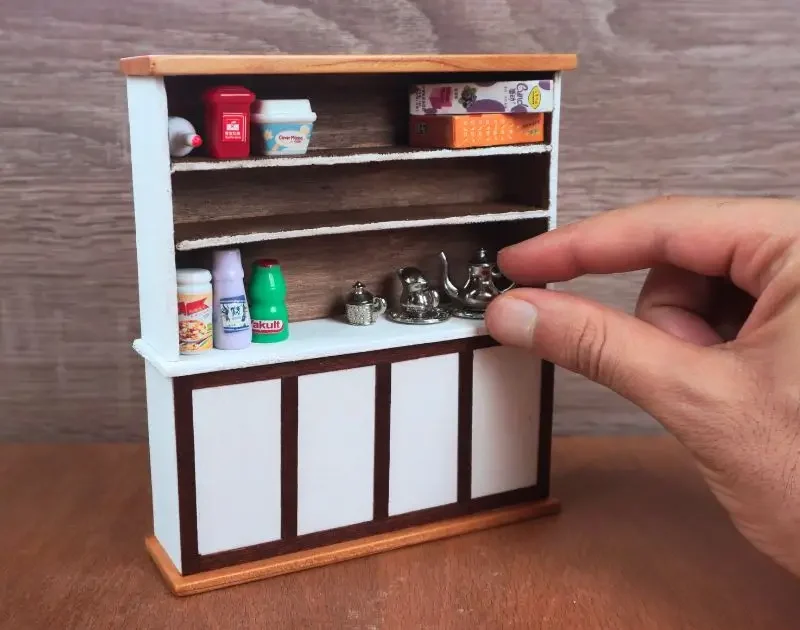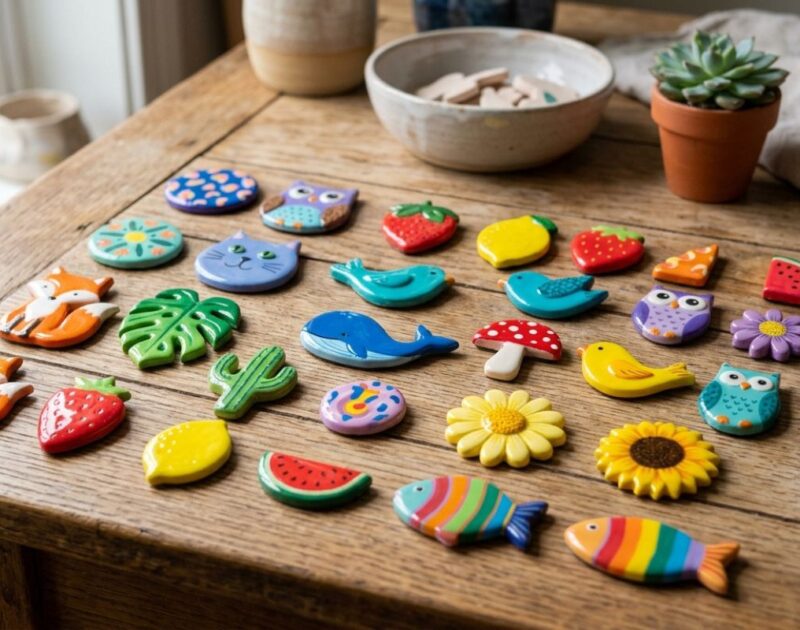
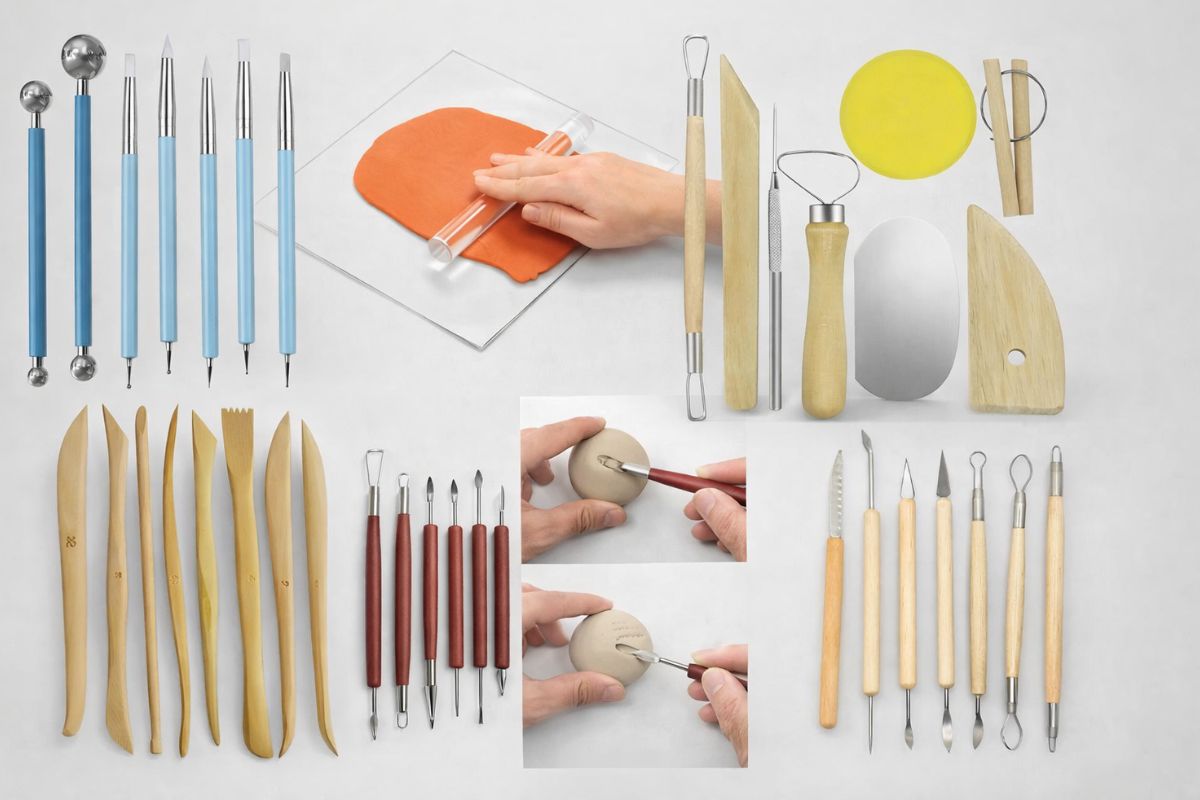
Creating miniature food with polymer clay is a fascinating craft that combines creativity, patience, and attention to detail. Many miniature artists enjoy making tiny fruits, desserts, and meals because polymer clay is flexible, colorful, and easy to shape.
| Product | Buy |
|---|---|
| Air Dry Clay |

|
| Clay Tools |
|
| Clay Shaper Tool |
|
| Magnets |
|
| Jewellery Materials |
|
| Acrylic Colours |
|
| Paint Brushes |
|
Whether you are designing food for a dollhouse kitchen or building a realistic miniature collection, having the right tools can make the process much easier and more enjoyable.
In this article, we will explore the most essential tools you need to start making polymer clay miniature food.
1. Polymer Clay
The most important material for miniature food is, of course, polymer clay itself. Polymer clay is a soft modeling clay that hardens when baked in a regular oven. It is available in many colors, which makes it perfect for creating realistic food items like strawberries, bread, cakes, and vegetables.
Popular brands include Fimo, Sculpey, and Cernit. Many artists mix colors to achieve more natural shades for food such as baked bread, chocolate, or fruit.
Tip: Always condition your clay by kneading it well before working with it to make it smoother and easier to shape.
2. Precision Craft Knife
A precision craft knife is essential for cutting clay, trimming edges, and creating clean shapes. It helps you create neat slices of miniature cakes, fruits, or bread.
This tool is especially useful when you need to cut very small details. Always use a sharp blade to avoid damaging the clay.
Tip: Replace the blade regularly to keep your cuts smooth and accurate.
3. Ball Stylus Tools
Ball stylus tools have small round metal tips that help create textures and shapes. They are perfect for making tiny dents, shaping petals, or creating realistic food surfaces.
For example, you can use them to:
- Shape small berries
- Create dimples on fruits
- Form tiny bowls or cups
These tools come in different sizes, making them very versatile for miniature work.
4. Needle Tool or Pin Tool
A needle tool is one of the most useful tools in miniature clay work. It is a thin metal needle attached to a handle, and it allows you to create extremely fine details.
You can use it to:
- Add texture to bread crusts
- Draw tiny lines on fruits
- Adjust small pieces of clay
- Remove air bubbles
Many miniature artists consider this tool indispensable.
5. Silicone Shapers
Silicone clay shapers have soft rubber tips that help smooth and shape polymer clay without leaving marks. They are excellent for blending seams and shaping soft curves.
They are commonly used for:
- Smoothing frosting on miniature cakes
- Blending clay colors
- Softening edges
Because they are flexible, they allow for more delicate control when working on tiny food details.
6. Texture Brushes and Sponges
Realistic miniature food often requires texture. Small brushes, sponges, or even old toothbrushes can create natural-looking surfaces.
For example:
- A toothbrush can create bread crust texture
- A sponge can give cakes a baked appearance
- A stiff brush can add texture to cookies or pastries
These simple tools add a lot of realism to polymer clay food.
7. Mini Rolling Pin or Acrylic Roller
Rolling the clay evenly is very important when making miniature food like pizza, pie crusts, or cookies. A small rolling pin or acrylic roller helps flatten the clay smoothly.
Clear acrylic rollers are especially useful because they do not stick easily to the clay and allow you to see the thickness while rolling.
8. Toothpicks and Simple Household Tools
You do not always need expensive tools. Many miniature artists use simple household items such as:
- Toothpicks
- Sewing needles
- Aluminum foil
- Small blades
These tools can create excellent textures and shapes for polymer clay food.
For example, aluminum foil can create a natural baked texture on bread or pastries.
9. Small Cutters and Molds
Tiny cutters and molds can help create consistent shapes quickly. They are useful for making items like cookies, fruits, or decorative toppings.
Some artists also create their own molds using silicone mold materials to reproduce small details.
10. Oven and Baking Surface
Since polymer clay hardens with heat, a reliable oven is necessary. Always follow the temperature instructions provided by the clay manufacturer.
It is recommended to bake miniatures on a ceramic tile or parchment paper to avoid shiny spots or burning.
Tip: Use a thermometer in your oven to ensure accurate temperature.
Final Thoughts
Making polymer clay miniature food is a rewarding and relaxing craft. With just a few essential tools, you can create incredibly realistic tiny meals and desserts. The key is patience, practice, and experimenting with textures and colors.
As your skills grow, you may discover new tools and techniques that make your miniatures even more detailed. But even with simple tools, you can produce beautiful and lifelike miniature food for dollhouses, displays, or creative projects.
The world of miniature clay food is full of possibilities, and every tiny creation tells a unique story.