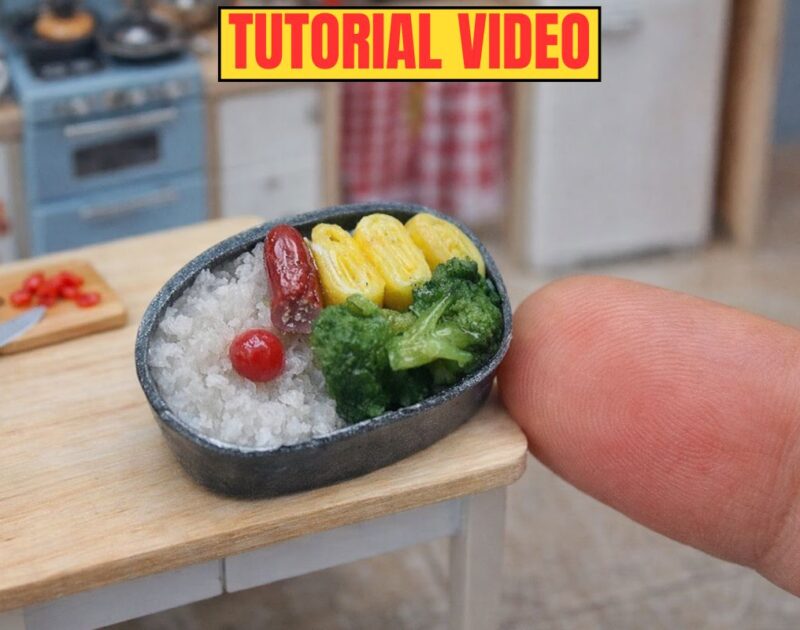
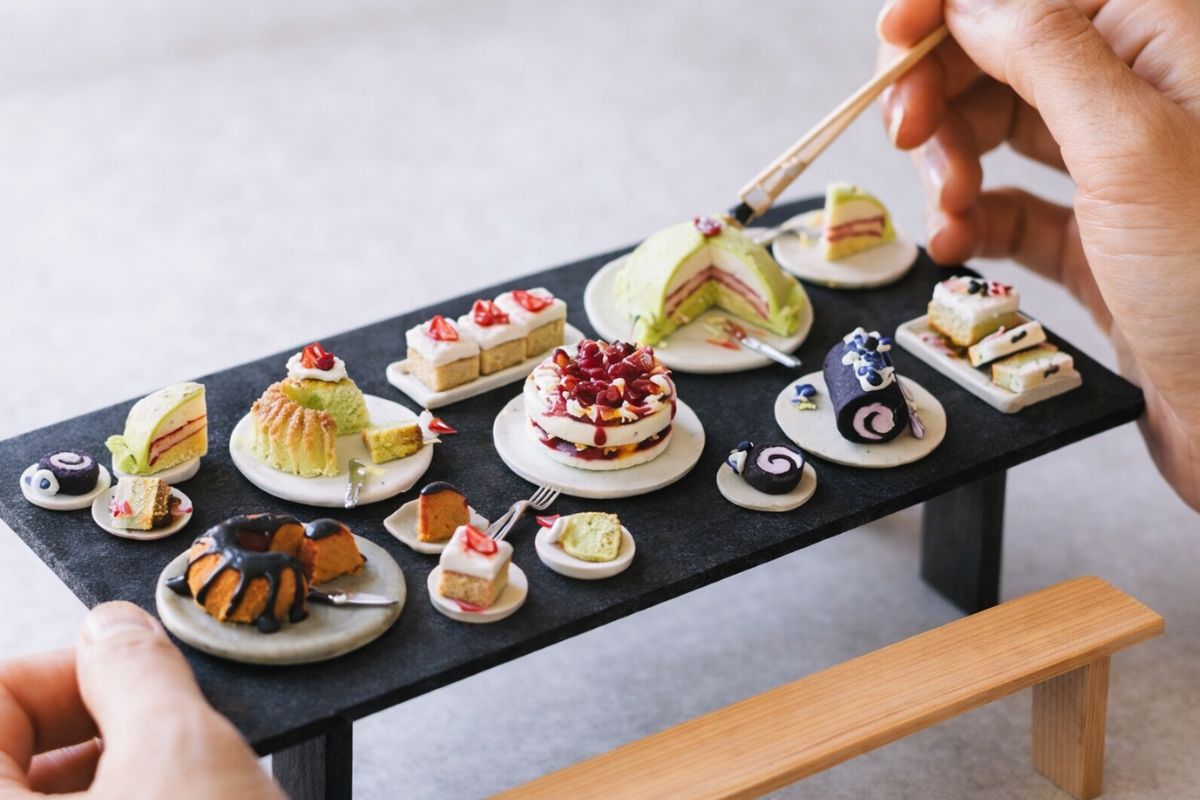
Polymer clay miniature food has become one of the most popular creative hobbies for artists and DIY lovers. Creating tiny realistic burgers, cakes, fruits, and desserts using polymer clay requires patience, practice, and attention to detail.
| Product | Buy |
|---|---|
| Air Dry Clay |

|
| Clay Tools |
|
| Clay Shaper Tool |
|
| Magnets |
|
| Jewellery Materials |
|
| Acrylic Colours |
|
| Paint Brushes |
|
However, many beginners struggle to improve because of a few common habits that slow down their progress.
If you want to master the art of polymer clay miniature food, avoiding these habits will help you learn faster and create more realistic miniatures.
1. Skipping the Polymer Clay Basics
One of the biggest mistakes beginners make when learning miniature food with polymer clay is ignoring the basic techniques. Understanding how to properly condition polymer clay, mix colors, and bake the clay at the correct temperature is essential.
Without these fundamentals, your mini food may crack, burn, or lose its shape during baking.
2. Starting With Complex Miniature Food Projects
Many beginners immediately try to sculpt complicated miniature foods like layered cakes, ramen bowls, or detailed pastries. While these projects look exciting, they require advanced techniques.
It is better to start with simple polymer clay miniature foods such as strawberries, bread, cookies, or fried eggs. These projects help you practice shapes and textures before moving to more complex creations.
3. Not Learning Color Mixing for Realistic Food
Realistic miniature food depends heavily on color accuracy. Many beginners rely only on the clay colors they buy instead of learning how to mix colors.
Practicing polymer clay color mixing helps you create natural shades for bread crusts, fruit tones, sauces, and baked textures. This skill dramatically improves the realism of your mini food.
4. Rushing the Sculpting Process
Miniature food art is all about tiny details. When beginners rush the sculpting or texturing process, the final result often looks unrealistic.
Taking your time while shaping, adding texture, and baking your polymer clay mini food ensures better quality and more professional results.
5. Not Using Real Food References
Trying to sculpt food from memory often leads to unrealistic results. Real food has unique textures, shapes, and color variations.
Using photos or real food as references helps you recreate details such as bread pores, fruit seeds, and frosting textures in your miniature polymer clay food.
6. Being Afraid to Experiment
Fear of making mistakes can slow down learning. Every artist improves through experimentation and practice.
When working with polymer clay miniatures, mistakes are valuable lessons. Each failed piece teaches you something about texture, baking, or color blending.
Conclusion
Mastering polymer clay miniature food art takes time, creativity, and practice. By avoiding these six habits—skipping basics, starting with complex projects, ignoring color mixing, rushing the process, not using references, and fearing mistakes—you can improve your skills much faster.
With patience and consistent practice, you will soon be able to create beautiful and realistic polymer clay miniature foods that look just like the real thing.