In a world increasingly focused on sustainability and personal expression, the art of transforming ordinary objects into extraordinary pieces has become more relevant than ever. This creative practice, often called upcycling or repurposing, allows us to breathe new life into forgotten items while reducing waste and creating something uniquely our own.
Whether you’re looking to refresh your living space, express your creativity, or simply make the most of what you already own, transforming everyday items offers endless possibilities. This guide explores practical techniques and inspiring ideas for turning the mundane into the magnificent.
Vintage Furniture Revival: Turning Old Pieces into Modern Art
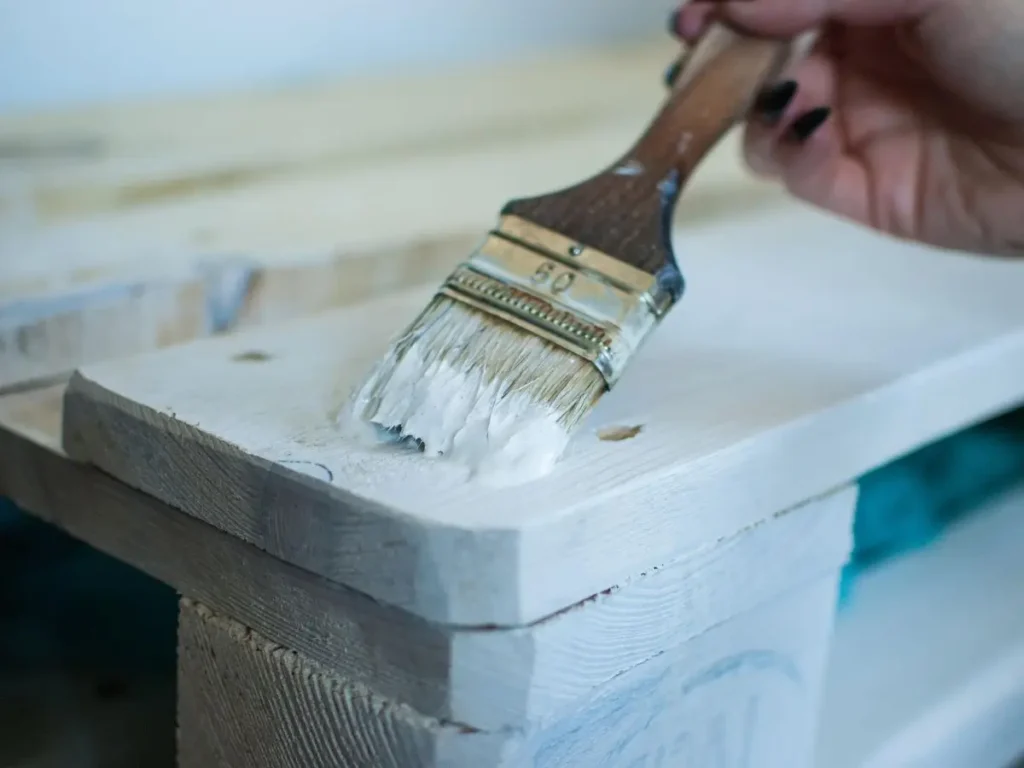
Vintage furniture holds tremendous potential for transformation. That worn-out dresser gathering dust in your garage or the dated chair you inherited from a relative can become stunning focal points in your home with the right approach. The beauty of working with vintage furniture lies in its solid construction and unique character—qualities often missing from modern mass-produced pieces.
Begin by assessing the structural integrity of your furniture. Check for loose joints, damaged wood, or missing hardware. Many pieces simply need tightening or minor repairs to become fully functional again. Once structurally sound, consider the aesthetic direction you want to pursue. Modern transformations often involve stripping away old finishes to reveal beautiful wood grain underneath, which can then be sealed with contemporary clear coats or oils for a minimalist look.
Alternatively, bold paint colors can completely reimagine a piece. Deep jewel tones, matte blacks, or crisp whites can transform traditional furniture into modern statement pieces. Consider using color-blocking techniques, where different sections of the furniture receive contrasting colors, creating visual interest and contemporary appeal. Hardware replacement is another simple yet impactful change—swapping ornate brass handles for sleek leather pulls or geometric metal knobs instantly modernizes any piece.
For those seeking more dramatic transformations, consider altering the furniture’s function entirely. An old dresser can become a bathroom vanity, a vintage door can transform into a headboard, or wooden crates can be stacked and secured to create unique shelving units. These functional transformations not only give old items new purpose but also create conversation pieces that reflect your creativity and resourcefulness.
Glass Jar Recycling: From Kitchen Waste to Decorative Treasure

Glass jars are perhaps the most overlooked treasures in our homes. Whether they once contained pasta sauce, pickles, or jam, these humble containers possess incredible potential for transformation. Their transparency, durability, and variety of shapes make them perfect candidates for creative repurposing.
The simplest transformation involves thorough cleaning and removing labels—soaking jars in warm soapy water usually does the trick. Once pristine, these jars can serve countless purposes. Fill them with layers of dried beans, pasta, or grains to create visually appealing pantry storage that’s both functional and decorative. Add battery-operated fairy lights to create enchanting luminaries for outdoor gatherings or romantic indoor ambiance.
For more elaborate projects, consider decorating the exterior surfaces. Wrap jars with twine or rope, securing with hot glue, to create rustic vases perfect for wildflower arrangements. Paint the outside with chalk paint to create writable labels for kitchen storage or bathroom organization. Use glass etching cream to create frosted patterns or designs, transforming ordinary jars into elegant containers worthy of display.
Glass jars also make excellent terrariums. Layer small pebbles, activated charcoal, potting soil, and miniature plants to create self-contained ecosystems that require minimal maintenance. These living decorations bring nature indoors while giving new purpose to containers that might otherwise end up in landfills. Larger jars can even become aquatic habitats for beta fish or aquatic plants, creating focal points that combine function with natural beauty.
Textile Transformation: Giving Worn Fabrics New Life

Textiles represent another category of everyday items ripe for transformation. That favorite shirt with an irreparable stain, worn-out jeans, or outdated curtains all contain fabric that can be reimagined into something completely new. This approach not only saves money but also allows you to preserve sentimental items in new forms.
Begin by sorting textiles by fabric type and condition. Even heavily worn items often have sections of usable material. Denim from old jeans can become durable tote bags, pot holders, or even upholstery for furniture projects. Soft t-shirts can be cut into strips and braided or crocheted into rugs, baskets, or even yarn for knitting projects. This t-shirt yarn technique has become increasingly popular, allowing crafters to create substantial items from materials they already own.
For those with basic sewing skills, the possibilities expand dramatically. Transform button-down shirts into throw pillow covers, maintaining the buttons as a design feature. Convert vintage scarves into patchwork quilts or table runners that tell a story through their varied patterns and textures. Even fabric scraps too small for larger projects can become stuffing for other textile creations, ensuring nothing goes to waste.
Consider also the decorative potential of fabric transformation. Frame interesting textile sections as wall art, particularly those with beautiful patterns or sentimental value. Use fabric strips to create woven wall hangings or macramé-style pieces that add texture and warmth to your space. The key is viewing fabric not as disposable material but as a versatile medium for ongoing creative expression.
Adapting Everyday Objects for Alternative Uses
Perhaps the most creative aspect of transformation involves reimagining an object’s fundamental purpose. This approach requires looking beyond conventional uses and considering each item’s physical properties—its shape, material, size, and structure—to determine what else it might become.
Kitchen items offer particularly rich opportunities for repurposing. Vintage graters can become unique pendant lights when fitted with electrical components. Muffin tins transform into organizational tools for craft supplies, jewelry, or office materials. Colanders become hanging planters for herbs or cascading plants, their drainage holes serving a new function. Even mismatched silverware can be bent and shaped into hooks, curtain tiebacks, or garden markers.
Ladder repurposing has become especially popular in home décor. Old wooden ladders serve as blanket racks, towel holders, or even as frameworks for shelving units. Positioned horizontally and secured to walls, they become unique display systems for plants, books, or decorative objects. Their linear structure and rustic charm add architectural interest to any space.
Consider also the potential of everyday containers. Tin cans, properly cleaned and edges smoothed, become desktop organizers, planters, or luminaries. Wine corks can be sliced and glued together to create bulletin boards, bath mats, or coasters. Even cardboard boxes and tubes from paper products can be covered with decorative paper or fabric to create custom storage solutions that cost virtually nothing.
Paint as a Transformative Tool
Paint remains one of the most accessible and impactful transformation tools available. A simple coat of paint can completely alter an object’s appearance, mood, and style. Understanding various paint types and techniques expands your transformational capabilities dramatically.
Chalk paint has revolutionized furniture transformation due to its minimal preparation requirements and matte finish that suits contemporary aesthetics. It adheres to most surfaces without sanding or priming, making it ideal for beginners. The finish can be distressed for vintage appeal or sealed smoothly for modern sophistication. Metallic paints offer another dimension, allowing you to create luxurious gold, copper, or silver accents on furniture, frames, or decorative objects.
Spray paint provides even coverage on complex shapes and hard-to-reach areas. It’s particularly effective for transforming metal objects like lamp bases, picture frames, or outdoor furniture. Using spray paint in unexpected colors—like matte black on traditionally gold items or vibrant coral on usually neutral pieces—creates striking contemporary results.
Beyond solid colors, consider decorative painting techniques. Ombre effects, where colors gradually transition from light to dark, add visual interest to everything from vases to dresser fronts. Stenciling allows you to add patterns and designs even without artistic skill. Geometric patterns, botanical motifs, or abstract designs can transform plain surfaces into custom artwork that perfectly matches your aesthetic vision.
Personalizing Mirrors and Frames
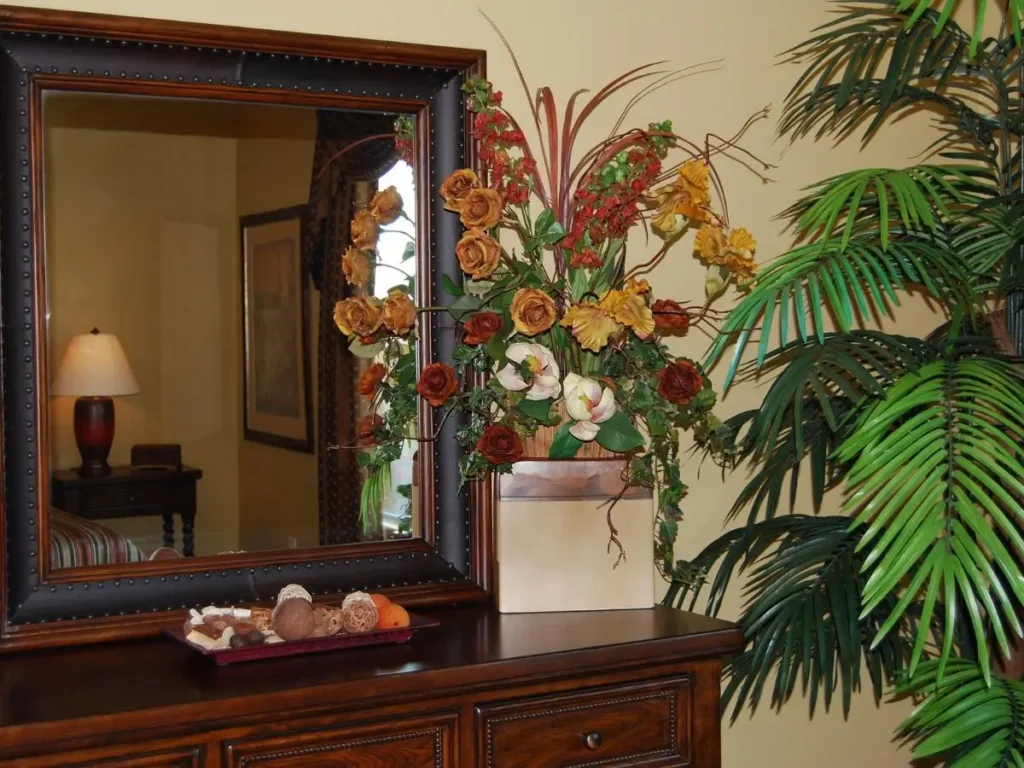
Mirrors and frames are often overlooked as transformation candidates, yet they offer some of the most impactful opportunities for personalization. These items serve functional purposes while also acting as decorative elements, making their transformation particularly valuable.
Basic frames from thrift stores or discount retailers can be elevated through numerous techniques. Wrap frames with natural rope or twine for coastal or rustic appeal. Adhere decorative trim, molding, or even puzzle pieces for textured interest. Cover frames with fabric that complements your room’s palette, securing it with glue and finishing edges neatly for a professional look.
Mirrors can be transformed by altering or replacing their frames entirely. A plain bathroom mirror becomes a design statement when surrounded by a frame constructed from reclaimed wood, decorative tile, or even river rocks embedded in grout. Frameless mirrors can be enhanced by applying decorative corner pieces or by painting designs directly onto the glass edges using glass paint or paint pens.
Creating gallery walls of mismatched frames painted in cohesive colors ties disparate pieces together while maintaining visual interest through varied shapes and sizes. This approach works particularly well for displaying family photos, artwork, or even three-dimensional objects like pressed flowers or collected items from travels.
Transforming everyday items into unique pieces represents more than just a creative hobby or money-saving strategy. It embodies a mindful approach to consumption, encouraging us to see potential rather than waste, possibility rather than obsolescence. Each transformed object tells a story—of creativity, resourcefulness, and personal expression. Whether you’re breathing new life into vintage furniture, reimagining glass jars, reinventing worn textiles, adapting objects for new purposes, applying transformative paint, or personalizing mirrors and frames, you’re participating in a meaningful practice that benefits both your living space and the environment. Start small, experiment freely, and discover the satisfaction of creating truly unique pieces that reflect your individual style and values.