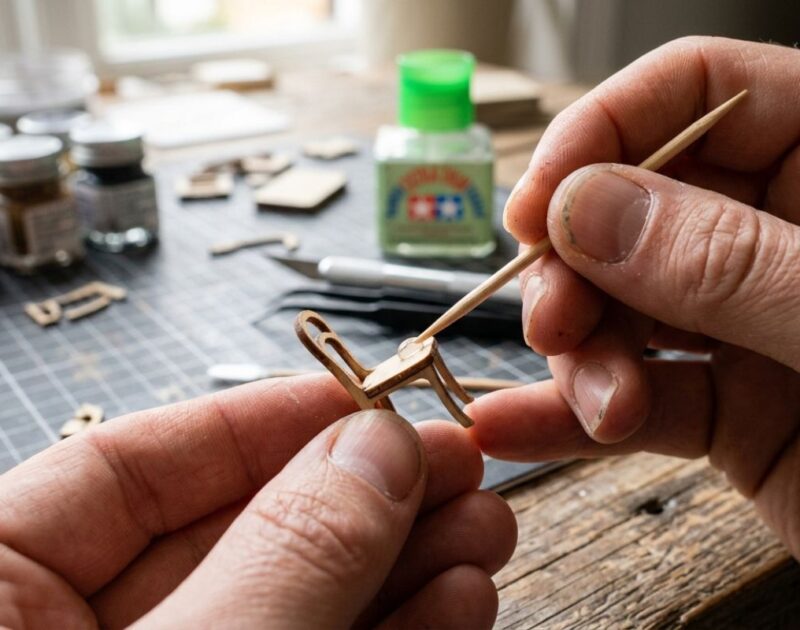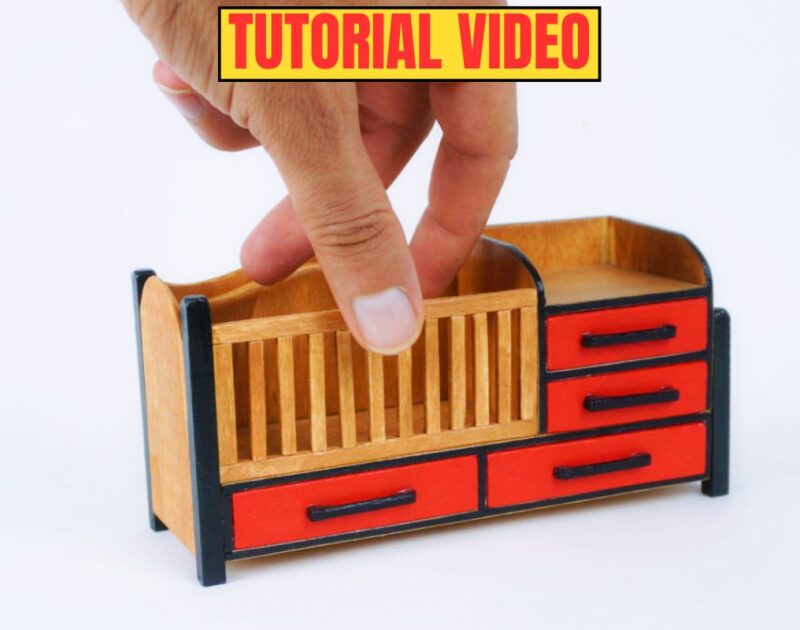
Miniature making is a creative and enjoyable art that requires patience, precision, and attention to detail. Artists use a variety of tools and materials to create small-scale models, decorations, and artistic pieces.
| Product | Buy |
|---|---|
| Rapid Wood Glue |

|
| Needle File |
|
| Sandpaper |
|
| Transparent Brown Stain |
|
| Wood Oil |
|
| Jeweler’s Saw |
|
| Small Table Saw |
|
| 12V Mini Drill |
|
However, many of these tools are sharp or potentially dangerous if not handled properly. Therefore, safety should always come first during the process of making miniatures.
Using Sharp Tools Carefully
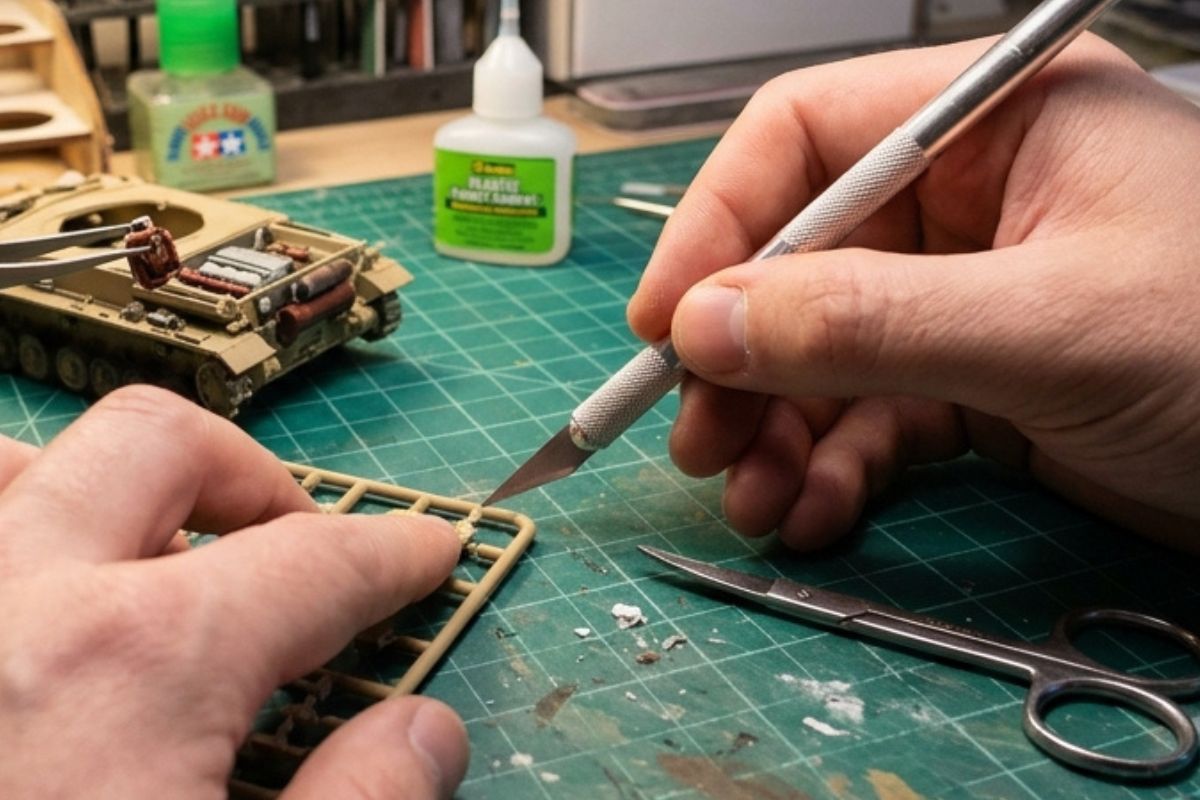
Working with cutting tools such as knives, scissors, needles, and blades is common in miniature crafting. These instruments help shape materials like wood, paper, plastic, and metal. Even though they are essential, improper use can cause injuries such as cuts or punctures. It is important to always cut away from the body and keep fingers at a safe distance from sharp edges.
Handling Materials and Chemicals Safely
In addition to sharp tools, miniature makers often use glue, paints, and chemicals that may release harmful fumes. Working in a well-ventilated area helps reduce the risk of breathing problems or irritation. Wearing protective equipment such as gloves, safety glasses, and masks can provide extra protection while handling hazardous materials.
Maintaining a Safe Workspace
Keeping the workspace clean and organized also plays a major role in safety. Tools should be stored properly after use, and sharp objects should never be left exposed on the table. Good lighting is equally important because it allows artists to work accurately and avoid accidental injuries.
Taking Breaks to Prevent Accidents
Another important rule is to take regular breaks. Long periods of focused work may cause fatigue, which increases the chance of mistakes and accidents. Resting the hands and eyes helps maintain concentration and control while working with delicate tools.
Conclusion
Miniature making combines creativity with technical skill, but it also requires responsibility. By using tools carefully, wearing protective equipment, and maintaining an organized workspace, artists can enjoy their craft safely while following the principle of safety first.