Miniature furniture making is an art that requires precision, patience, and a strong sense of proportion. While many makers focus on visible details such as doors, drawers, or decorative elements, the legs of miniature furniture play a critical role in both aesthetics and stability.
| Product | Buy |
|---|---|
| Rapid Wood Glue |

|
| Needle File |
|
| Sandpaper |
|
| Transparent Brown Stain |
|
| Wood Oil |
|
| Jeweler’s Saw |
|
| Small Table Saw |
|
| 12V Mini Drill |
|
Whether you are creating a tiny table, chair, cabinet, or bed, well-designed legs can elevate your miniature piece from simple to truly realistic. This article explores how to choose the right type of legs, apply correct scales, determine accurate measurements, and finish miniature furniture legs professionally.
Choosing the Right Type of Legs Based on the Furniture Piece
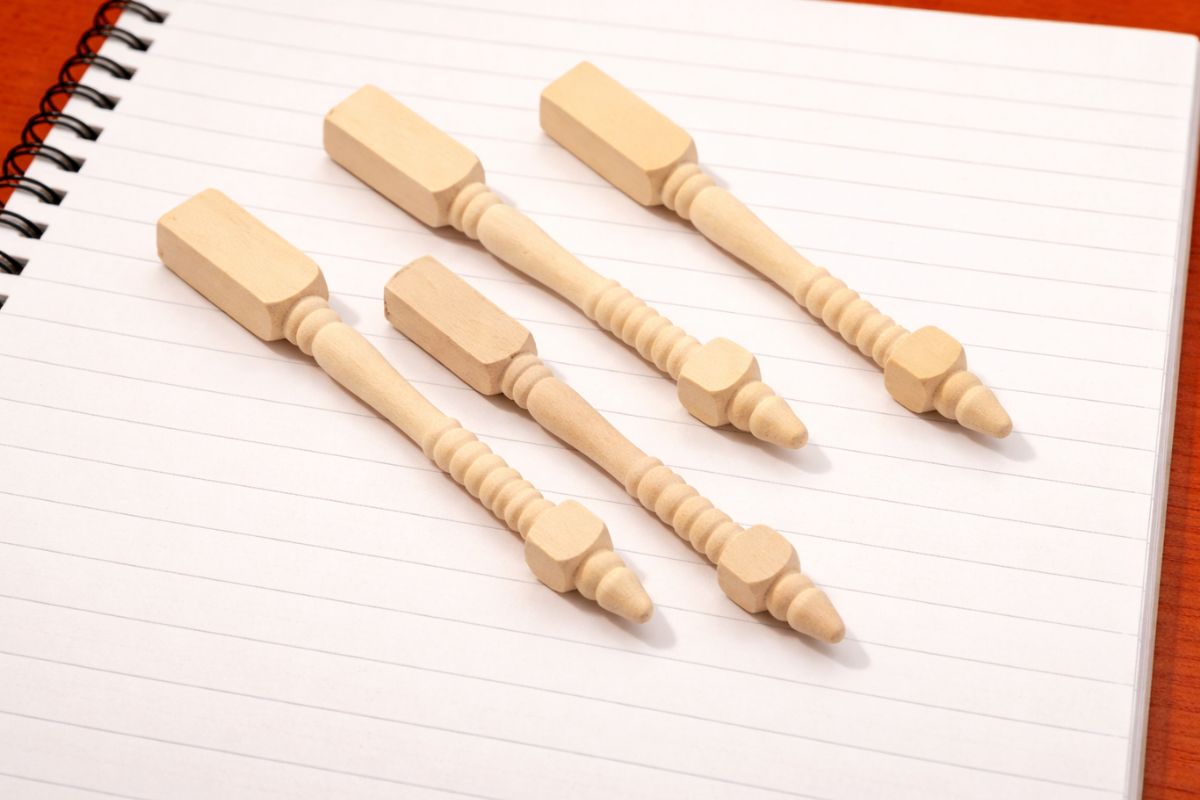
One of the first decisions in miniature furniture design is selecting the appropriate type of legs. Each furniture piece has different functional and visual requirements, and the legs should reflect that.
Standard Scales Used in Miniature Furniture
Scale is the foundation of miniature furniture making. Without accurate scaling, even a beautifully crafted piece can look unrealistic.
The 1:12 Scale – The Most Common Choice
The 1:12 scale is the most widely used scale in dollhouse furniture, where one inch represents one foot in real life. This scale offers a perfect balance between detail and manageability, making it ideal for hobbyists and professionals alike. Most miniature furniture legs are designed with this scale in mind.
Converting Real-Life Measurements to Miniature Scale
To convert real furniture measurements into 1:12 scale, simply divide the real measurement by twelve. For example, if a real table leg is 72 cm tall, the miniature version should be 6 cm. Accurate conversion ensures consistency across all furniture pieces in the same dollhouse.
The Impact of Small Measurement Errors
In miniature work, even a 1 mm error can significantly affect the final appearance. A slightly longer or shorter leg can cause the furniture to tilt or appear unbalanced. This is why careful measuring and double-checking dimensions are essential.
Determining the Correct Leg Length Before Manufacturing
Before cutting or shaping any leg, it is crucial to determine the exact length required.
Relationship Between Furniture Height and Leg Height
The total height of a miniature furniture piece includes both the body and the legs. For example, a table with thick legs will require a shorter tabletop thickness to maintain correct proportions. Planning the relationship between leg height and overall height ensures realism.
Leg Thickness and Design Proportion
Leg thickness must match the style of the furniture. A rustic miniature table may use thicker legs, while a modern or classic design may require slim, refined legs. Inconsistent proportions can make the furniture look unrealistic, even if the measurements are correct.
Measurement Accuracy and Visual Balance
Using precise measuring tools is essential. All legs should be measured together, not individually, to ensure uniformity. Visual balance is achieved when legs align perfectly and support the piece evenly.
The Importance of Making All Legs the Same Length
Uniformity is one of the most critical aspects of miniature furniture construction.
Why Equal Length Matters
When legs are not the same length, the furniture will not stand straight. Even a slight difference can cause wobbling or uneven contact with the surface. In miniature scale, these imperfections are immediately noticeable.
How Small Differences Affect Stability
A difference as small as half a millimeter can tilt a miniature chair or table. This affects not only stability but also the overall realism of the piece. Sanding legs together and checking them on a flat surface helps ensure consistency.
Final Touches for Miniature Furniture Legs
The finishing stage is where miniature furniture truly comes to life.
The Effect of Sanding and Surface Preparation
Sanding removes rough edges and ensures smooth surfaces. Fine sanding is especially important for legs, as they are often touched and closely viewed. Proper sanding also prepares the wood to absorb finishes evenly.
Choosing the Right Color or Wood Oil
The choice between paint, stain, or natural oil depends on the style of the furniture. Natural wood oil enhances grain and gives a realistic finish, while paint can add character or match a dollhouse theme. Applying thin, even coats preserves fine details and avoids a bulky appearance.
Conclusion
Designing and crafting legs for miniature furniture is a precise and rewarding process. From choosing the correct type of legs to applying accurate scales, measuring carefully, and finishing thoughtfully, every step contributes to the final result. By paying close attention to proportions, uniformity, and finishing details, miniature furniture makers can achieve professional-quality pieces that look both realistic and elegant. In the world of miniatures, perfection truly lies in the smallest details.