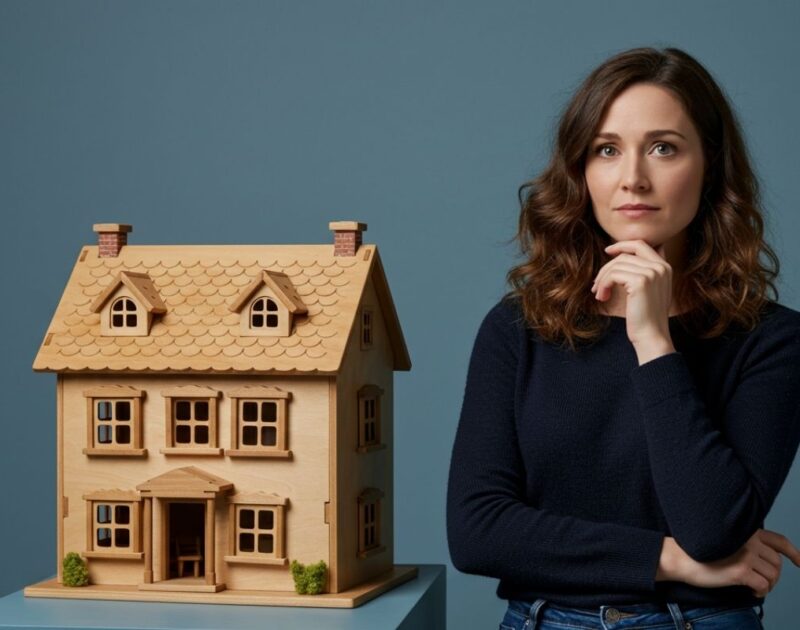
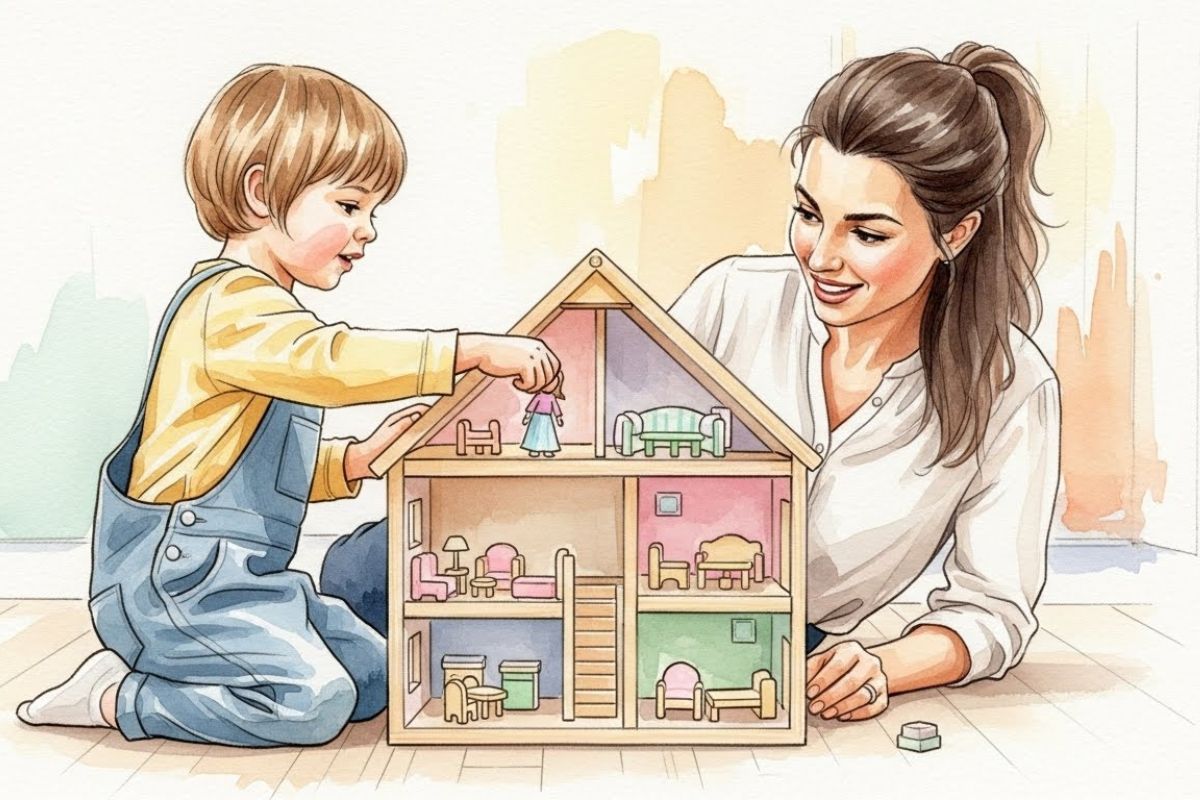
Choosing the right first dollhouse is one of the most exciting decisions for parents who want to encourage creativity, pretend play, and fine motor skills in their children. Dollhouses are more than just toys—they are educational tools that help children explore storytelling, spatial awareness, and emotional expression. However, with the huge variety of styles, materials, prices, and features available, many parents feel overwhelmed.
In this guide, we will walk you through everything you need to know before choosing the right first dollhouse for the child’s age and the family’s budget, ensuring your investment is smart, safe, and perfectly tailored to your little one.
1. Why Choosing the Right First Dollhouse Matters
Selecting a dollhouse that matches your child’s age, interests, and developmental stage is key to ensuring they get the most value from the toy. A dollhouse that is too advanced can frustrate young children, while one that is too simple may bore older kids quickly. Likewise, choosing the right first dollhouse within your family’s budget allows you to give your child a rewarding experience without unnecessary financial stress.
A well-chosen dollhouse becomes a long-term companion—one that grows with the child, develops their imagination, and can even be passed down to future siblings.
2. Consider the Child’s Age and Development Level
Ages 2–3: Simple, Sturdy Dollhouses
At this stage, safety and durability are top priorities. Toddlers need large, chunky furniture pieces that are easy to hold and resistant to breaking. When choosing the right first dollhouse for toddlers:
- Choose wooden dollhouses with rounded edges
- Avoid tiny accessories that may pose choking hazards
- Pick bright colors and simple layouts
- Look for open-front designs that are easy to access
Plastic can be a good low-budget alternative, but wooden dollhouses offer better longevity and sensory experience.
Ages 4–6: Creative Play Expands
Preschoolers are ready for more detailed homes with multiple rooms, furniture sets, and story-building features. For this age:
- Select dollhouses with 3–5 rooms
- Include simple miniature furniture
- Choose themes (modern home, fairy house, cottage, etc.)
- Look for stable houses that children can move during play
This is a great age to introduce DIY furniture kits, boosting creativity and problem-solving.
Ages 7–10: High Detail and Personalization
Older children enjoy customizing, decorating, and building parts of their dollhouse. For this stage:
- Choose dollhouses with fine details
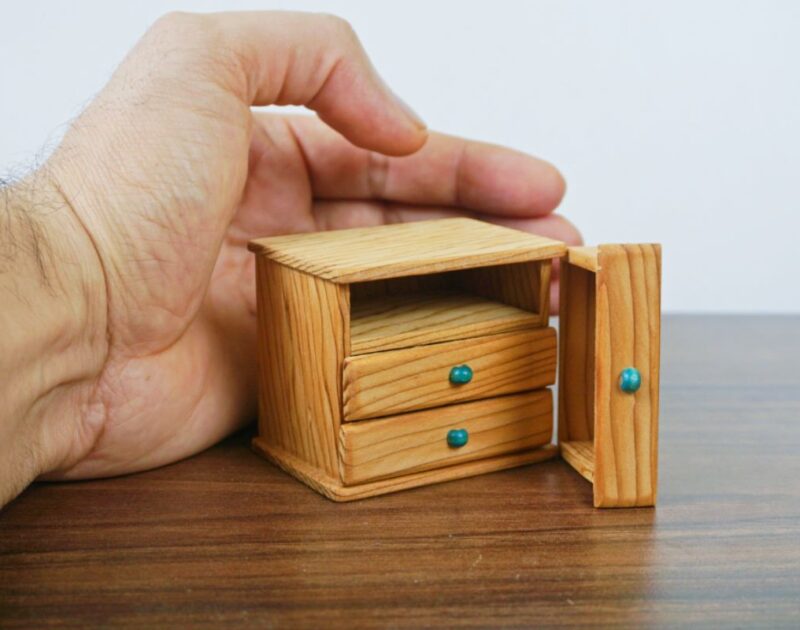
- Introduce DIY miniature furniture and accessories
- Allow children to experiment with paint, wallpaper, and lighting
- Consider scale: 1:12 and 1:24 are popular for crafting
Here, the child begins to treat the dollhouse more like a hobby rather than just a toy.
Ages 10+: A Future Miniaturist in the Making
If your child has shown strong interest in miniature crafts, building, or designing rooms, this age opens the door to more advanced houses.
- Choose fully customizable wooden kits
- Introduce electrical lighting sets
- Explore themed houses (Victorian, Modern, Farmhouse)
- Encourage them to design their own furniture and décor
Teenagers often use dollhouses as a form of artistic expression, and choosing the right first dollhouse can spark a long-term passion.
3. Think About Your Family’s Budget
Budget plays a major role when choosing the right first dollhouse. Fortunately, there are great options at every price point.
Budget-Friendly Options ($20–$80)
Perfect for toddlers or first-time buyers. These dollhouses may be plastic or lightweight wood and include basic furniture.
Best for:
✔ Ages 2–5
✔ Casual play
✔ Families looking for affordable but fun toys
Mid-Range Options ($80–$200)
Most families prefer this category because it offers excellent quality, wooden structures, and more details.
Best for:
✔ Ages 4–10
✔ Children who love decorating
✔ Parents looking for long-term durability
Premium Dollhouses ($200–$600+)
These are collector-grade houses with high craftsmanship, multiple floors, and full customization.
Best for:
✔ Serious miniatures hobby
✔ High-detail scenes
✔ Families investing in long-term creative development
Remember: You don’t need the most expensive dollhouse. The value comes from how much your child enjoys it, not the price tag.
4. Choose the Best Material: Wood or Plastic?
Wooden Dollhouses
- Durable and long-lasting
- Eco-friendly
- Excellent for detailed crafting
- Look more realistic and premium
Ideal for children 4+ or for families who want a keepsake toy.
Plastic Dollhouses
- More affordable
- Lightweight
- Easy for toddlers to handle
Best for ages 2–4 and families on a tight budget.
5. Pay Attention to Size and Space
Before choosing the right first dollhouse, consider where it will be placed in your home.
Small Spaces
- Choose compact, vertical dollhouses
- Foldable and portable versions are great
Medium to Large Spaces
- Choose wide, multi-room houses
- Allow space around the dollhouse for play
Pro Tip: Always check the scale if buying accessories.
Common scales:
- 1:12 (most common for detailed miniatures)
- 1:24 (smaller but still practical)
6. Furniture and Accessories: Should You Buy Them Now or Later?
Some dollhouses come fully furnished; others require accessories to be purchased separately. A budget-friendly strategy when choosing the right first dollhouse:
Start Simple
Buy only essential furniture:
✔ Bed
✔ Sofa
✔ Table and chairs
✔ Kitchen set
Let the child add more pieces over time. This approach keeps the experience exciting and spreads the investment.
For Crafty Families
If you enjoy DIY projects, you can make furniture from:
- Balsa wood
- Popsicle sticks
- Cardboard
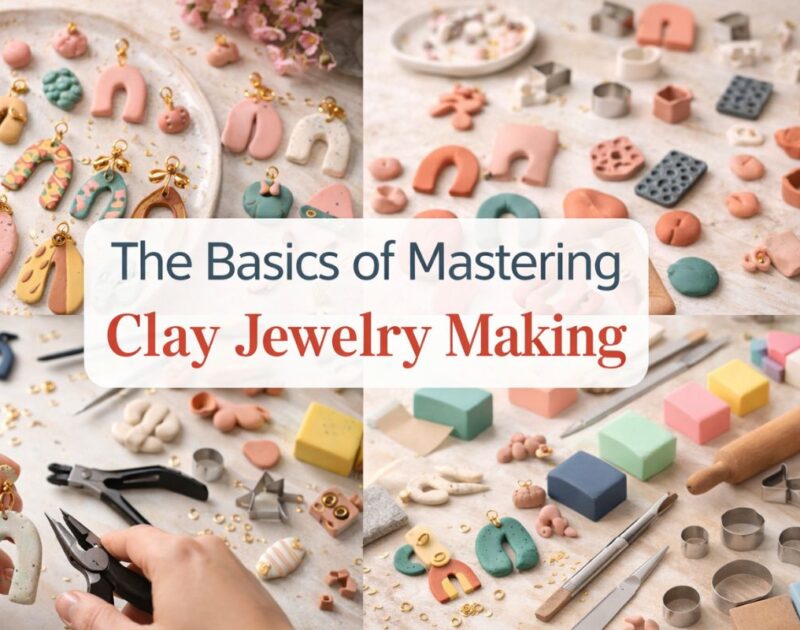
- Polymer clay
This creates bonding moments and boosts your child’s creativity.
7. Safety Features to Always Check
When choosing the right first dollhouse for a child:
- Ensure there are no sharp edges
- Avoid pieces smaller than a toddler’s mouth
- Check paint is non-toxic
- Make sure the dollhouse is sturdy and stable
For young children, safety is more important than style or detail.
8. Final Tips for Choosing the Right First Dollhouse
- Match age with complexity: The younger the child, the simpler the house.
- Don’t overspend early: Start small and upgrade later as interest grows.
- Think long-term: Wooden houses last for years.
- Include the child in the decision: Let them pick colors or themes.
- Focus on fun: The goal is joyful play and creativity.
Conclusion
Choosing the right first dollhouse for the child’s age and the family’s budget is all about balance. Consider the child’s developmental stage, how durable you want the dollhouse to be, the amount of space you have, and the type of play your child enjoys. Whether you choose a simple toddler-friendly model or a deluxe wooden dollhouse for older kids, the most important thing is that it inspires imagination, storytelling, and hours of joyful play.
A well-chosen dollhouse becomes more than just a toy—it becomes a memory, a creative tool, and possibly the beginning of a lifelong love for miniatures.
If you want more guides on dollhouse furniture, DIY miniature crafts, and beginner-friendly tutorials, feel free to check the rest of the blog!