Miniature making is more than just a hobby—it’s a creative journey that combines craftsmanship, patience, and imagination. Whether you dream of building tiny furniture, dollhouses, or detailed scenes, getting started may feel overwhelming at first. This guide will walk you through everything you need to begin your miniature-making journey from scratch.
What Is Miniature Making?
Miniature making is the art of creating small-scale versions of real-life objects. These can range from dollhouse furniture and tiny kitchens to realistic street scenes and decorative items. The goal is to replicate real objects with high attention to detail, often in scales like 1:12 or 1:24.
This craft is popular among artists, collectors, and DIY enthusiasts because it allows you to express creativity in a unique and detailed way.
Why Start Making Miniatures?
There are many reasons why people fall in love with miniature crafting:
- Creative expression: You can design and build anything you imagine
- Relaxation: It’s a calming activity that reduces stress
- Low startup cost: Basic tools and materials are affordable
- Business potential: Handmade miniatures can be sold online
If you already enjoy handmade crafts, miniature making is a natural next step.
Essential Tools for Beginners
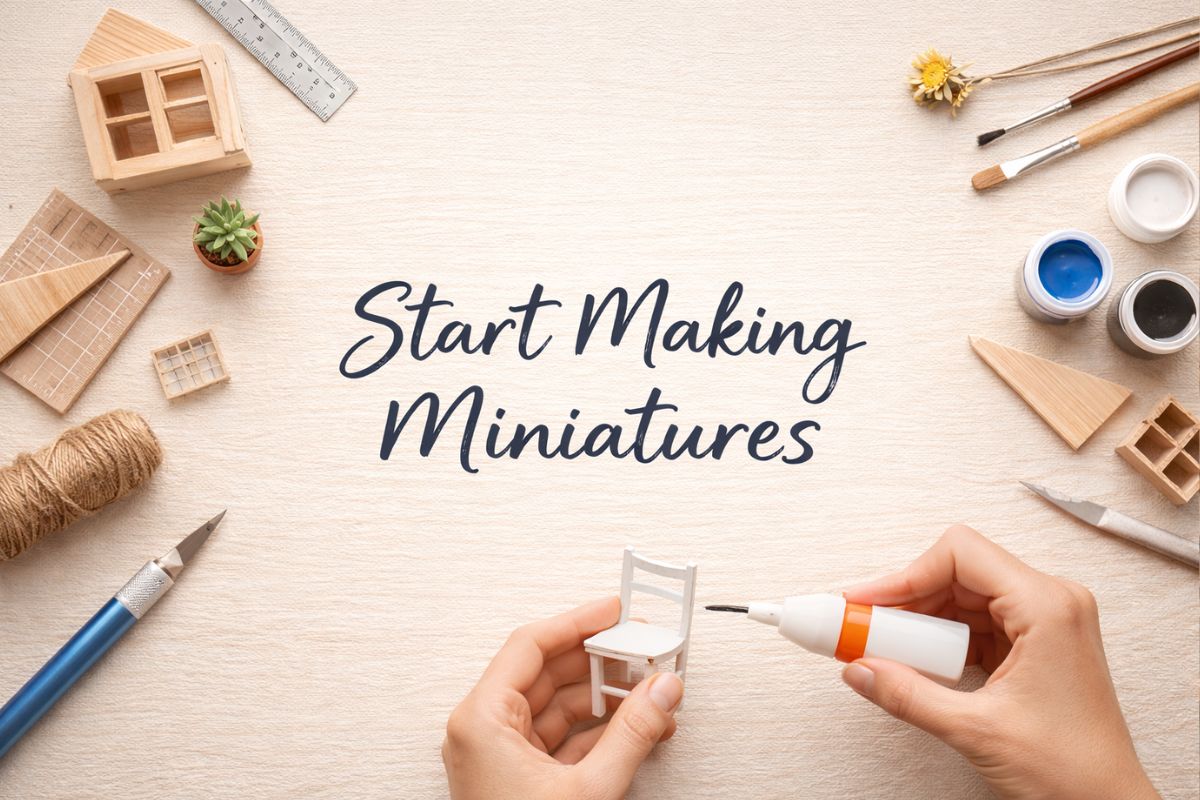
Before you start, you’ll need a few basic tools. The good news is you don’t need anything expensive at the beginning.
Must-have tools:
- Craft knife (precision cutting)
- Scissors
- Metal ruler
- Tweezers (for small pieces)
- Glue (wood glue + super glue)
- Cutting mat
As you progress, you can invest in advanced tools like rotary cutters or mini drills.
Basic Materials You’ll Use
Miniature making uses simple and accessible materials. Many of them can even be recycled.
Common materials:
- Wood (balsa or plywood)
- Cardboard
- Paper and cardstock
- Fabric scraps
- Clay (air-dry or polymer)
- Paint and brushes
Start simple. You don’t need premium materials to create beautiful miniatures.
Choosing Your First Project
One of the biggest mistakes beginners make is starting with something too complex. Keep it simple.
Beginner-friendly ideas:
- Mini chair or table
- Tiny bookshelf
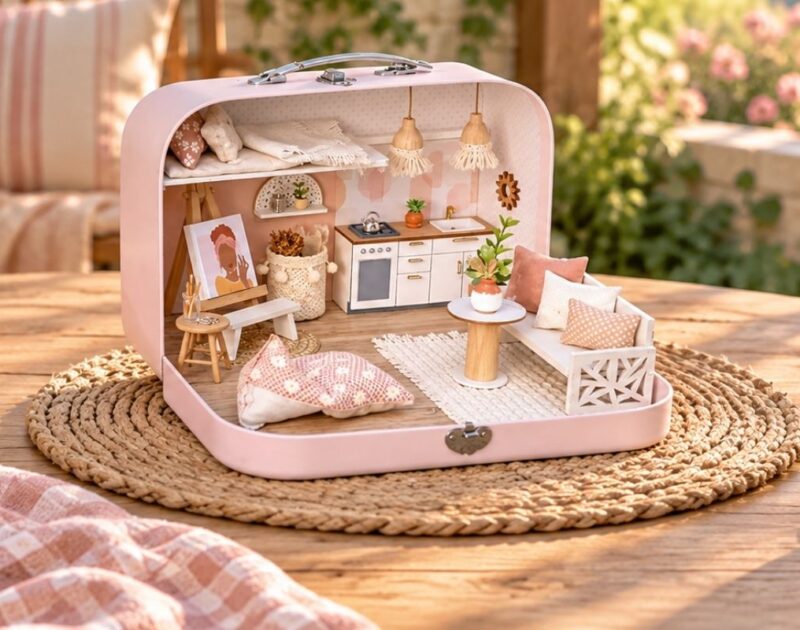
- Simple dollhouse room
- Decorative items (plants, frames, lamps)
Starting small helps you learn techniques without getting frustrated.
Understanding Scale
Scale is one of the most important concepts in miniature making.
Common scales:
- 1:12 scale → Most popular (1 inch = 1 foot)
- 1:24 scale → Smaller and more detailed
- 1:6 scale → Larger, often used for action figures
Choosing one scale and sticking to it ensures your miniatures look realistic and consistent.
Step-by-Step: Your First Miniature
Here’s a simple process to follow:
- Plan your design
Sketch your idea or find inspiration online - Measure carefully
Accuracy is key in miniatures - Cut materials
Use a craft knife for precision - Assemble pieces
Glue parts slowly and carefully - Paint and detail
Add colors, textures, and finishing touches - Let it dry
Patience is essential for a clean result
Tips for Realistic Miniatures
If you want your miniatures to look professional, focus on details.
- Use thin layers of paint
- Add textures (wood grain, fabric folds)
- Avoid oversized elements
- Study real-life objects for inspiration
- Keep everything in proportion
Realism comes from observation and practice.
Common Beginner Mistakes
Avoid these mistakes to improve faster:
- Starting with complex projects
- Using too much glue
- Ignoring scale measurements
- Rushing the process
- Expecting perfection immediately
Remember: mistakes are part of learning.
Where to Find Inspiration
Inspiration is everywhere. Here are some great sources:
- Pinterest (miniature ideas and tutorials)
- YouTube DIY channels
- Handmade marketplaces
- Real-life interiors and furniture
You can also create your own designs based on everyday objects around you.
Can You Turn Miniatures Into a Business?
Yes! Many creators turn this hobby into a profitable business.
Ways to earn:
- Sell on Etsy or social media
- Create custom dollhouse furniture
- Offer tutorials or courses
- Build a personal brand
Since you already have interest in handmade crafts, this could be a great opportunity to grow your creative business.
Final Thoughts
Starting miniature making from scratch doesn’t require expensive tools or advanced skills. What you really need is patience, creativity, and consistency.
Begin with simple projects, learn from your mistakes, and improve step by step. Over time, your skills will grow—and so will your confidence.
Miniature making is not just about creating small objects. It’s about building tiny worlds full of imagination and detail.