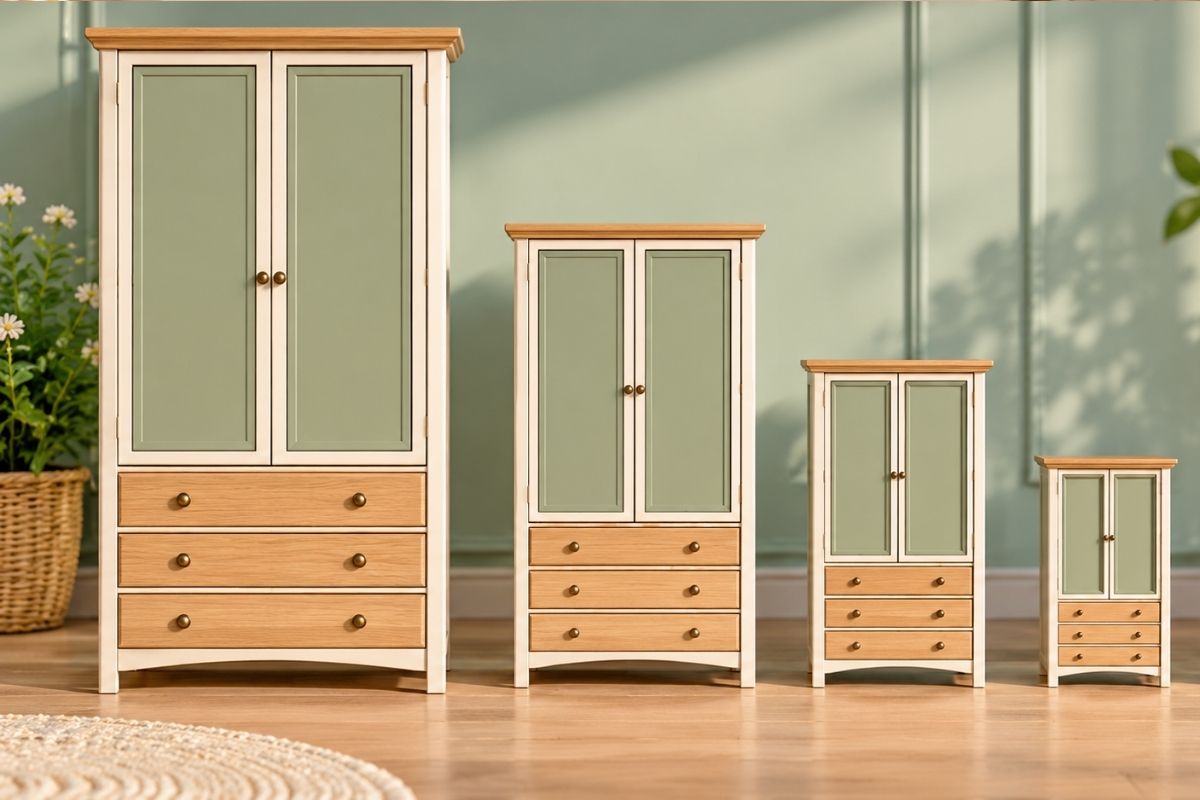
Walk into the world of miniatures and one question comes up almost immediately: what scale should you actually buy or build in? Miniatures aren’t a single standard size — they’re made in a handful of common scales, and each one fits a different purpose. Picking the wrong one can mean a dollhouse chair that looks awkward next to your dolls, or a diorama piece too small to photograph well.
This guide breaks down the most popular miniature scales and matches each one to the use case it suits best, so you can choose with confidence before you buy or build.
Why Scale Matters More Than You Think
Every miniature scale is expressed as a ratio, like 1:12 or 1:24. That ratio simply means how many times smaller the miniature is compared to the real-life object. A 1:12 scale chair, for example, is twelve times smaller than an actual chair.
The tricky part is that miniatures made in different scales don’t mix well visually — a 1:12 table next to a 1:24 lamp will look mismatched, even if both pieces are beautifully made. That’s why the very first decision in any miniature project should be the scale, not the pieces themselves.
1:12 Scale — The Classic Dollhouse Standard
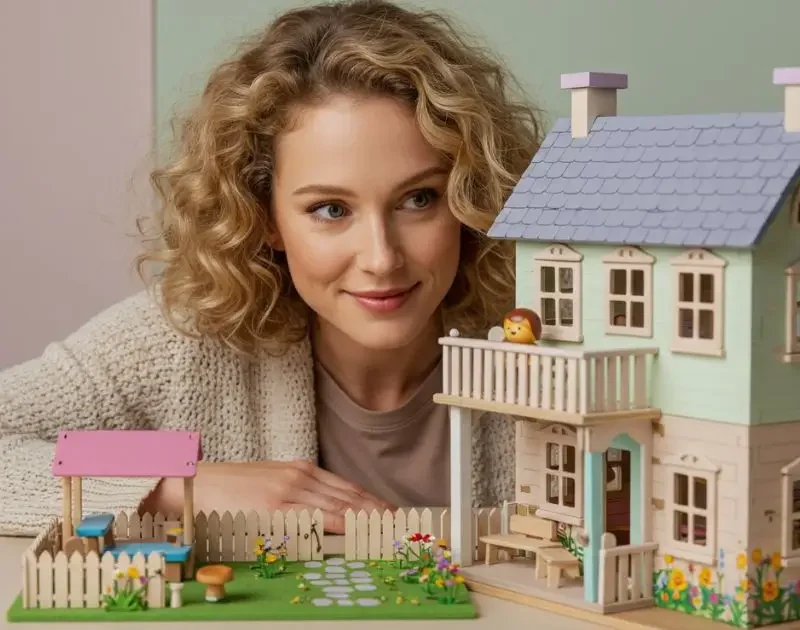
1:12 is the most widely used miniature scale in the world, and for good reason: it’s the traditional dollhouse size. A 1:12 scale room box mimics real furniture proportions closely enough that pieces feel believable, yet the scale is large enough to allow fine detail work — tiny drawer handles, upholstery stitching, or wood grain texture.
Best for:
- Traditional dollhouses and dollhouse furniture
- Detailed miniature room boxes
- Collectors who want maximum realism and detail
- Beginners, since supplies, tutorials, and templates are the most widely available in this scale
1:6 Scale — Big, Bold, and Great for Display
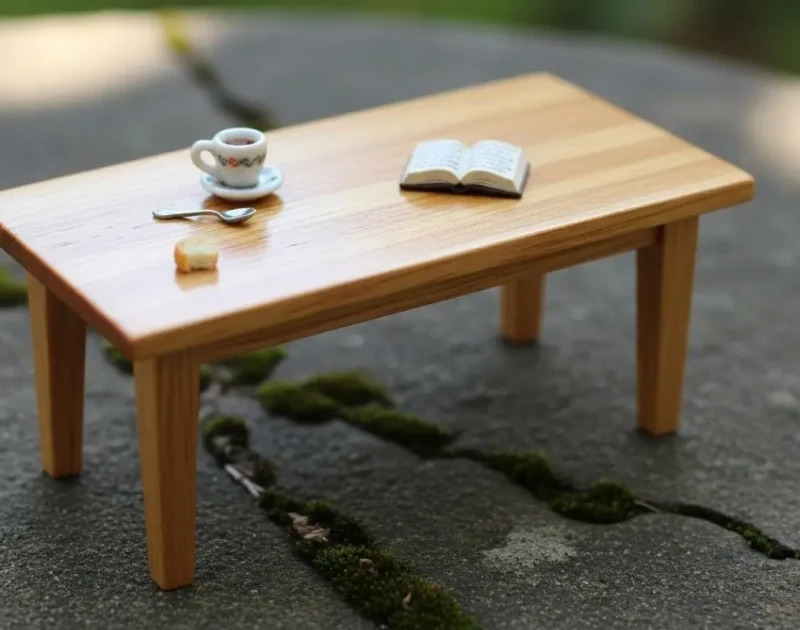
1:6 scale is significantly larger, making it popular with fashion doll collectors and hobbyists who want their miniatures to double as display pieces. Because the pieces are bigger, this scale is more forgiving for handmade projects and allows more visible craftsmanship, like carved wood details or hand-painted finishes.
Best for:
- Fashion doll furniture and accessories
- Statement display pieces meant to be viewed up close
- Handmade wood or clay pieces where texture and craftsmanship should stand out
- Photography-focused projects, since details read clearly on camera
1:24 Scale — Compact and Space-Saving
Half the size of 1:12, this scale is a favorite among collectors who love the dollhouse aesthetic but don’t have room for a full-sized dollhouse. It’s also popular for architectural models and shadow-box style displays.
Best for:
- Small-space collectors and shadow box displays
- Architectural or room-box style projects
- Building a large “house” or scene without the footprint of 1:12
1:48 and Smaller — For Micro-Miniature Enthusiasts
At 1:48 scale and beyond, miniatures shrink dramatically — a whole dollhouse can fit inside a matchbox. This scale is generally reserved for highly experienced miniaturists, since the small size demands precision tools and steady hands.
Best for:
- Advanced hobbyists chasing a technical challenge
- Extremely compact display pieces (charms, keychains, jewelry)
- Novelty or “world in a box” style projects
How to Choose the Right Scale for Your Project
If you’re still unsure which size fits your plans, ask yourself these questions:
- What will the miniature be used with? If you already own dolls, a dollhouse, or existing furniture pieces, match your new pieces to that scale first — consistency matters more than personal preference.
- How much detail do you want to include? Larger scales like 1:6 and 1:12 make it easier to add fine details by hand. Smaller scales like 1:48 require more precision and patience.
- How much space do you have? If display space is limited, 1:24 or smaller scales let you build bigger scenes in a smaller footprint.
- Is this for display, play, or collecting? Play-focused pieces benefit from slightly larger, sturdier scales, while display-only collections can go as small and delicate as you like.
Final Thoughts
There’s no single “correct” miniature scale — only the one that fits your project, your space, and your skill level. 1:12 remains the safest starting point for most beginners thanks to its balance of detail and workability, while 1:6, 1:24, and smaller scales each open the door to different styles of miniature-making. Once you settle on a scale, stick with it across a project: consistency is what makes a miniature scene feel real.