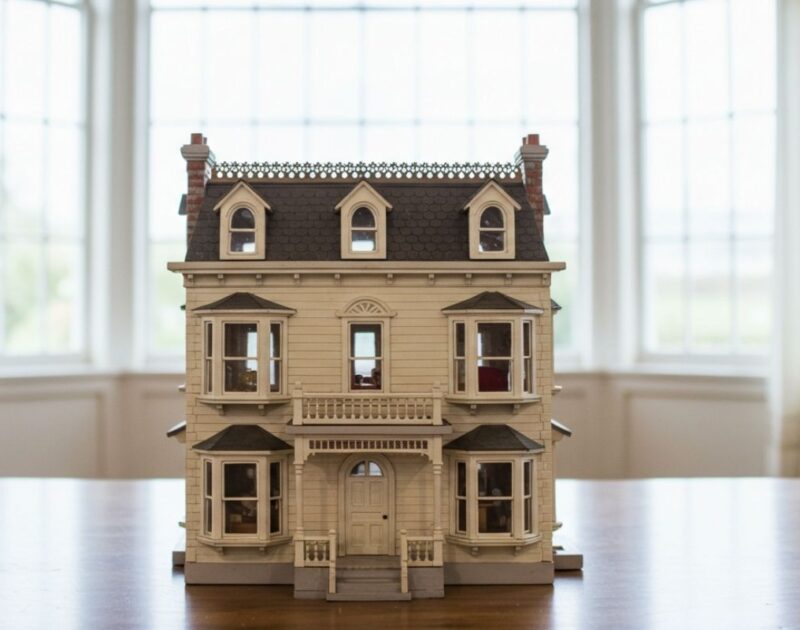
In today’s world, where urban living often means compact apartments and smaller houses, making the most of every square foot has become essential. Whether you’re living in a studio apartment, a tiny house, or simply want to optimize your home’s layout, smart space utilization can transform cramped quarters into comfortable, functional living areas. This comprehensive guide explores innovative solutions and practical strategies for maximizing small spaces without sacrificing style or comfort.
Understanding the Challenge
Small spaces present unique challenges that require creative thinking and strategic planning. The primary issues include limited storage, the need for multifunctional areas, and the psychological impact of feeling cramped. However, with the right approach, a small home can feel spacious, organized, and inviting. The key lies in understanding that every inch matters and that clever design choices can create the illusion of more space while actually providing more functionality.
Vertical Space: Your Greatest Untapped Resource
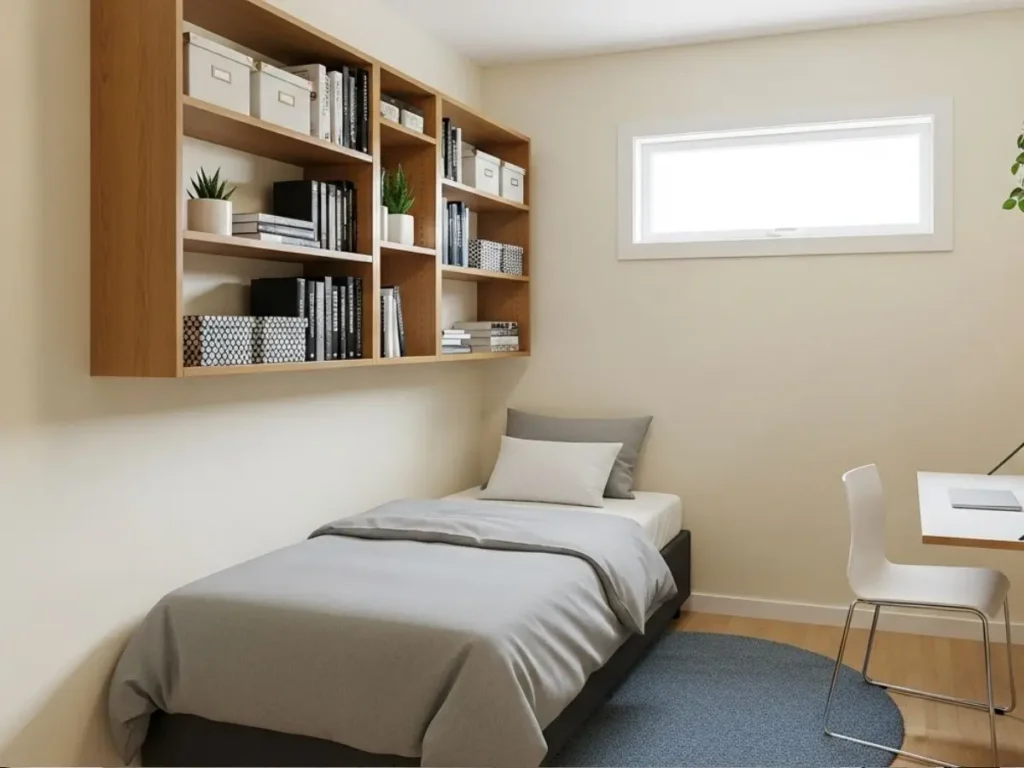
One of the most overlooked opportunities in small homes is vertical space. While floor space may be limited, walls and ceiling height offer tremendous potential. Installing floor-to-ceiling shelving units can dramatically increase storage capacity without consuming valuable floor area. These vertical storage solutions work exceptionally well in kitchens, living rooms, and home offices.
Wall-mounted cabinets and floating shelves serve dual purposes: they provide storage while keeping the floor clear, which makes rooms appear larger. In the kitchen, magnetic knife strips, hanging pot racks, and wall-mounted spice organizers free up counter and cabinet space. Bedrooms benefit from tall wardrobes that extend to the ceiling, utilizing space that would otherwise remain empty.
Consider installing hooks and pegboards on walls and even behind doors. These simple additions can hold everything from coats and bags to kitchen utensils and craft supplies. The vertical approach extends to furniture as well—loft beds create usable space underneath for desks, seating areas, or additional storage.
Multifunctional Furniture: Working Smarter, Not Harder
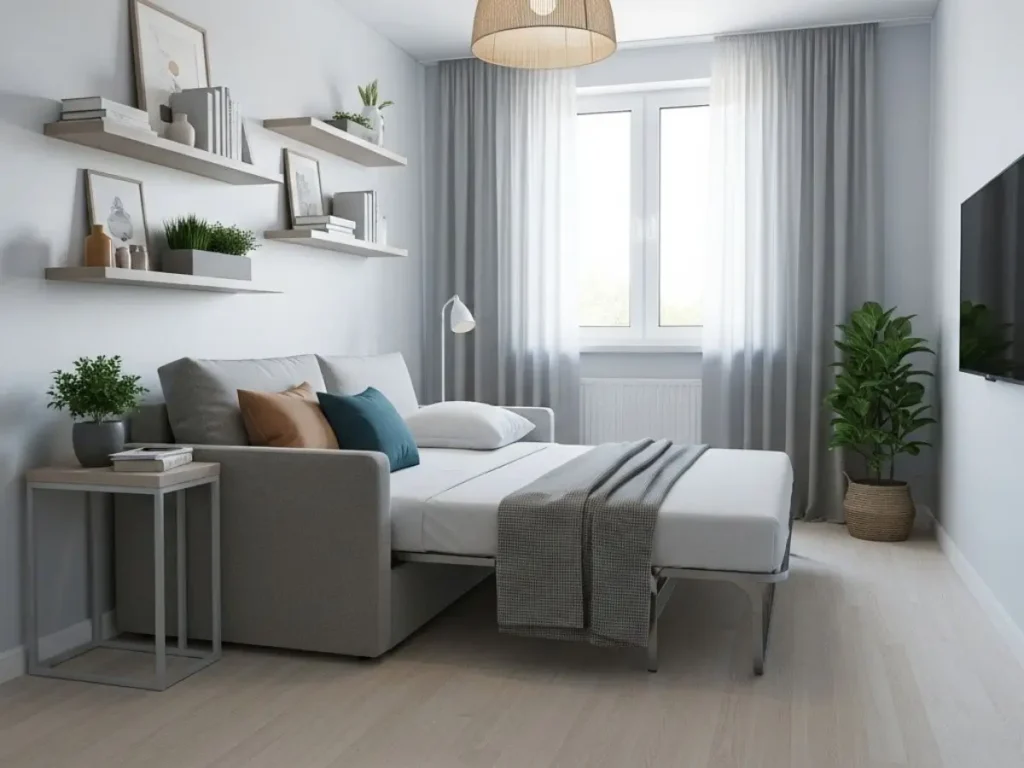
Investing in multifunctional furniture is perhaps the single most effective strategy for small space living. These pieces serve multiple purposes, eliminating the need for separate items and reducing clutter. A sofa bed transforms your living room into a guest bedroom when needed. Ottoman storage benches provide seating while hiding away blankets, books, or toys inside.
Expandable dining tables can accommodate dinner parties yet fold down to a fraction of their size for everyday use. Murphy beds, which fold up into the wall, have evolved far beyond their utilitarian origins and now come in stylish designs that incorporate desks, shelving, or even sofas in their folded position.
Consider nesting tables that stack together when not in use, fold-down desks that create a workspace on demand, or coffee tables with lift-tops that double as dining surfaces or work desks. These smart furniture choices allow rooms to adapt to different needs throughout the day without requiring permanent space allocation for each function.
Strategic Storage Solutions
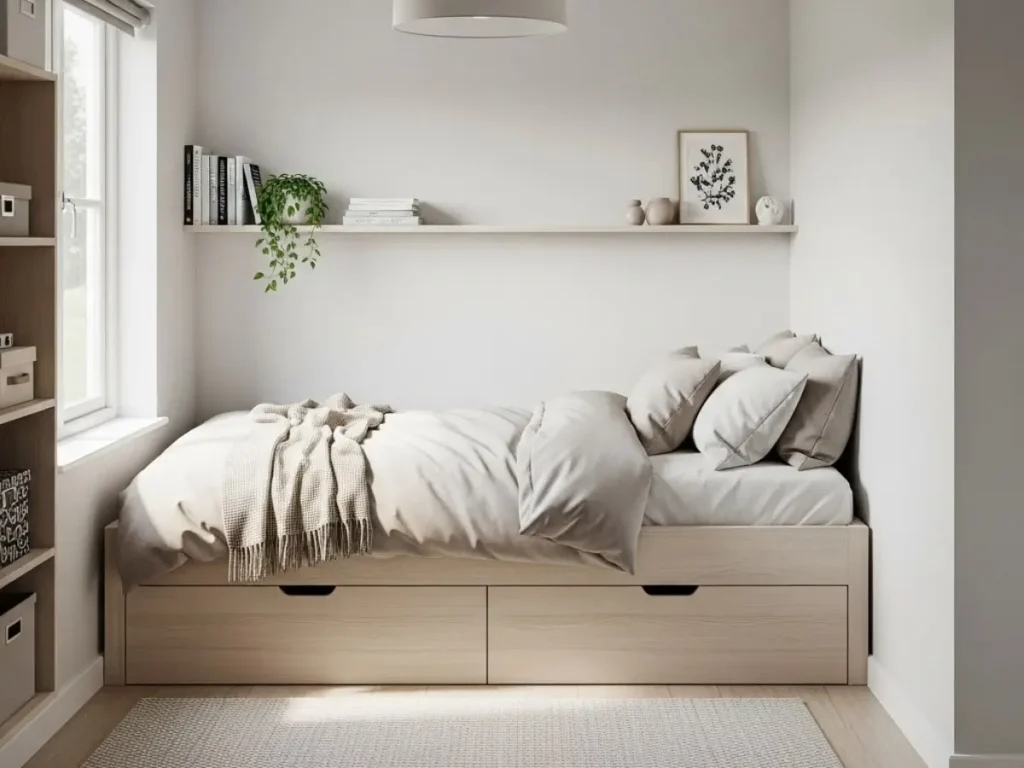
Effective storage is the cornerstone of small space living. The goal is to maximize storage capacity while maintaining accessibility and aesthetic appeal. Under-bed storage is a classic solution that remains highly effective—whether using rolling drawers, vacuum-sealed bags, or purpose-built storage containers, the space beneath your bed can hold seasonal clothing, extra linens, or rarely used items.
Built-in storage solutions, though sometimes requiring initial investment, provide seamless integration with your home’s architecture. Window seats with hidden storage, staircase drawers, and custom closet systems maximize every available nook and cranny. For renters or those on a budget, modular storage systems offer flexibility and can be reconfigured as needs change.
Don’t overlook unconventional storage locations. The space above doorways can accommodate narrow shelves, the area behind doors can hold over-the-door organizers, and the sides of cabinets or refrigerators can feature magnetic or adhesive storage solutions. Even the insides of cabinet doors can be fitted with racks for spices, cleaning supplies, or accessories.
Creating Zones in Open Spaces
In small homes, especially studio apartments, creating distinct zones for different activities helps organize the space psychologically and functionally. Room dividers don’t have to be solid walls—bookshelf units, curtains, folding screens, or even strategically placed furniture can delineate areas for sleeping, working, and relaxing.
Area rugs serve as excellent visual boundaries, defining spaces without physically blocking them. Different lighting schemes for each zone also help distinguish areas: brighter task lighting for work areas, softer ambient lighting for relaxation spaces, and focused lighting for reading nooks. This layered approach to lighting not only serves practical purposes but also adds depth and interest to the room.
Color and Light: Creating Spatial Illusions
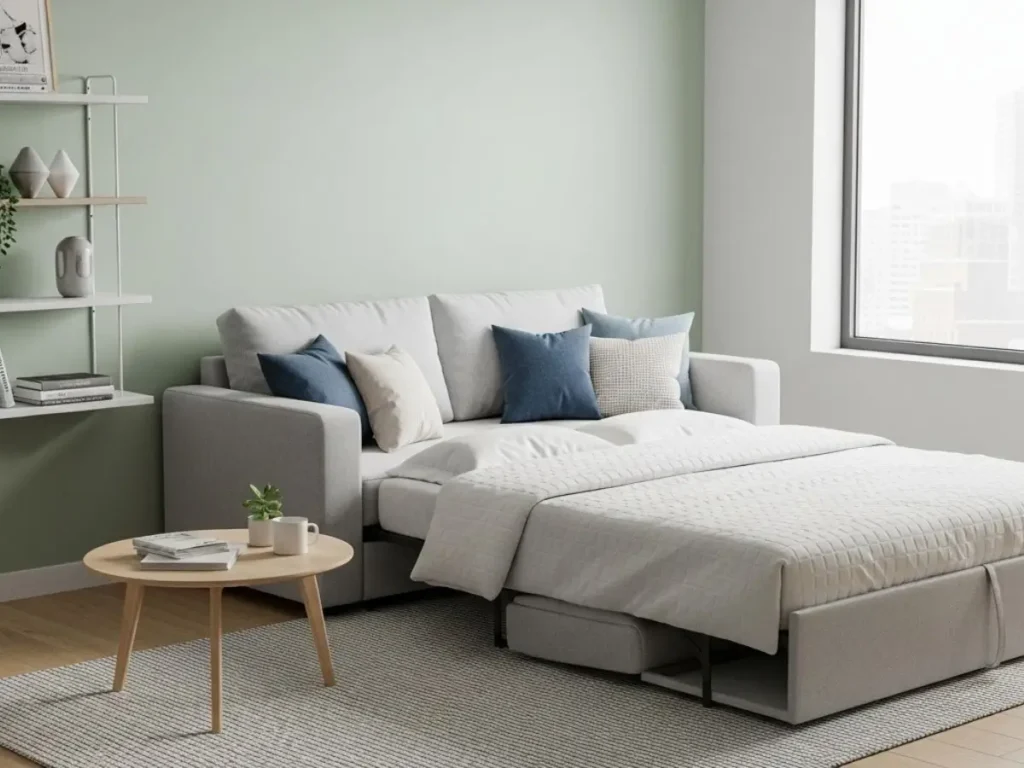
The psychological impact of color and light on perceived space cannot be overstated. Light, neutral colors on walls make rooms feel larger and more open by reflecting light. This doesn’t mean your space must be boring—accent walls, colorful accessories, and artwork can add personality without overwhelming the space.
Maximizing natural light is crucial. Keep window treatments minimal or opt for sheer curtains that provide privacy while allowing light to filter through. Mirrors strategically placed opposite windows amplify natural light and create the illusion of depth. Large mirrors or mirrored furniture pieces can make a room feel nearly twice its actual size.
Artificial lighting should be layered and adjustable. Overhead lighting combined with task lighting and accent lighting creates flexibility for different activities and moods. Wall-mounted lights and pendant fixtures free up floor and table space while providing adequate illumination.
Decluttering and Minimalism
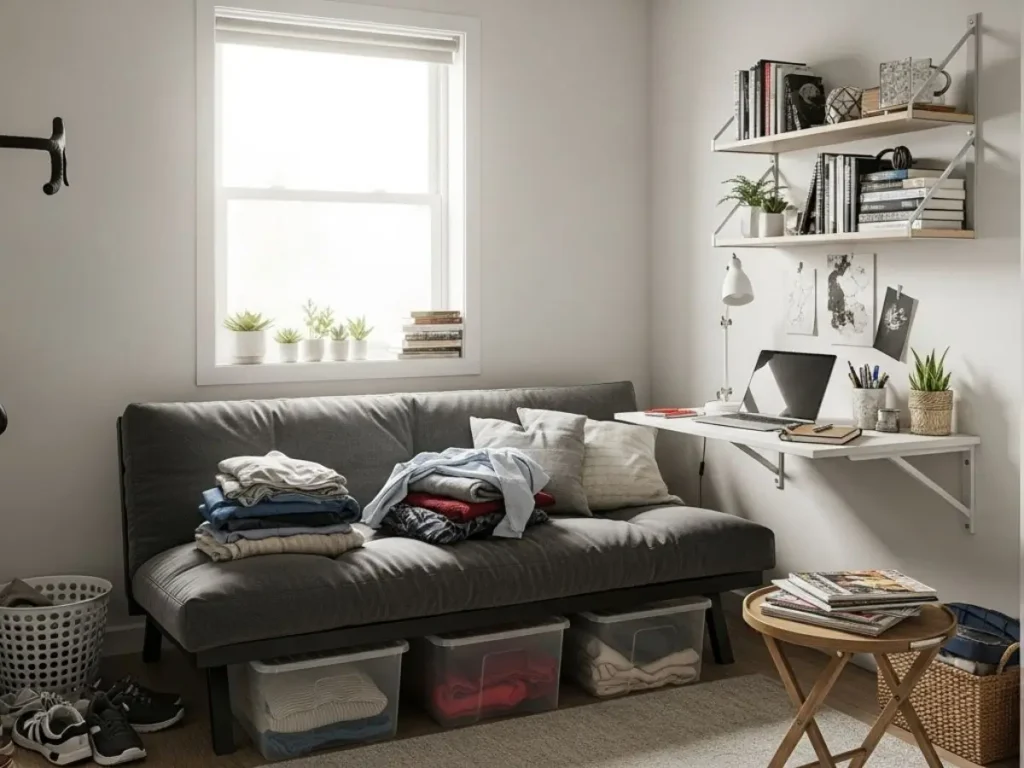
Perhaps the most important principle for small space living is maintaining a clutter-free environment. Regular decluttering sessions help prevent accumulation of unnecessary items. Adopt a “one in, one out” policy where acquiring something new means letting go of something old. This disciplined approach prevents gradual overcrowding.
Embrace minimalism not as deprivation but as intentional living. Keep only items that serve a purpose or bring joy. Digital solutions can reduce physical clutter—consider e-books instead of physical books, digital photos instead of albums, and online bill payment instead of paper statements.
Outdoor Extensions
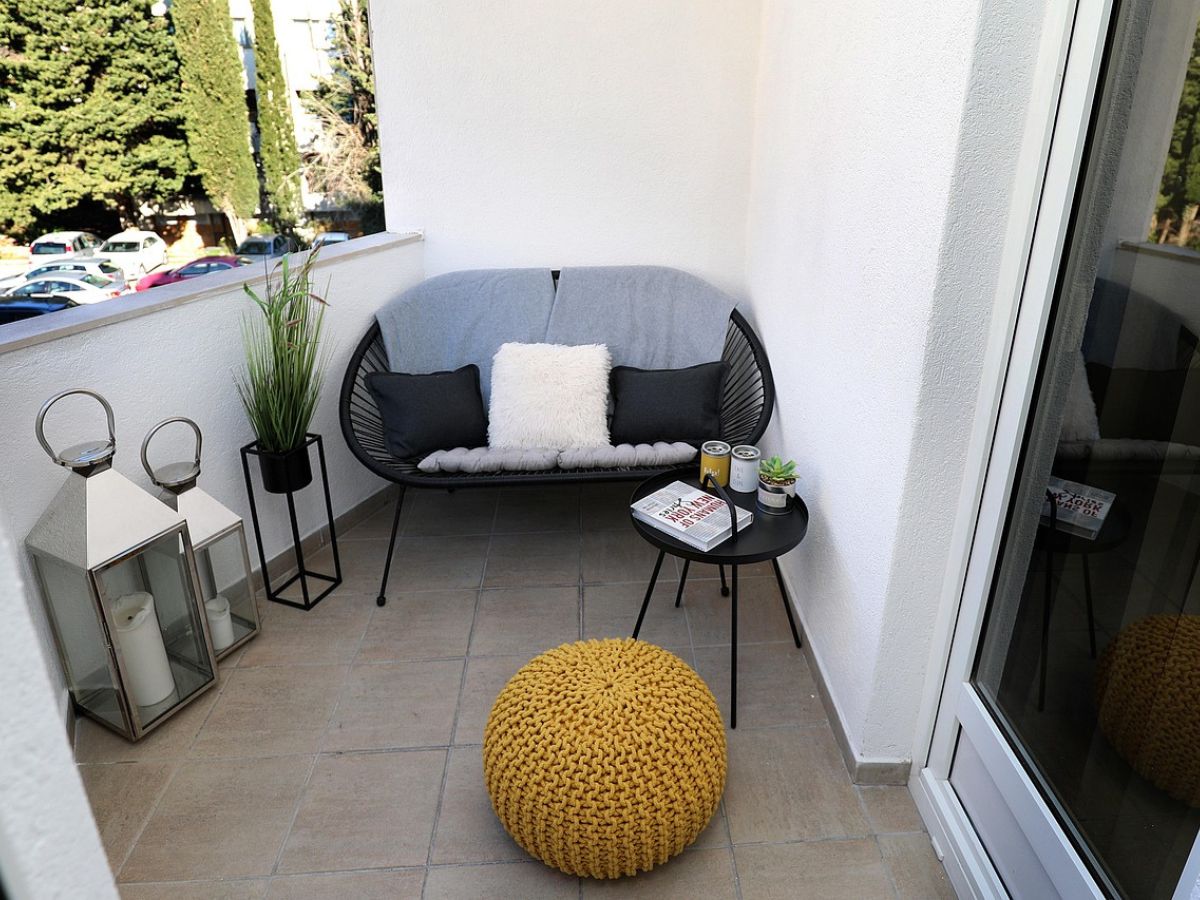
If you have access to a balcony, patio, or yard, treat it as an extension of your living space. Outdoor furniture, potted plants, and proper lighting can create an additional room for relaxing, dining, or working during pleasant weather. Vertical gardens on balconies add greenery without consuming floor space, and folding furniture can be stored when the area isn’t in use.
Living in a small space requires creativity, discipline, and smart planning, but it doesn’t require sacrifice. By implementing these solutions—maximizing vertical space, choosing multifunctional furniture, creating clever storage systems, defining zones, using color and light strategically, maintaining a clutter-free environment, and extending living areas outdoors—you can create a home that feels spacious, functions efficiently, and reflects your personal style.
The constraints of small space living often lead to more intentional, organized, and ultimately more satisfying living environments. Remember that the goal isn’t simply to fit more into less space, but to create a home that truly works for your lifestyle and brings you comfort and joy every day.