Miniature making has become one of the most popular creative crafts in recent years. From tiny furniture and dollhouses to miniature foods and realistic room boxes, the materials you choose can dramatically influence the final look, durability, and realism of each piece.
While skill and technique are important, the foundation of every high-quality miniature lies in selecting the right material for the right purpose. In this article, we will explore the most commonly preferred materials among miniature artists, break down their benefits, and explain how to choose the ideal material for your creations.
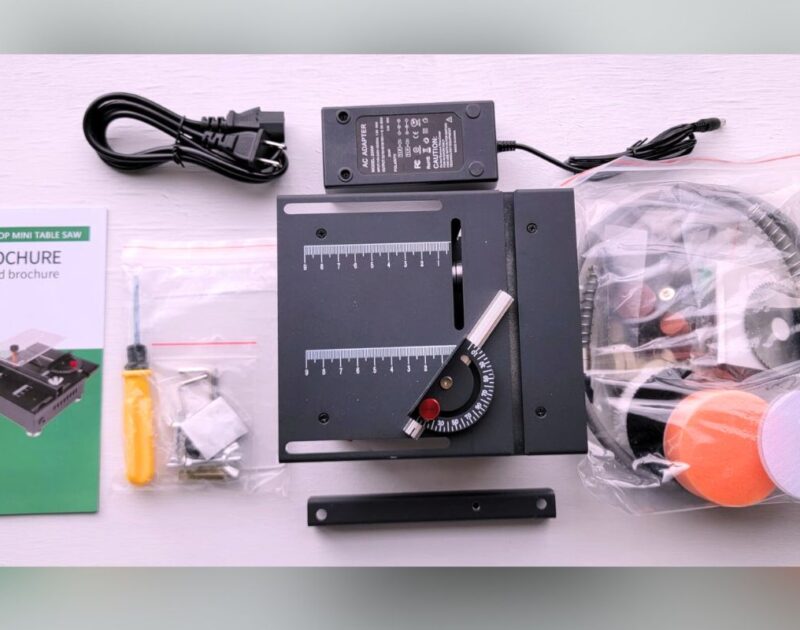
I rely on a set of trusted tools that help achieve professional-looking results in miniature woodworking:
- Sandpaper – to smooth edges and prepare surfaces.
- Transparent brown stain – to bring out the natural beauty of the wood grain.
- Wood oil – to protect and enhance the finish.
- Jeweler’s saw – for delicate and precise cuts.
- Small table saw – to speed up straight cuts.
- 12V mini sander – for quick, clean smoothing.
1. Why Material Choice Matters in Miniature Art
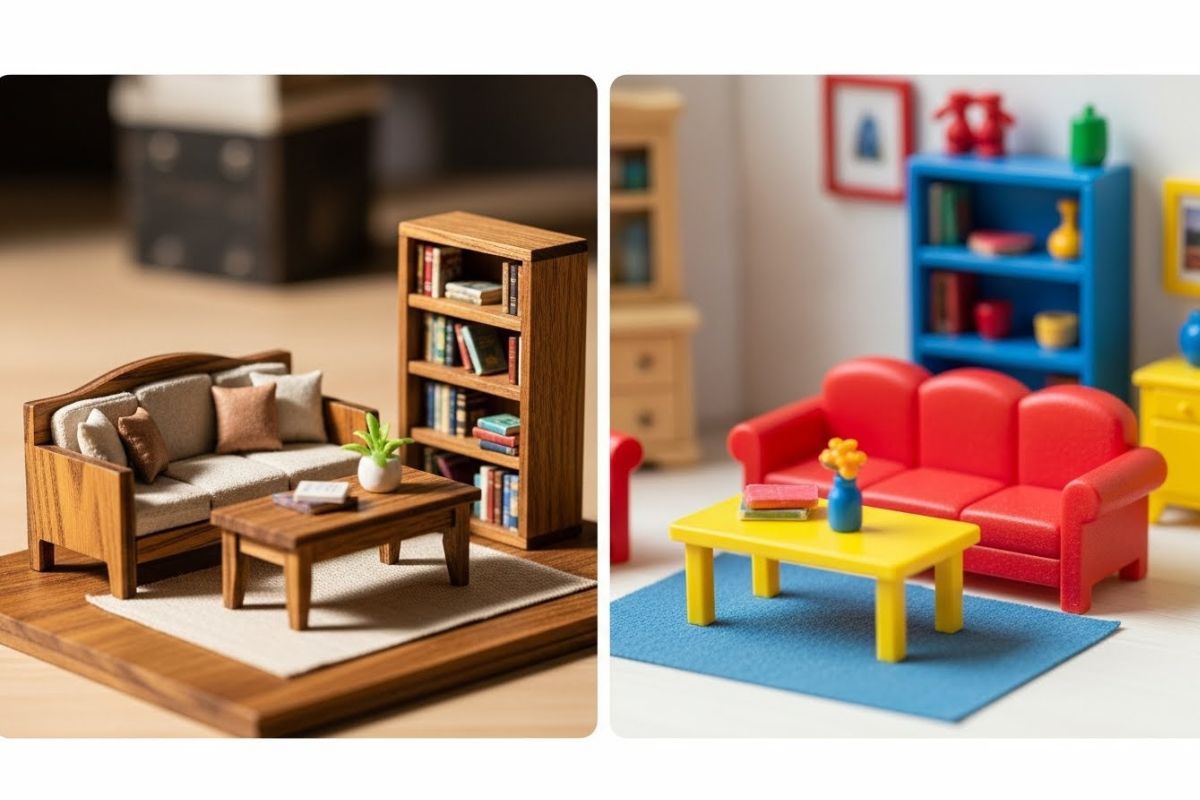
The choice of material determines how detailed your miniature can be, how long it will last, and how easy it is to work with. Some materials, like wood, offer strong structure and natural texture. Others, like polymer clay, allow for tiny, precise sculpting.
Meanwhile, cardboard and foam board are lightweight and perfect for prototypes or quick builds. Understanding how each material behaves helps you work more efficiently and achieve realistic results without unnecessary frustration.
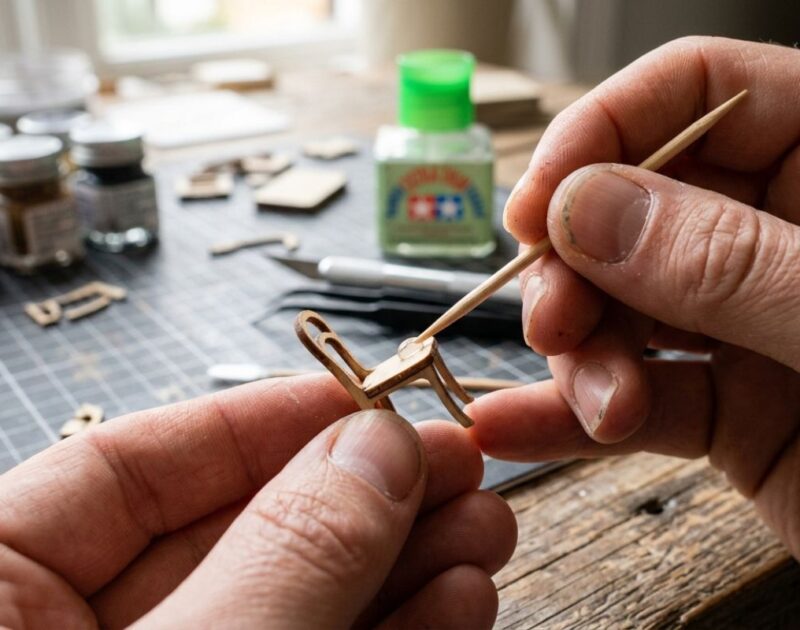
2. Wood: The Classic Foundation of Miniatures
Wood is one of the most beloved materials in miniature making, especially for furniture, flooring, window frames, and decorative pieces.
Popular types of wood include:
- Balsa Wood: Extremely lightweight, easy to cut, and perfect for delicate furniture.
- Basswood: Stronger and smoother than balsa, ideal for furniture that requires durability.
- MDF (Medium Density Fiberboard): Great for structural pieces like walls and floors.
Why miniature artists love wood:
- Natural texture adds realism.
- Easy to paint, stain, or carve.
- Long-lasting and sturdy.
However, wood can sometimes warp if exposed to humidity, and cutting precise tiny pieces requires practice. Still, its versatility makes it a top choice for most miniaturists.
3. Plastic and PVC: Perfect for Precise, Modern Details
Plastic sheets, PVC boards, and even recycled plastic objects play an important role in miniature making. These materials are especially useful when you need:
- Clean, sharp edges
- Smooth surfaces
- Very small components like handles, knobs, or modern furniture elements
Plastic is lightweight, durable, and doesn’t warp or absorb moisture. It is excellent for modern miniature styles where straight lines and sleek finishes are essential. Many artists also repurpose everyday plastic items—pen caps, bottle lids, and packaging materials—to create unique miniature components.
4. Polymer Clay: The King of Miniature Food and Fine Detail
Polymer clay (such as Fimo, Sculpey, or Premo) is the number-one choice for creating miniature foods, decorations, tiny plants, and fine sculpted objects. It remains soft until baked, giving artists the freedom to shape extremely small details before hardening it in the oven.
Why polymer clay is a miniature favorite:
- Wide range of colors
- Excellent control over texture and detail
- Perfect for realistic food, breads, fruits, pastries, and accessories
- Easy to blend, shade, or sculpt
Artists can create textures like wood grain, fabric folds, or skin simply by using brushes, needles, or textured tools. After baking, clay is strong and durable, making it ideal for long-lasting display pieces.
5. Cardboard and Chipboard: Affordable, Versatile, and Beginner-Friendly
Cardboard is a hero material that many miniature artists rely on, especially for structural builds. Both regular cardboard and chipboard (a denser, smoother type of cardboard) are excellent for:
- Walls
- Floors
- Ceilings
- Furniture prototypes
- Shelving units
- Decorative elements
Cardboard is inexpensive, easy to cut, and very lightweight. When layered or reinforced properly, it can be surprisingly strong. Many artists prefer it for early builds or for pieces that won’t carry weight. It can also be covered with paint, paper, fabric, or veneer to look like real wood or stone.
6. Paper and Foam Board: Light, Flexible Materials for Detailed Crafting
Paper might seem too simple, but in miniature work it is incredibly powerful. Artists use various types of paper—cardstock, watercolor paper, craft paper, and textured paper—to add layers, patterns, and realism.
Paper is used for:
- Wallpaper
- Books
- Rugs
- Decorative frames
- Plants
- Tiny packaging and accessories
Foam board, on the other hand, is commonly used for stronger structures such as walls and partitions. It is easy to cut with a sharp blade, lightweight, and resistant to bending. Many artists combine paper and foam board to create clean, professional-looking dollhouse interiors.
7. Natural Materials: Adding Realism Through Texture
Natural materials introduce authenticity and charm that synthetic materials struggle to replicate. Some popular natural materials include:
- Cotton and wool for blankets, upholstery, or tiny pillows
- Jute and raffia for baskets, rugs, or rustic décor
- Dried plants or moss for miniature gardens
- Bamboo or thin sticks for rustic frames or small furniture
These materials offer organic textures that make miniatures look warm, cozy, and realistic. When used carefully, they help transform simple scenes into truly immersive miniature worlds.
8. Recycled Materials: Creativity with Zero Cost
One of the most enjoyable parts of miniature making is discovering useful materials in everyday objects. Many miniaturists love using recycled items because they are free, unique, and often come with interesting shapes.
Common recycled items include:
- Bottle caps
- Buttons
- Beads
- Jewelry scraps
- Small cardboard boxes
- Metal pieces from old electronics
This approach not only saves money but also inspires creative thinking. Many iconic miniature pieces start as something simple like a toothpaste cap or a discarded plastic clip.
9. Paints and Finishing Materials: The Secret Behind Realism
Even the best-constructed miniature needs proper finishing to look realistic. Most artists prefer acrylic paint because it dries quickly, comes in many colors, and is easy to layer. For more professional finishes, shading and dry-brushing techniques help add depth.
Other essential finishing materials include:
- Varnish or sealer to protect the final piece
- Gloss finishes for items like glass or glazed food
- Matte finishes for wood or fabric textures
Good finishing is what transforms simple materials into lifelike miniature masterpieces.
10. How to Choose the Right Material for Each Project
Selecting the ideal material depends on several factors:
- Purpose: Is the piece decorative, functional, or structural?
- Budget: Some materials are more cost-effective than others.
- Skill level: Beginners may prefer cardboard, while advanced artists may enjoy wood or clay.
- Detail level: Fine details require clay or plastic; larger pieces suit wood or foam board.
- Durability: For long-lasting pieces, strong wood or polymer clay is ideal.
The key is experimenting. Miniature making encourages creativity, and learning how different materials behave is part of the fun.
Conclusion: The Magic of Mixing Materials
What makes miniature art unique is the freedom to experiment with countless materials. Each material—whether wood, clay, cardboard, or recycled objects—brings different qualities and possibilities. By mixing materials thoughtfully, artists can build miniature scenes full of life, texture, and personality. The more you explore, the more creative your miniatures become. In the end, the materials you choose are not just tools; they are the true building blocks of imagination.