
The world of miniature furniture has grown from a niche pastime to a thriving craft embraced by hobbyists, designers, and professional model makers alike. As this community expands, so does the demand for specialized tools that offer precision, efficiency, and reliability on a small scale.
| Product | Buy |
|---|---|
| Rapid Wood Glue |

|
| Needle File |
|
| Sandpaper |
|
| Transparent Brown Stain |
|
| Wood Oil |
|
| Jeweler’s Saw |
|
| Small Table Saw |
|
| 12V Mini Drill |
|
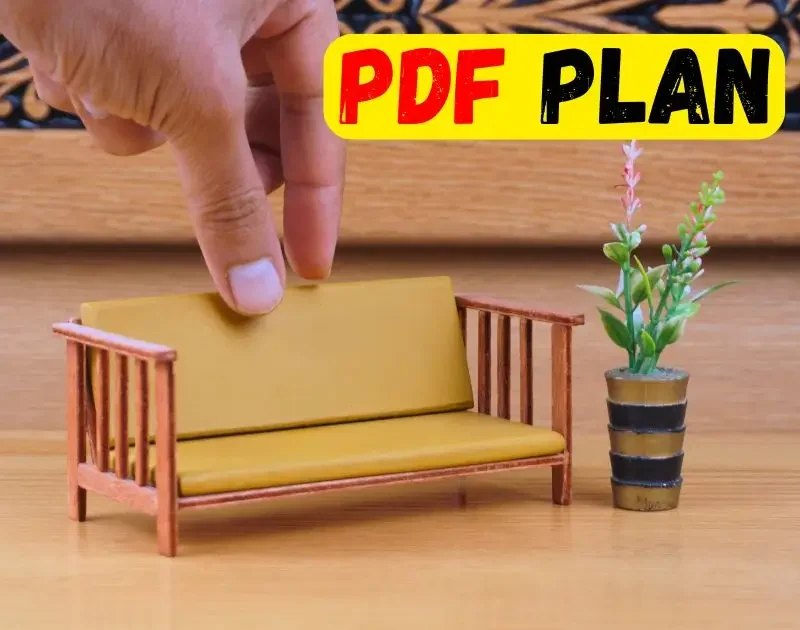
You will also find special sections such as DIY Furniture and PDF Plan, where you can access ready-made furniture projects and downloadable plans to help you build your miniatures with precision and confidence.
Whether you are a beginner or an experienced creator, these resources make cutting, assembling and detailing much easier. The content is well organized and regularly updated, giving you fresh ideas and practical techniques to transform your creative ideas into beautiful, lifelike miniatures.
Among these tools, the mini table saw has emerged as one of the most essential. Compact yet powerful, this tool bridges the gap between traditional woodworking machinery and the delicate requirements of miniature craftsmanship. This article explores what a mini table saw is, why it matters in miniature furniture production, and how hobbyists can choose the right model for their needs.
Definition of the Mini Table Saw
A mini table saw, sometimes referred to as a micro or compact table saw, is a scaled-down version of the full-sized table saw commonly used in carpentry and woodworking. While it operates on the same basic principles—using a circular blade mounted on an arbor to make straight, controlled cuts—it is designed specifically for working with small materials such as thin wood strips, plastic sheets, balsa wood, basswood, and even certain metals. Because miniature furniture often requires extremely precise cuts, the mini table saw’s compact design and fine-tuned components make it an indispensable tool for detail-oriented work.
A Glimpse into the Growing Popularity of Miniature Furniture Crafting
Miniature furniture has become increasingly popular due to the rise of dollhouse collecting, model-making, architectural prototyping, and DIY creative hobbies shared on social media platforms. Makers around the world enjoy the challenge of producing accurate, small-scale replicas of real furniture, often paying close attention to proportion, texture, and authenticity. This surge in interest has sparked a parallel growth in the demand for tools that enable precise craftsmanship. The mini table saw fits naturally into this ecosystem, offering capabilities that manual tools simply cannot match.
Compact Size and Portability
One of the defining advantages of a mini table saw is its compact size. Unlike traditional table saws that require dedicated workshop space, mini table saws can easily sit on a desk, workbench, or even a portable folding table. Their lightweight construction allows hobbyists to transport them between workspaces or store them away when not in use. For those living in small apartments or working in shared environments, this portability is key. The ability to set up and pack away a mini table saw quickly makes it ideal for hobbyists who need flexibility without compromising on accuracy.
Cutting Power and Precision
Despite their small stature, mini table saws offer impressive cutting power and precision. Many models include adjustable fences, miter gauges, and variable speed controls, allowing makers to perform cross-cuts, rip cuts, bevel cuts, and even intricate angled cuts with confidence. The precision of the blade alignment and the fine adjustments possible on these saws make them particularly valuable when crafting miniature furniture, where even a 1-millimeter deviation can affect the final appearance and structural alignment of the piece.
Precision cutting also minimizes material waste—a significant advantage when working with high-quality woods often used in miniature projects. Accurate cuts ensure that each piece fits seamlessly with others, contributing to a professional finish and overall aesthetic harmony.
Maintaining Dimension Consistency
In miniature furniture making, consistency is everything. Whether producing multiple legs for a chair, identical slats for a miniature bed frame, or repeated trim details, achieving uniform dimensions with hand tools alone can be time-consuming and error-prone. A mini table saw allows crafters to set precise measurements and repeat cuts quickly and reliably.
This ability to maintain consistency not only improves the structural integrity of miniature pieces but also elevates the craftsmanship from a hobbyist level to something closer to fine woodworking. The repeatability of cuts is particularly beneficial for those producing items for sale, where consistency reflects directly on the quality and professionalism of the final product.
Speeding Up Production Compared to Hand Tools
Another significant advantage is efficiency. While traditional handheld saws, knives, and cutting tools have their place, they can be slow and require considerable manual dexterity. A mini table saw can accomplish in seconds what might take minutes—or longer—with manual tools. This accelerated workflow is especially valuable when producing multiple pieces or when working on commission-based projects with strict timelines.
The increased speed does not come at the expense of accuracy. Instead, it allows craftsmen to devote more time to assembly, finishing, and detailing, ultimately improving overall productivity and creative satisfaction.
Criteria for Choosing the Right Mini Table Saw
When investing in a mini table saw, hobbyists and designers should consider several important factors to ensure the tool meets their needs:
Motor Power
Motor strength influences both the types of materials the saw can handle and the smoothness of the cut. For miniature furniture, a saw with adequate torque is essential to prevent stalling or burning the wood during cuts. While high-powered motors are not always necessary, choosing a saw with reliable performance ensures clean, consistent results—especially when cutting dense hardwoods used for premium miniature pieces.
Safety Features
Even though mini table saws are smaller than their full-sized counterparts, safety remains a top priority. Key features to look for include:
- Blade guards
- Emergency stop switches
- Anti-kickback mechanisms
- Non-slip bases
- Proper ventilation and dust control
These elements reduce the risk of accidents and create a more controlled and comfortable workspace. For beginners, models with enhanced safety features offer added confidence when learning to operate the tool.
Price Versus Quality
Mini table saws vary widely in price, from budget models aimed at beginners to professional-grade units designed for highly detailed work. While affordability matters, quality should not be sacrificed. Cheaper models may lack stability, precision, or durability, which can lead to inconsistent cuts and frustration. Hobbyists should aim for a balanced choice—one that fits their budget but also delivers reliable performance, solid construction, and quality components. Investing in a reputable brand often pays off in the long run through better results and longer tool life.
Safety Precautions
Regardless of the model chosen, following safety precautions is crucial. Users should wear eye protection, secure loose clothing, tie back long hair, and maintain a clutter-free workspace. Keeping hands a safe distance from the blade, using push sticks for narrow cuts, and ensuring the saw is powered off before making adjustments are all standard practices that prevent accidents. Regular maintenance, such as cleaning the blade and checking alignment, also helps keep the saw in optimal condition.
Encouraging Hobbyists and Designers to Make It an Essential Tool
Given its many advantages—precision, efficiency, consistency, and portability—the mini table saw deserves a place in every miniature furniture maker’s toolkit. For beginners, it opens the door to more ambitious and refined projects. For experienced designers, it enhances productivity and professional finish. As the miniature crafting community continues to expand, the mini table saw stands out as one of the most valuable investments a hobbyist can make.