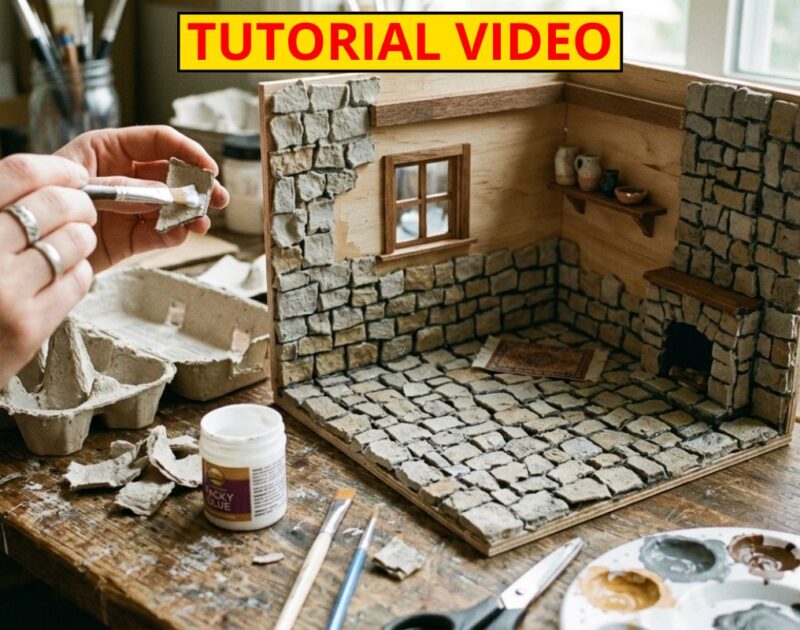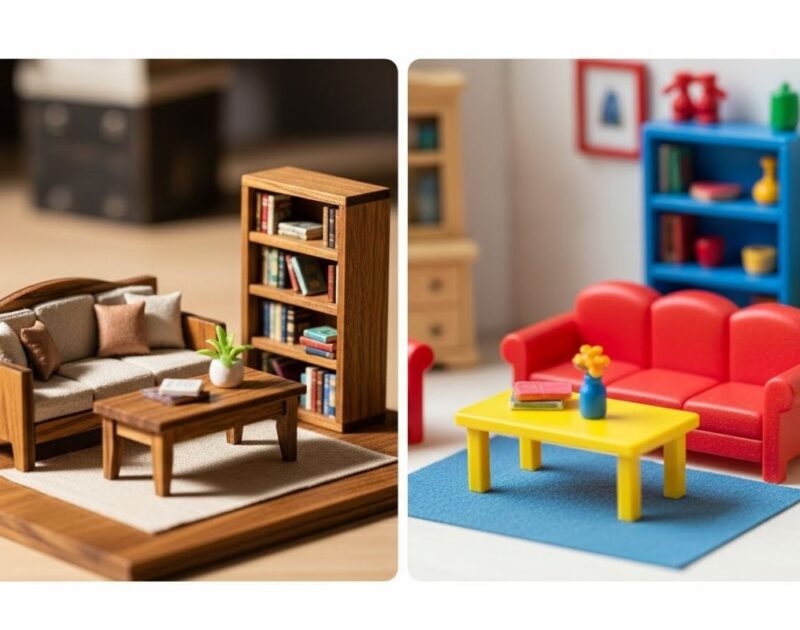

In an era dominated by instant gratification and digital distractions, parents and educators face an increasingly challenging task: helping children develop sustained attention spans and the virtue of patience. While countless programs and interventions promise to address these concerns, a surprisingly effective solution lies in an activity that has captivated humans for centuries—working with miniatures. Whether through building tiny models, painting small figurines, or arranging dollhouse furniture, miniature-based activities offer children a unique pathway to cultivating essential life skills that extend far beyond the craft table.
The Psychology Behind Miniatures and Child Development
Miniatures possess an inherent appeal that transcends age barriers. For children, these tiny objects represent entire worlds compressed into manageable, controllable spaces. This scale reduction creates a psychological environment where children feel empowered and in command, which paradoxically requires them to slow down and pay careful attention to detail. The act of manipulating small objects demands precision, steadiness, and deliberate movements—all qualities that directly counter the impulsive, fast-paced behaviors that characterize much of modern childhood.
Research in developmental psychology suggests that activities requiring fine motor control naturally encourage children to regulate their attention. When a child attempts to paint a miniature soldier’s face or glue together tiny model airplane parts, they must enter a state of focused concentration. The physical constraints of working small mean that rushing leads to immediate, visible mistakes—a bent piece, smeared paint, or misaligned components. This direct feedback loop teaches children the value of patience in a concrete, experiential way that lectures and rules cannot replicate.
Building Focus Through Progressive Challenge
One of miniatures’ greatest strengths as developmental tools is their inherent scalability. Children can begin with simpler projects featuring larger pieces and progress toward increasingly complex and detailed work. This graduated challenge system naturally extends attention spans over time. A child who starts by assembling a basic miniature car with ten pieces might, months later, tackle a sophisticated model with hundreds of components, spending hours across multiple sessions to complete the project.
This progression mirrors the way athletes build endurance or musicians develop technique—through consistent practice with gradually increasing demands. Unlike video games or apps that provide immediate rewards with minimal effort, miniature work requires sustained engagement before results emerge. A half-painted figurine or partially assembled model serves as a physical reminder of work in progress, encouraging children to return and continue their efforts rather than abandoning projects when initial enthusiasm wanes.
The delayed gratification inherent in miniature work teaches children that worthwhile achievements often require extended effort. When a child finally completes a challenging miniature project, the sense of accomplishment runs deep because they’ve invested genuine time and effort. This experience builds what psychologists call “grit”—the ability to persevere toward long-term goals despite obstacles and setbacks.
Patience Through Precision and Problem-Solving
Working with miniatures naturally cultivates patience through the constant need for precision. Painting fine details on a tiny surface cannot be rushed. Gluing delicate pieces together requires waiting for adhesives to dry properly. Following multi-step instructions demands careful reading and sequential thinking. Each of these activities teaches children that quality results require time and careful attention.
Moreover, miniature projects frequently present unexpected challenges. A piece might not fit as anticipated, colors might need mixing to achieve the desired shade, or a technique might require multiple attempts to master. These obstacles, rather than being frustrations to avoid, become valuable learning opportunities. Children discover that patience isn’t merely passive waiting—it’s an active process of problem-solving, adapting strategies, and persisting through difficulties.
The three-dimensional puzzle aspect of many miniature activities also develops spatial reasoning and planning skills. Before gluing pieces together, children must visualize how components fit in relation to one another. This mental rehearsal slows impulsive action and encourages thoughtful consideration—cognitive habits that transfer to other areas of life, from academic work to social interactions.
Creating Mindful Moments in a Distracted World
Perhaps most importantly, working with miniatures creates natural opportunities for mindfulness—the practice of being fully present and engaged with the current moment. When a child focuses on painting tiny details or carefully positioning miniature furniture, they enter a state psychologists call “flow,” where time seems to pass differently and external distractions fade away. This experience of deep absorption provides relief from the constant stimulation and fragmented attention that characterize much of contemporary childhood.
These mindful moments serve as a counterbalance to screen time and overscheduled activities. The tactile, hands-on nature of miniature work engages multiple senses simultaneously, creating a rich sensory experience that purely digital activities cannot replicate. Children touch different textures, smell paints and glues, visually track fine details, and experience the physical satisfaction of creating something tangible.
Social and Emotional Benefits
Beyond focus and patience, miniature activities offer additional developmental benefits that support these core skills. Many children work on miniature projects alongside parents, siblings, or friends, creating shared experiences that strengthen relationships. Collaborative miniature building teaches children to coordinate efforts, respect others’ work pace, and appreciate different approaches to problem-solving.
The sense of mastery children gain from completing miniature projects also builds confidence and self-efficacy. Unlike activities where success depends heavily on innate talent or physical attributes, miniature work rewards careful effort and persistence—qualities that any child can develop. This democratic accessibility makes miniature activities particularly valuable for children who struggle in competitive environments or traditional academic settings.
Practical Implementation for Parents and Educators
Introducing children to miniature work doesn’t require expensive materials or specialized expertise. Simple activities like decorating miniature dollhouse rooms, building small LEGO constructions with specific design goals, or painting basic miniature figures can provide entry points. The key is selecting age-appropriate projects that challenge without overwhelming, and creating supportive environments where mistakes are treated as learning opportunities rather than failures.
Parents and educators should resist the urge to rush children through projects or complete work for them when progress seems slow. The developmental benefits emerge precisely from children wrestling with challenges and discovering solutions through patient effort. Adults can offer guidance and encouragement while allowing children ownership of their creative process.
Conclusion
In a world that increasingly prioritizes speed and immediate results, miniature activities offer children a valuable counternarrative. Through the patient, focused work of creating tiny worlds and detailed objects, children develop concentration abilities and patience that serve them throughout life. These skills transfer far beyond the craft table, supporting academic achievement, emotional regulation, and the capacity for deep engagement with complex challenges.
Miniatures succeed as developmental tools not through sophisticated pedagogy or technological innovation, but through the timeless human satisfaction of creating something beautiful and meaningful through careful, sustained effort. In teaching children to work small, we help them think big about what they can achieve through focus, patience, and dedication.